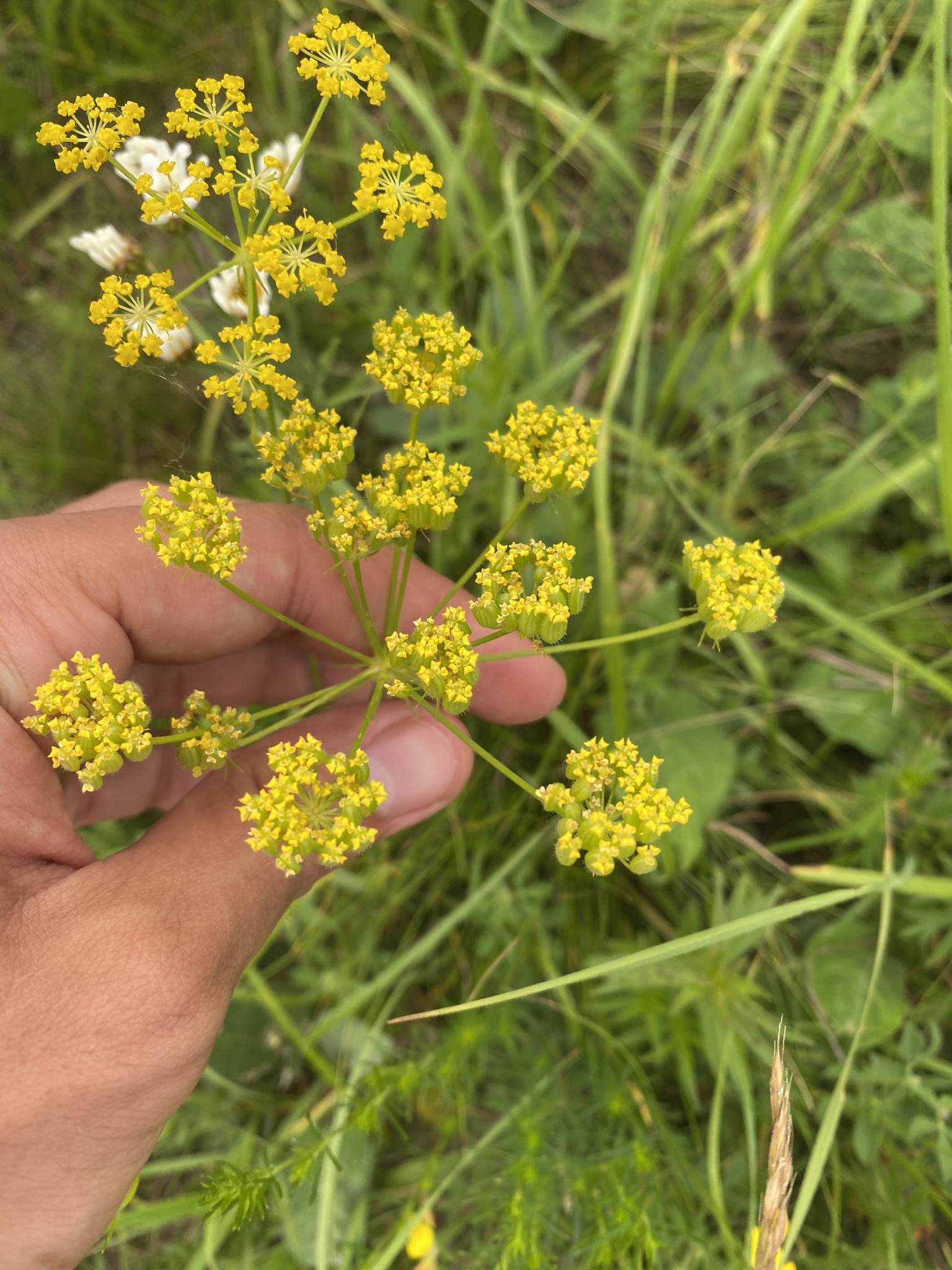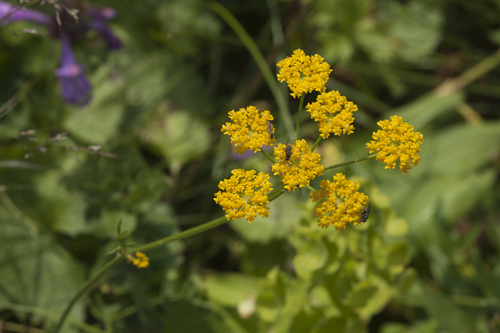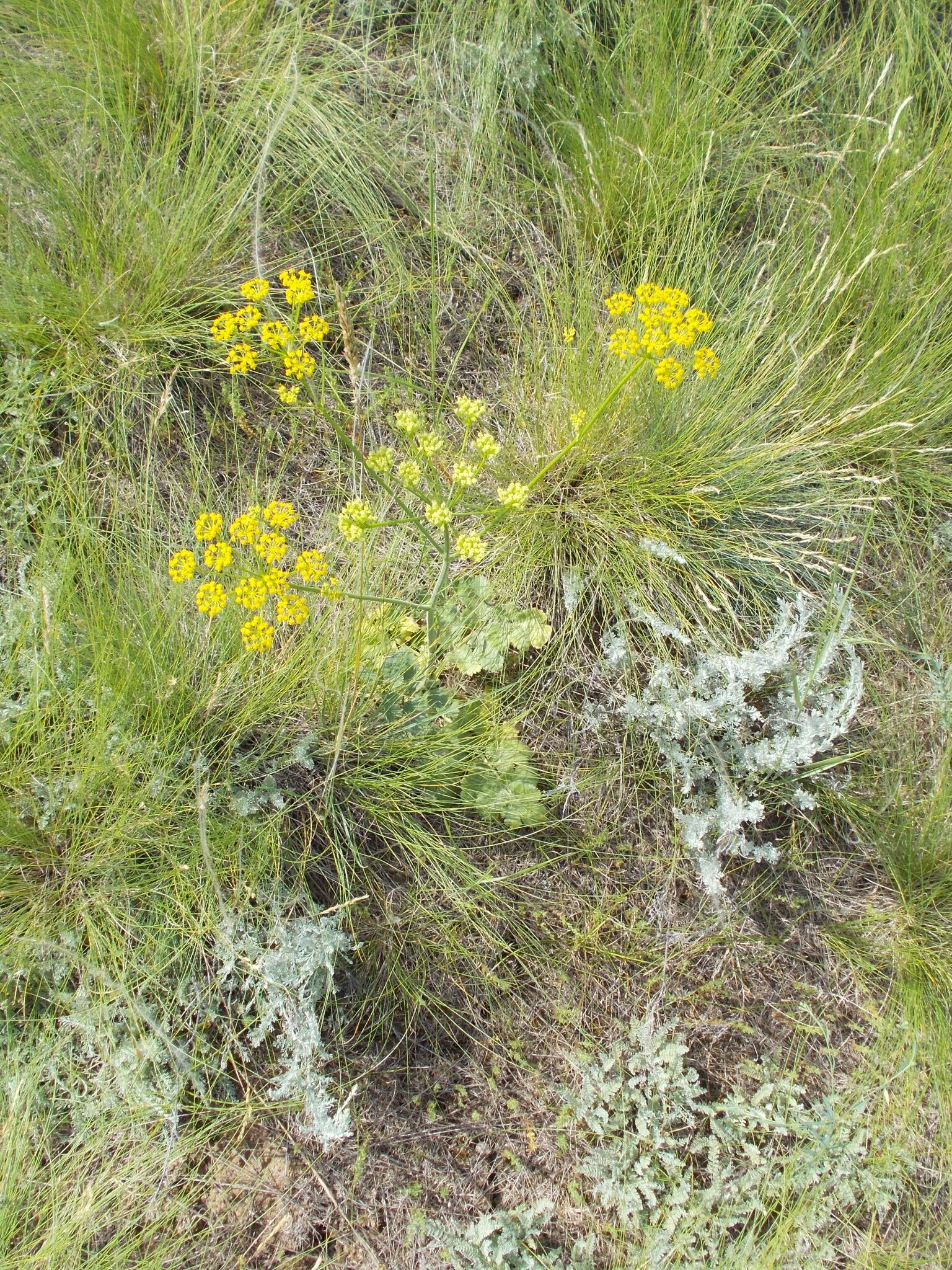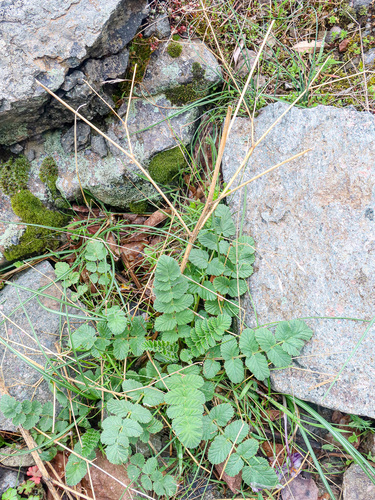
Pastinaca sativa is a biennial herb with a taproot, known for its edible root and yellow flowers. It can become an invasive weed.
Above information is sourced from Wikipedia
Sunlight
Prefers full sun to partial shade.
Watering
Keep soil consistently moist, but avoid waterlogging.
Soil
Prefers well-drained, fertile loam or sandy soil. Tolerates a range of soil types but avoids heavy clay.
Temperature
Grows best in cool to moderate temperatures.
Habitat
Outdoor
Fertilizer
Benefits from fertile soil and occasional feeding.
Prefers full sun to partial shade.
Adequate sunlight promotes better growth and flowering.
Keep soil consistently moist, but avoid waterlogging.
Water more frequently during dry spells.
Prefers well-drained, fertile loam or sandy soil. Tolerates a range of soil types but avoids heavy clay.
Grows best in cool to moderate temperatures.
Ideal range is 15-20 °C.
Outdoor
Benefits from fertile soil and occasional feeding.
Apply balanced fertilizer in spring if needed.
Plant Type
Herb
Plant Category
Vegetable
Plant Place Type
Ground
Plant Environment
Outdoor
Lifespan
Biennials
Plant Height
0.6-1.5 m
Spread
0.3-0.6 m
Growth Rate
Moderate
Leaf Color
Green
Leaf Type
Compound
Flower Size
1-2 cm
Weed Status
Yes
Toxic for humans
Yes
Rating: 5/5
Toxic for pets
No
Rating: 0/5
Edible
Yes
Contact dermatitis from sap, which causes phytophotodermatitis when exposed to sunlight.