Water
Indiangrass prefers moderate moisture. Water regularly during the establishment phase.
Once established, it is quite drought-tolerant and benefits from deep watering only during prolonged dry periods to encourage robust root development.
Also known as Bushy Bluestem · Indian Grass · Indian Woodgrass
Indiangrass (Sorghastrum nutans) is a tall, warm-season native grass valued for its striking golden seed heads, ecological benefits, and ornamental appeal in landscapes.
At-a-glance light, water, soil, and growing conditions from plant data
Full Sun
100% intensity
Prefers at least 6-8 hours of direct sunlight per day for optimal growth and flowering.
Drought Tolerant Once Established
25% intensity
Water young plants regularly. Established plants need minimal supplemental watering, only during extended dry spells.
Loam, Sandy, Clay, Well-drained
50% intensity
Moderate to High
75% intensity
Thrives in warm to hot temperatures, typical of its native prairie environment. It is cold-hardy once established.
Low Requirement
25% intensity
Requires minimal fertilization. If necessary, a light application of balanced fertilizer in spring is sufficient.
Safety information from plant toxicity data
| Attribute | Value |
|---|---|
| Toxic for humans | No 0/5 intensity |
| Toxic for pets | No 0/5 intensity |
Non-toxic
Key traits and growing stats from plant data
Watering, pruning, propagation, and repotting details from plant data
Indiangrass prefers moderate moisture. Water regularly during the establishment phase.
Once established, it is quite drought-tolerant and benefits from deep watering only during prolonged dry periods to encourage robust root development.
Prune Indiangrass in late winter or early spring before new growth emerges. Cut back the old, dead foliage to about 10-15 cm from the ground.
This tidies the plant and stimulates healthy new growth, while also providing habitat for overwintering insects.
Indiangrass is primarily propagated by seed or division. Seeds can be sown in early spring, either directly outdoors or started indoors.
Division of established clumps is best done in early spring or fall, separating healthy portions with roots and shoots.
Repotting is generally not necessary for Indiangrass as it is a perennial grass. If propagation is done by division, the divided sections are essentially being 're-potted' into their new locations, establishing new root systems.
Identify plants like this with ePlant AI
Snap a photo to get care tips and match similar species on the go.
Monthly activity intensity for bloom and fruit across both hemispheres.
Flowering & fruiting calendar
Flowering & fruiting calendar
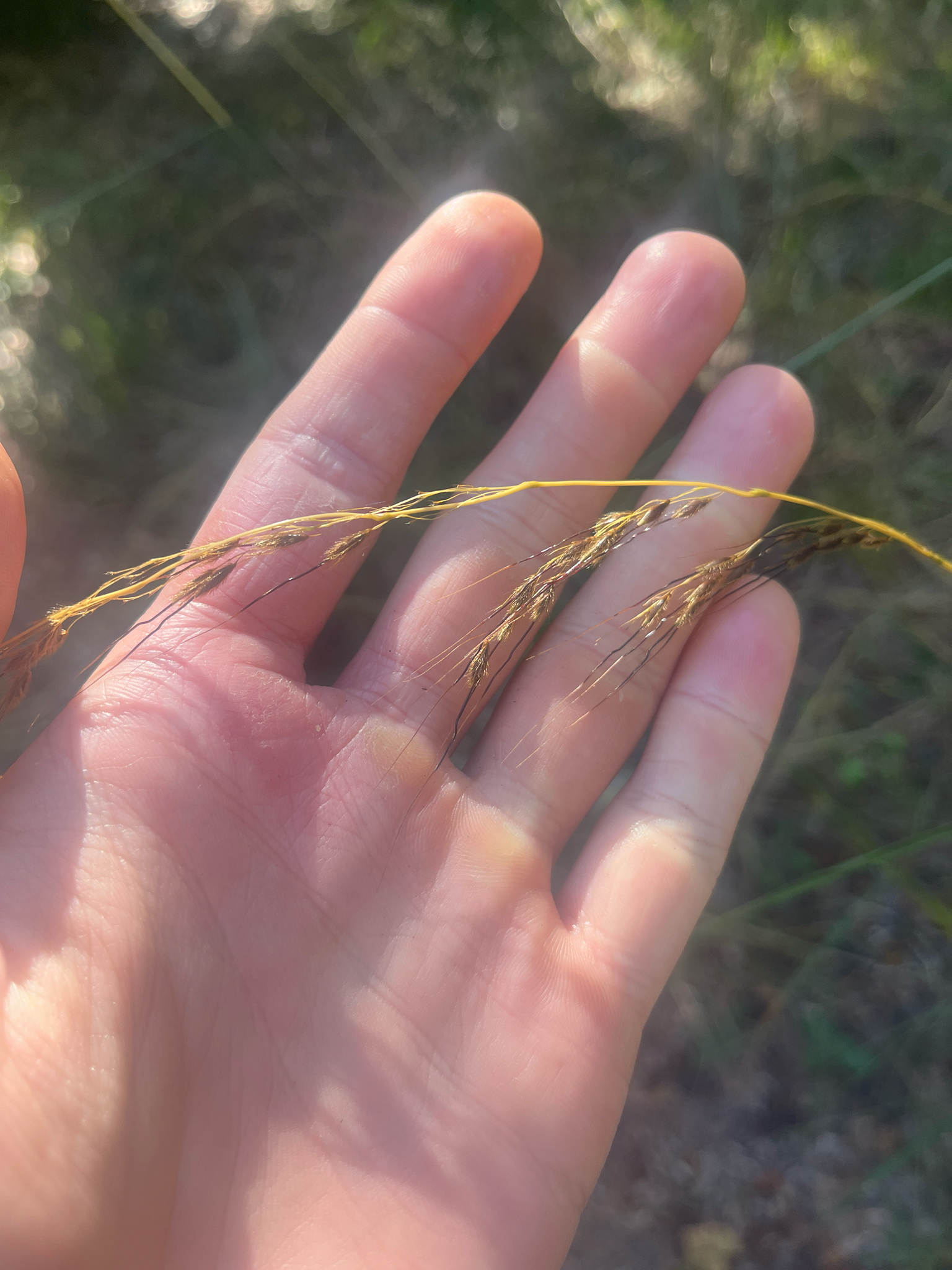
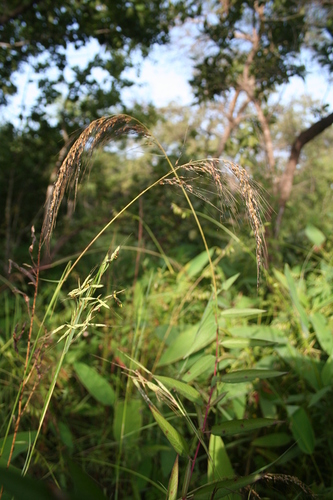
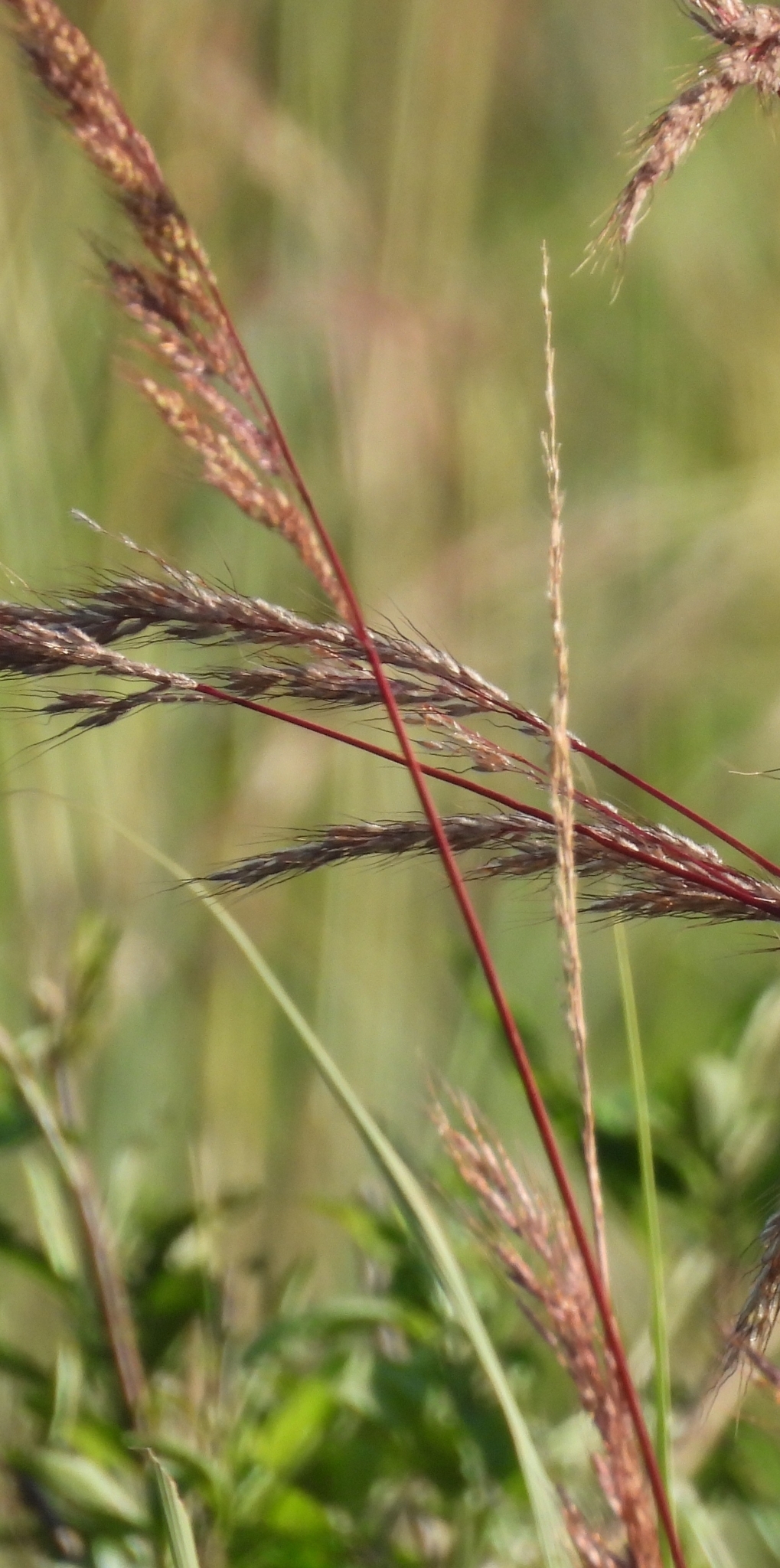
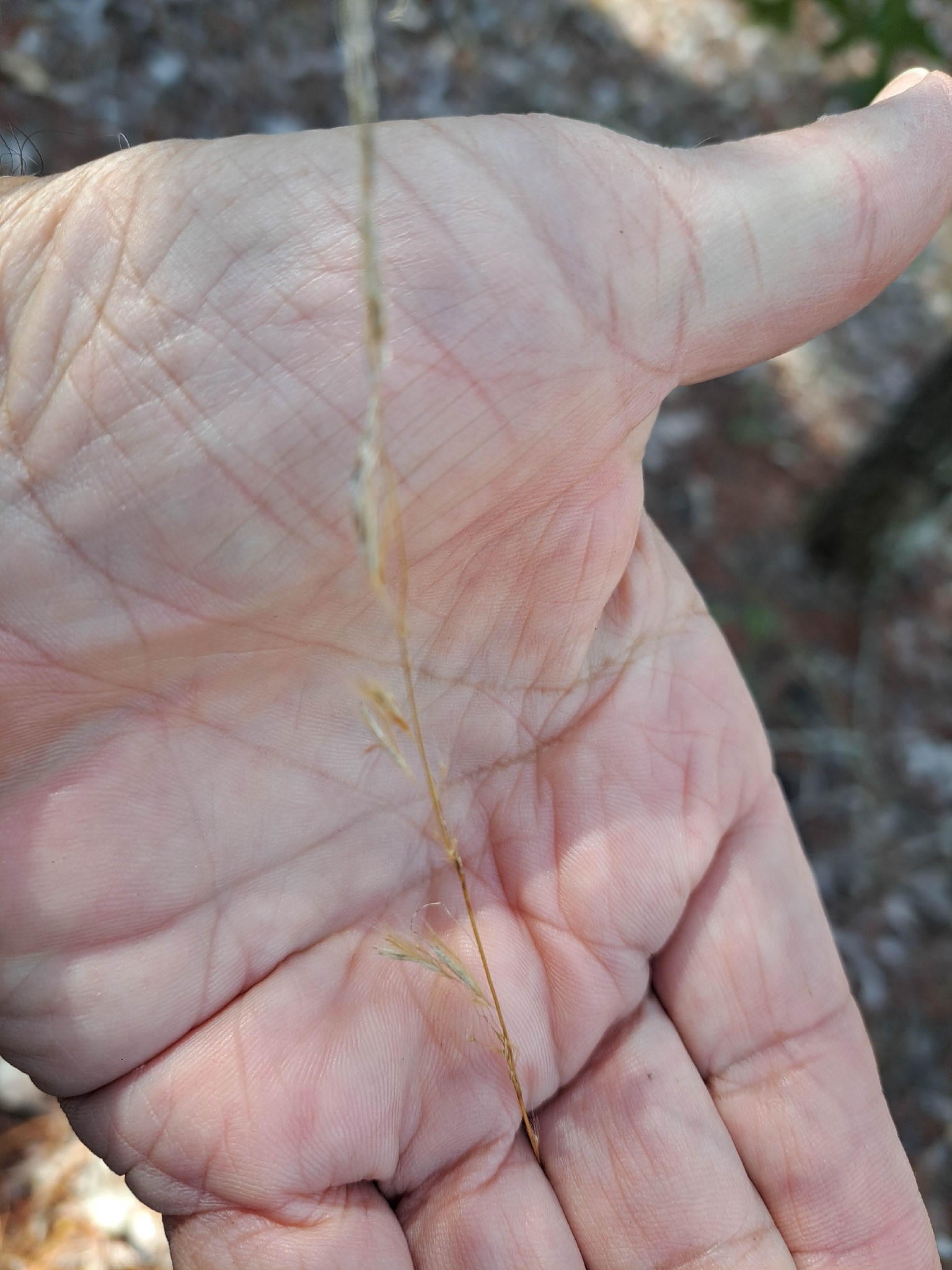
Photos of Indiangrass (Sorghastrum nutans)
Where Indiangrass (Sorghastrum nutans) is found

Density
Tap map to explore
Common names and botanical synonyms
Botanical classification
| Rank | Name |
|---|---|
| Kingdom | Plantae |
| Division | Tracheophyta |
| Class | Liliopsida |
| Order | Poales |
| Family | Poaceae |
| Genus | Sorghastrum |
| Species | Sorghastrum nutans |
Similar in genus Sorghastrum
Answers based on plant encyclopedia data