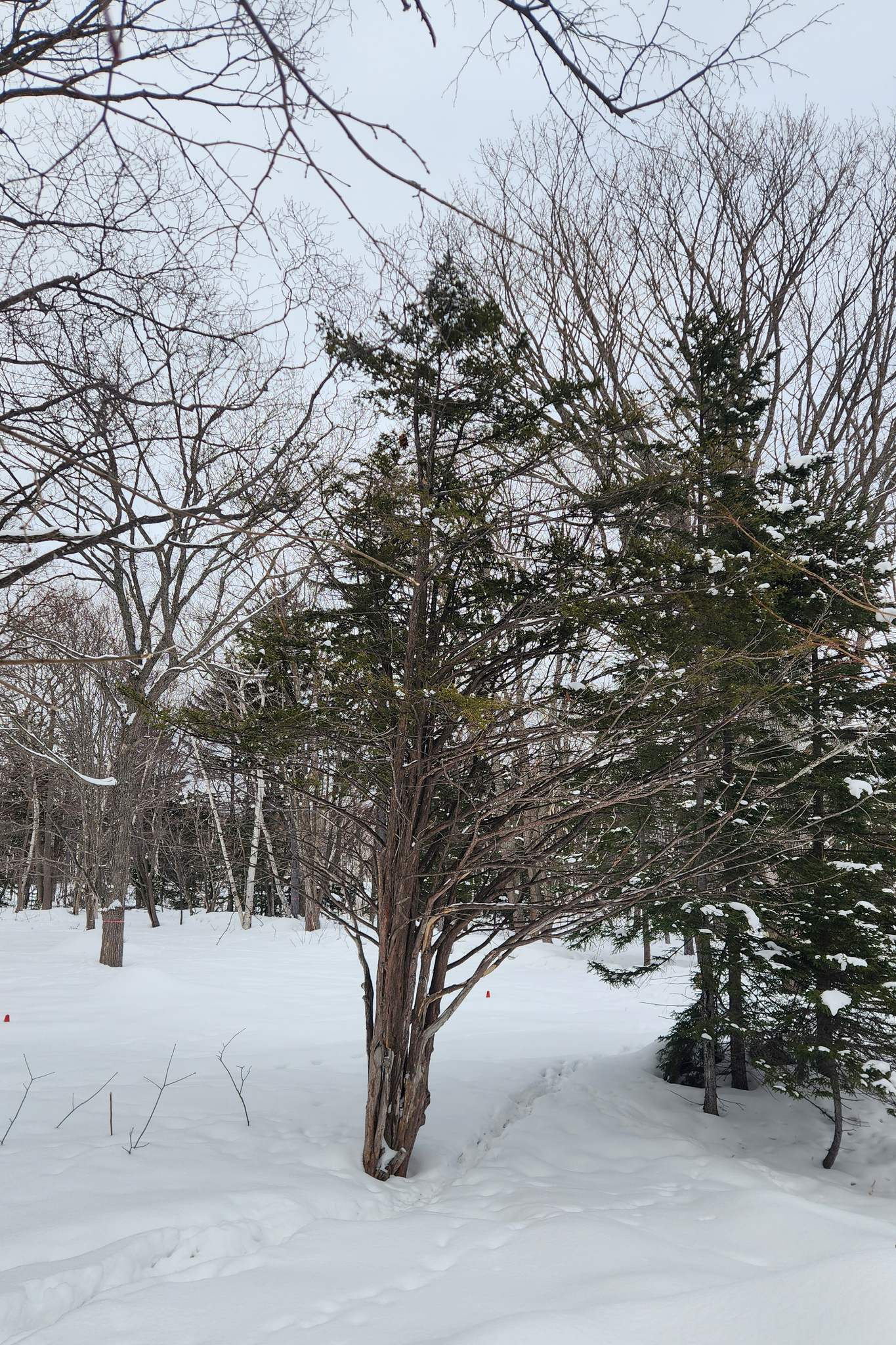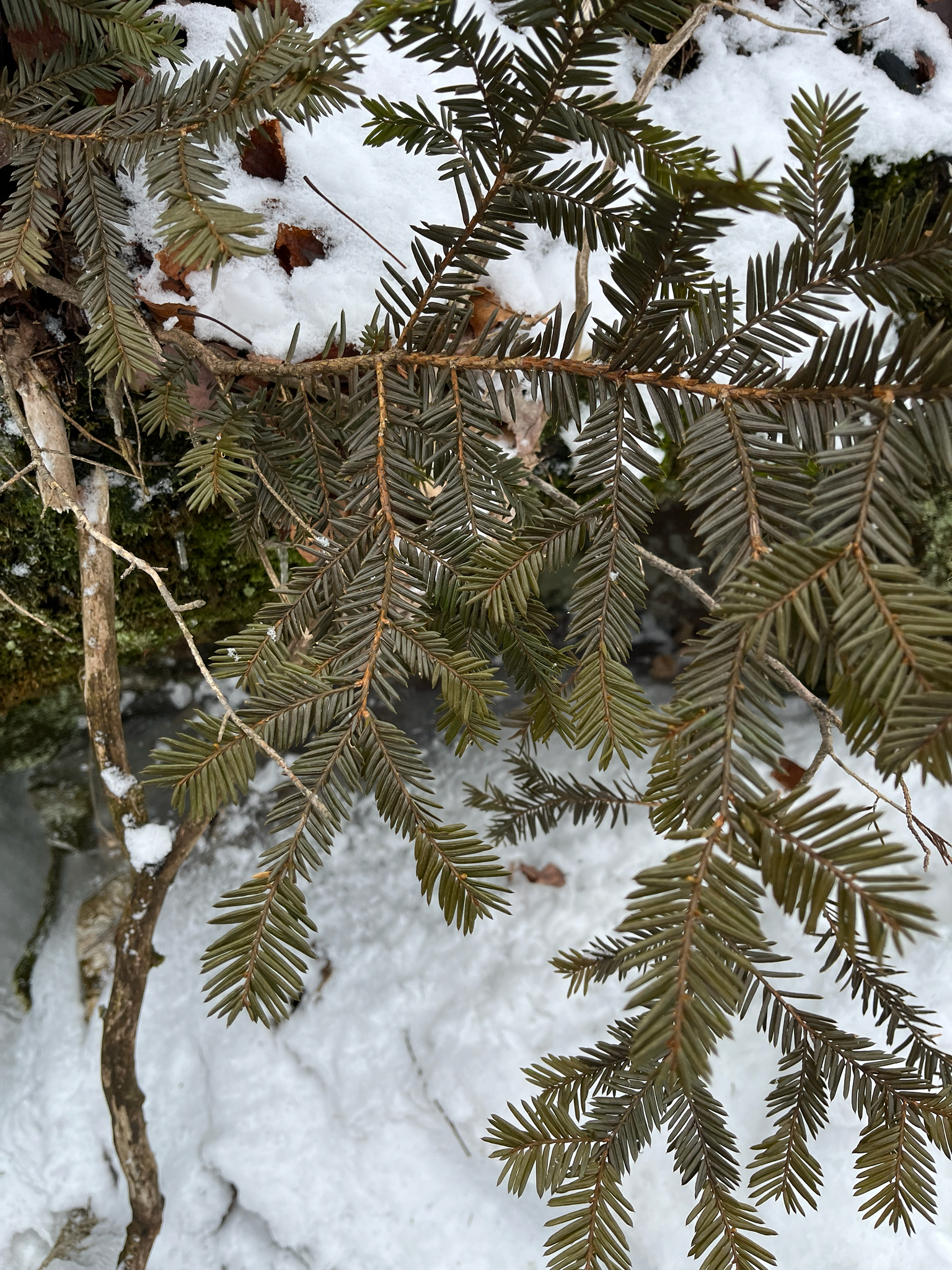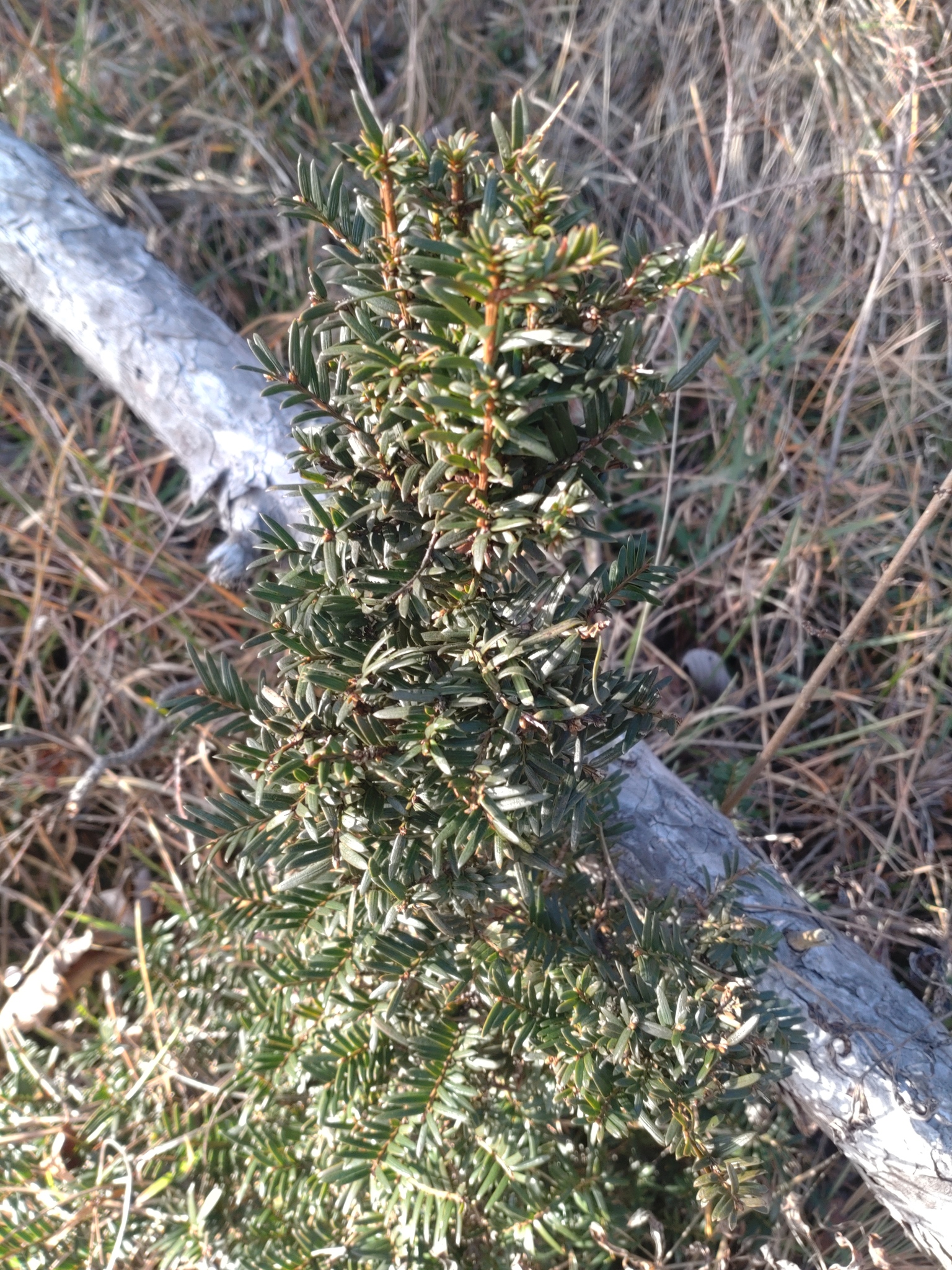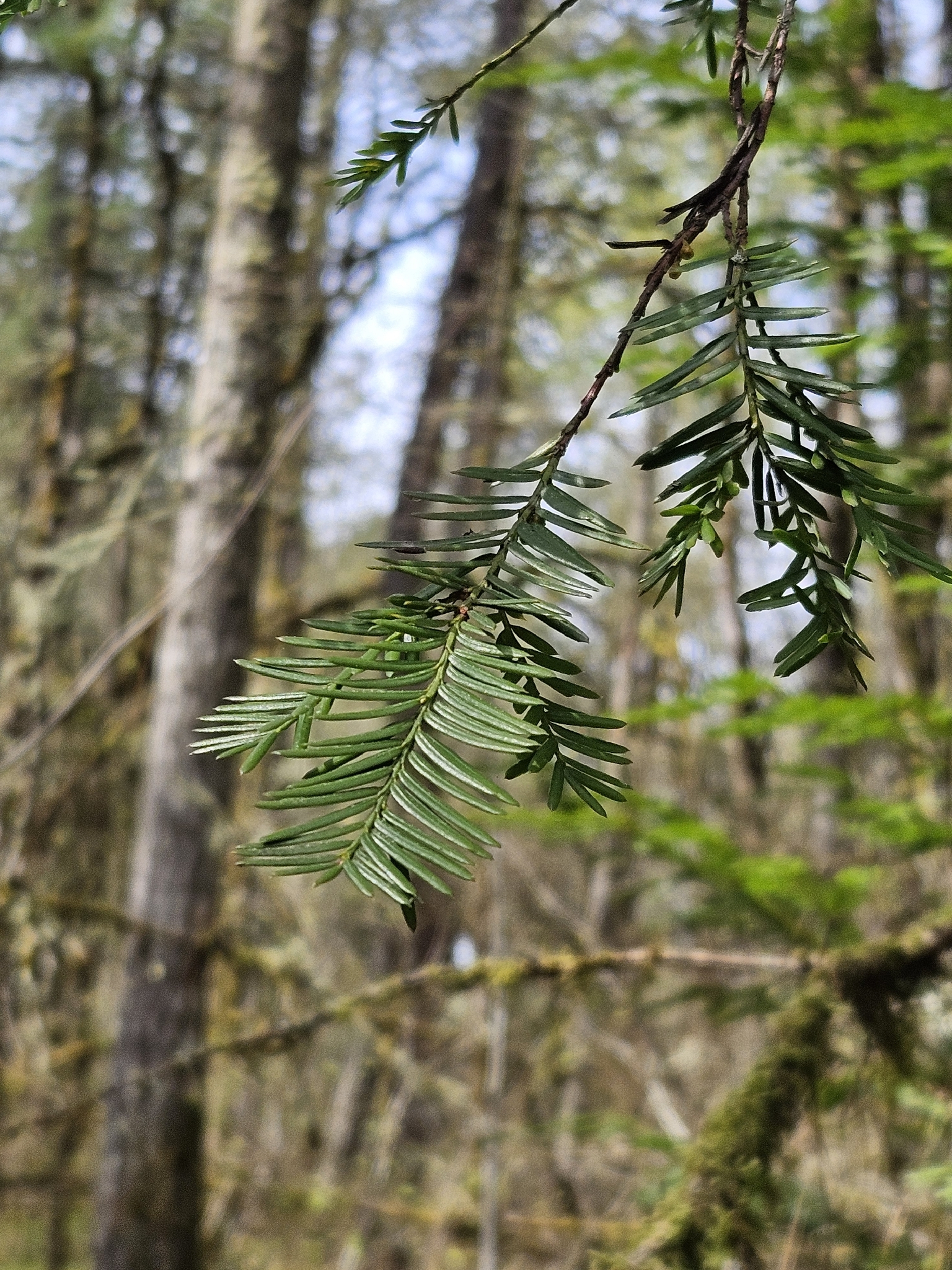
European Yew (Taxus baccata) is a long-lived, evergreen conifer with dense, dark green foliage. Valued for hedging and topiary, all parts (except the red aril) are highly
Above information is sourced from Wikipedia
Sunlight
Highly adaptable, thrives in full sun to deep shade.
Watering
Keep soil moist but well-drained, especially when young. Established plants are drought-tolerant.
Soil
Well-drained, fertile, neutral to alkaline
Temperature
Very hardy, tolerating a wide range from -20°C to 30°C.
Habitat
Outdoor
Fertilizer
Generally low fertilization needs. Apply balanced slow-release in early spring if necessary.
Highly adaptable, thrives in full sun to deep shade.
Keep soil moist but well-drained, especially when young. Established plants are drought-tolerant.
Well-drained, fertile, neutral to alkaline
Very hardy, tolerating a wide range from -20°C to 30°C.
Outdoor
Generally low fertilization needs. Apply balanced slow-release in early spring if necessary.
Plant Type
Tree, Shrub
Plant Category
Ornamental
Plant Place Type
Ground, Garden
Plant Environment
Outdoor
Lifespan
Perennials
Plant Height
10-20 m
Spread
4-10 m
Growth Rate
Slow
Dormancy
Winter
Leaf Color
Dark Green
Leaf Type
Needle-like
Flower Size
2-4 mm
Optimal Sunlight Lux
60000
Toxic for humans
Yes
Rating: 9/5
Toxic for pets
Yes
Rating: 9/5
Edible
No
All parts of the plant, especially the seeds and foliage, contain highly toxic taxine alkaloids. The fleshy red aril is an exception, but the seed within it is toxic.