Riego
Riegue moderadamente durante la temporada de crecimiento, reduciendo en invierno. Permita que el suelo se seque entre riegos para evitar el encharcamiento, ya que es susceptible a la pudrición de raíces.
También conocido como Aloe Yucca · Daggerplant · Impressed Tropical Sourced By Coca-Cola Amatil Limited (alright)
Espada de San Pedro (Yucca aloifolia) es una planta perenne de hoja perenne con hojas rígidas y puntiagudas, nativa del sureste de Estados Unidos y el Caribe.
A simple vista: luz, riego, suelo y condiciones de cultivo según los datos de la planta
Pleno sol a sombra parcial.
100% intensidad
Prefiere sol directo.
Riego moderado, permitir que el suelo se seque entre riegos.
100% intensidad
Reducir en invierno.
Bien drenado. Prefiere suelos arenosos o francos, tolera suelos pobres.
50% intensidad
Ideal entre 18-27 °C.
100% intensidad
Tolera calor y sequía.
Baja a moderada.
100% intensidad
Tolera condiciones secas.
Fertilizar anualmente en primavera con un fertilizante balanceado.
100% intensidad
Evitar la sobre-fertilización.
Información de seguridad a partir de los datos de toxicidad de la planta
| Atributo | Valor |
|---|---|
| Tóxica para humanos | No 0/5 intensidad |
| Tóxica para mascotas | No 0/5 intensidad |
Saponins in leaves and fruit can cause nausea, vomiting, and diarrhea if ingested. Sap can cause skin irritation.
Rasgos clave y estadísticas de cultivo a partir de los datos de la planta
Detalles de riego, poda, propagación y trasplante a partir de los datos de la planta
Riegue moderadamente durante la temporada de crecimiento, reduciendo en invierno. Permita que el suelo se seque entre riegos para evitar el encharcamiento, ya que es susceptible a la pudrición de raíces.
Pode para eliminar hojas muertas o dañadas y para controlar el tamaño si es necesario. La poda se realiza mejor después de la floración.
Se propaga fácilmente por esquejes de tallo o por retoños de raíz. Los esquejes deben dejarse secar antes de plantarlos.
Las plantas en maceta rara vez necesitan ser trasplantadas. Si es necesario, trasplante a una maceta ligeramente más grande en primavera, asegurando un buen drenaje.
Identifica plantas como esta con ePlant AI
Saca una foto para obtener consejos de cuidado y encontrar especies similares sobre la marcha.
Intensidad mensual de la actividad para flor y fruto en ambos hemisferios.
Calendario de floración y fructificación
Calendario de floración y fructificación
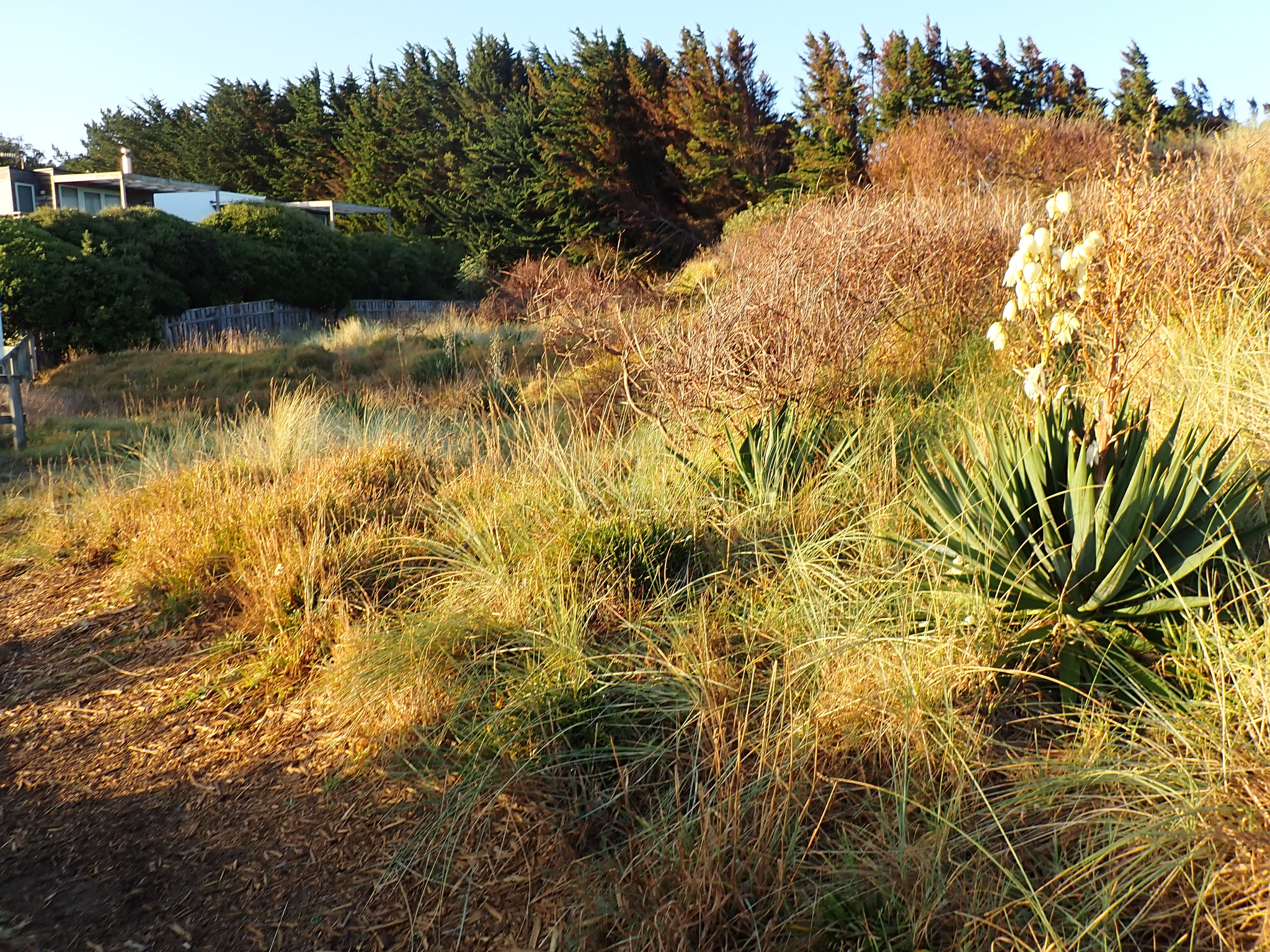
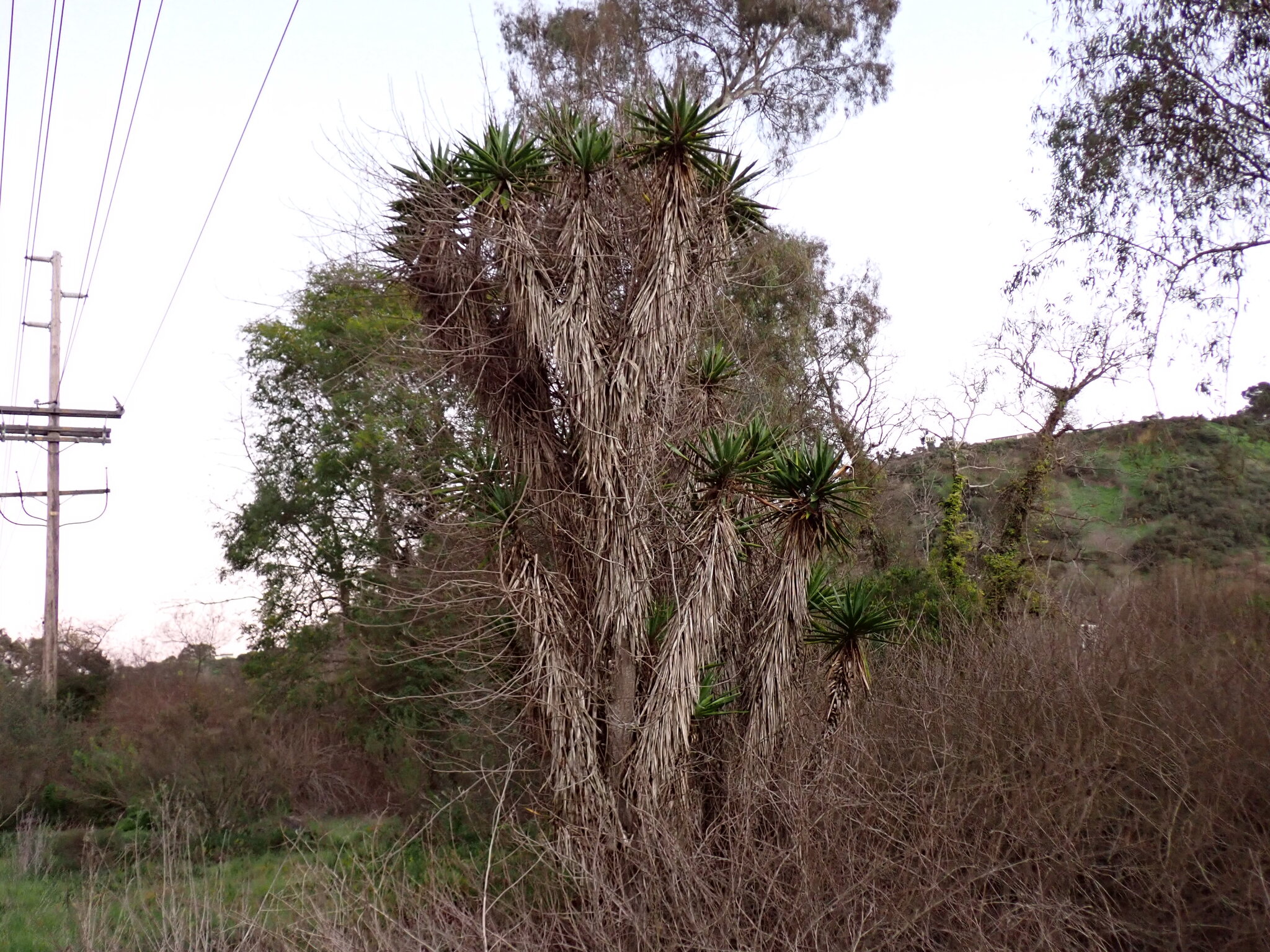
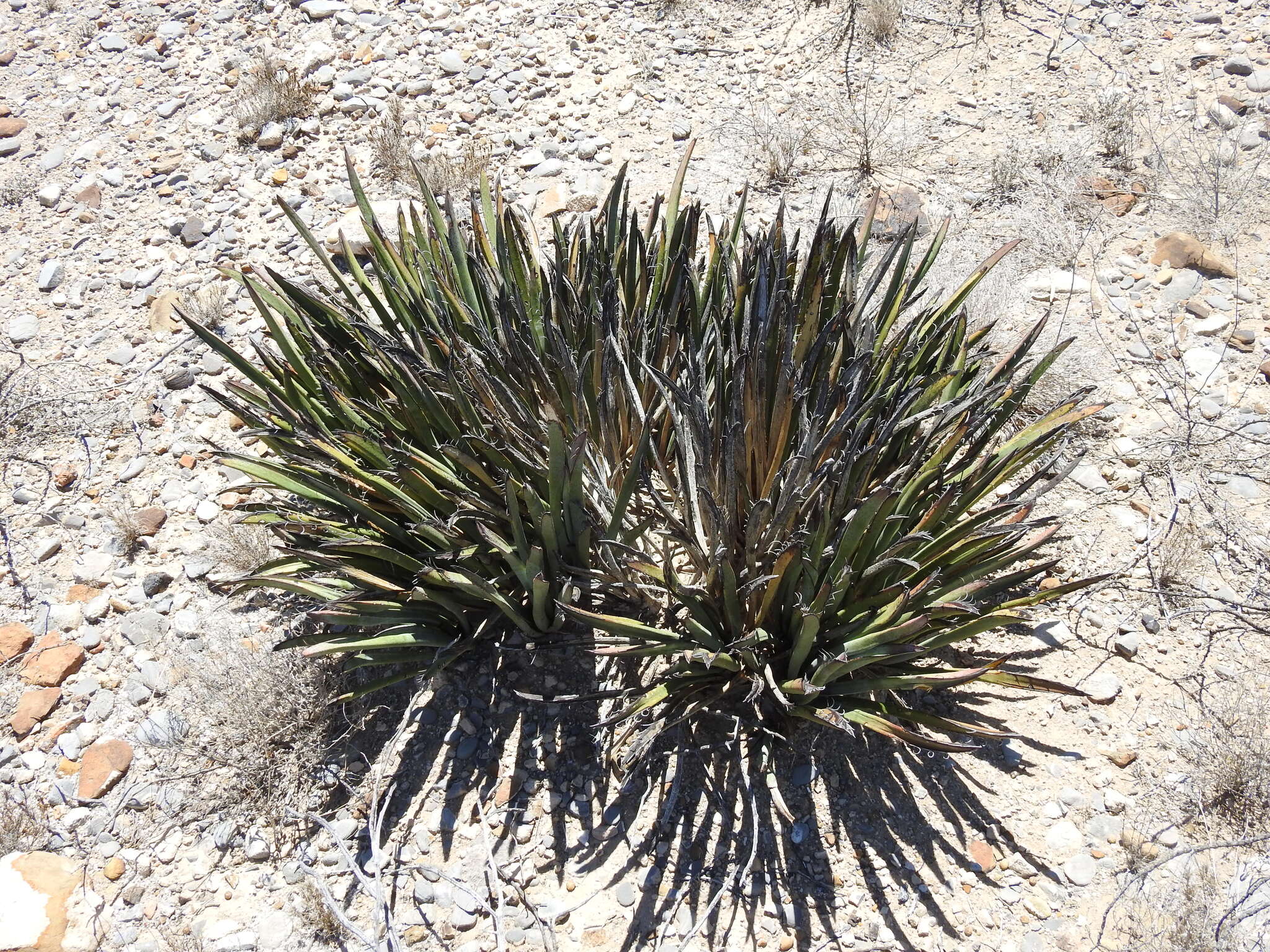
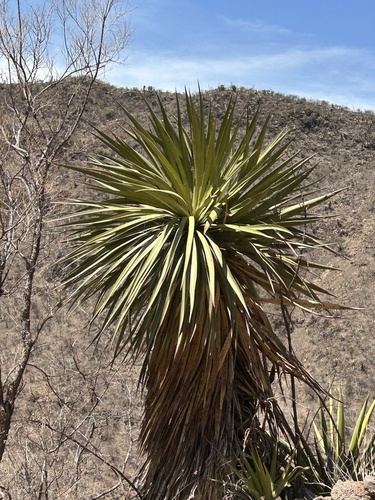
Fotos de Espada De San Pedro (Yucca aloifolia)
Dónde se encuentra Espada De San Pedro (Yucca aloifolia)

Density
Toca el mapa para explorar
Nombres comunes y sinónimos botánicos
Clasificación botánica
| Rango | Nombre |
|---|---|
| Reino | Plantae |
| División | Tracheophyta |
| Clase | Liliopsida |
| Orden | Asparagales |
| Familia | Asparagaceae |
| Género | Yucca |
| Especie | Yucca aloifolia |
Similares en el género Yucca
Respuestas basadas en datos de la enciclopedia de plantas