
About the author
Maya Chen
Houseplant Care Editor
Maya has spent twelve years writing about indoor gardening and troubleshooting houseplants for beginners. She tests care routines on her own collection of pothos, ferns, and philodendrons before publishing guides.
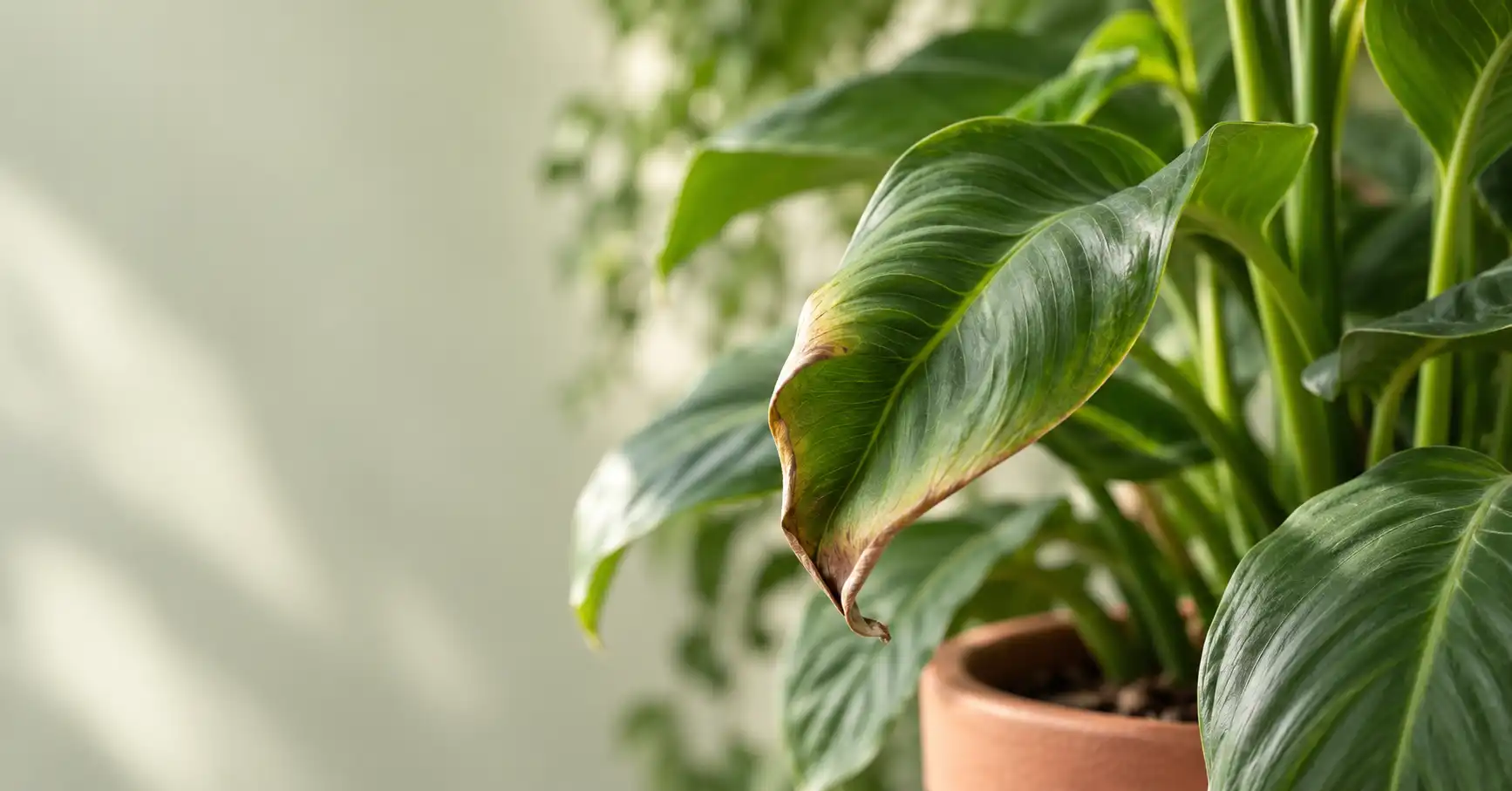
A curled leaf is a clue, not a diagnosis. Plant leaves curl when water supply, growing conditions, or damage interfere with normal leaf growth and firmness-here's how to find the cause and give your plant the care it actually needs.
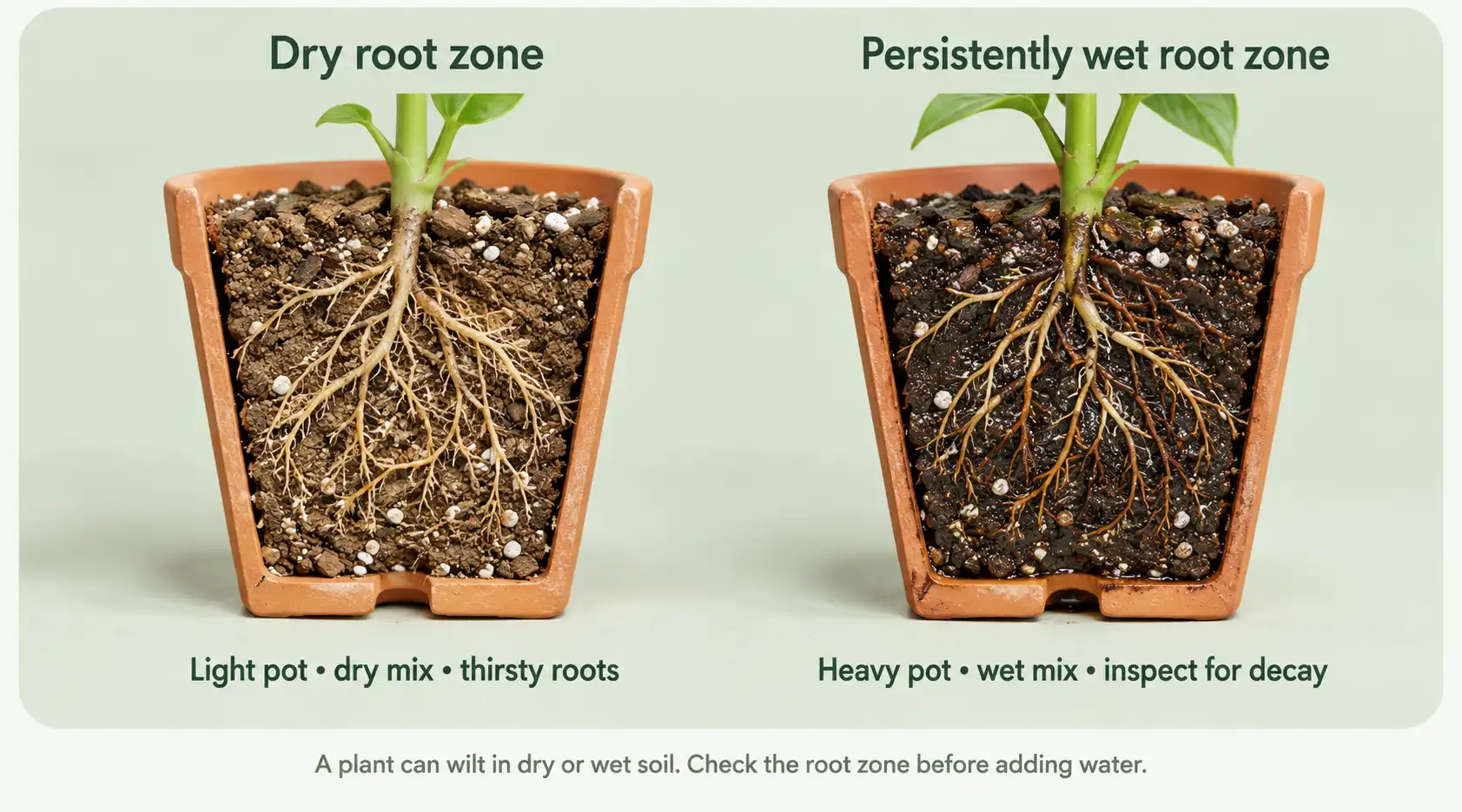
Common triggers include dry soil, overwatering, heat, strong sunlight, dry air, cold drafts, pests, excess salts, root stress, and disease or chemical injury. Check the potting mix before you water. A curled, wilting plant may have dry roots or damaged roots in wet soil. Curl direction alone cannot tell you which one.
If you are unsure of the species, identify it with ePlant AI first, then compare care notes in our encyclopedia. For yellowing that often travels with curling, see why leaves turn yellow.
Start here: match the curl with other symptoms
Look at the whole plant, not one leaf. Feel the potting mix below the surface, lift the pot, and check whether the problem affects older leaves, new growth, or only one side. The table helps you decide what to inspect first; it does not confirm a diagnosis.
| What you notice | What to investigate | First useful action |
|---|---|---|
| Dry mix + light pot | Underwatering | Water thoroughly if appropriate for the species. |
| Wet mix + yellowing | Overwatering or root damage | Check drainage; inspect roots if decline continues. |
| Curling during hot hours | Heat or moisture stress | Reduce heat exposure; check the root zone. |
| Curling + bleached patches | Excess light | Adjust light to the species' needs. |
| Crisp edges + dry air | Low humidity or water stress | Check soil and measure room humidity. |
| Twisted growth + insects | Pest feeding | Separate the plant and identify the pest. |
| Curling after feeding | Salt buildup or another stress | Review feeding and drainage before treating. |
| Persistent mottled new growth | Possible disease or chemical injury | Seek a species-specific assessment. |
Before changing anything
Take one photo of the whole plant and one of the affected leaves. Note the last watering, any recent move, repotting, fertilizer, or spray. That timeline often helps more than the direction of the curl.
Leaves curling up, down, or inward: what does it mean?
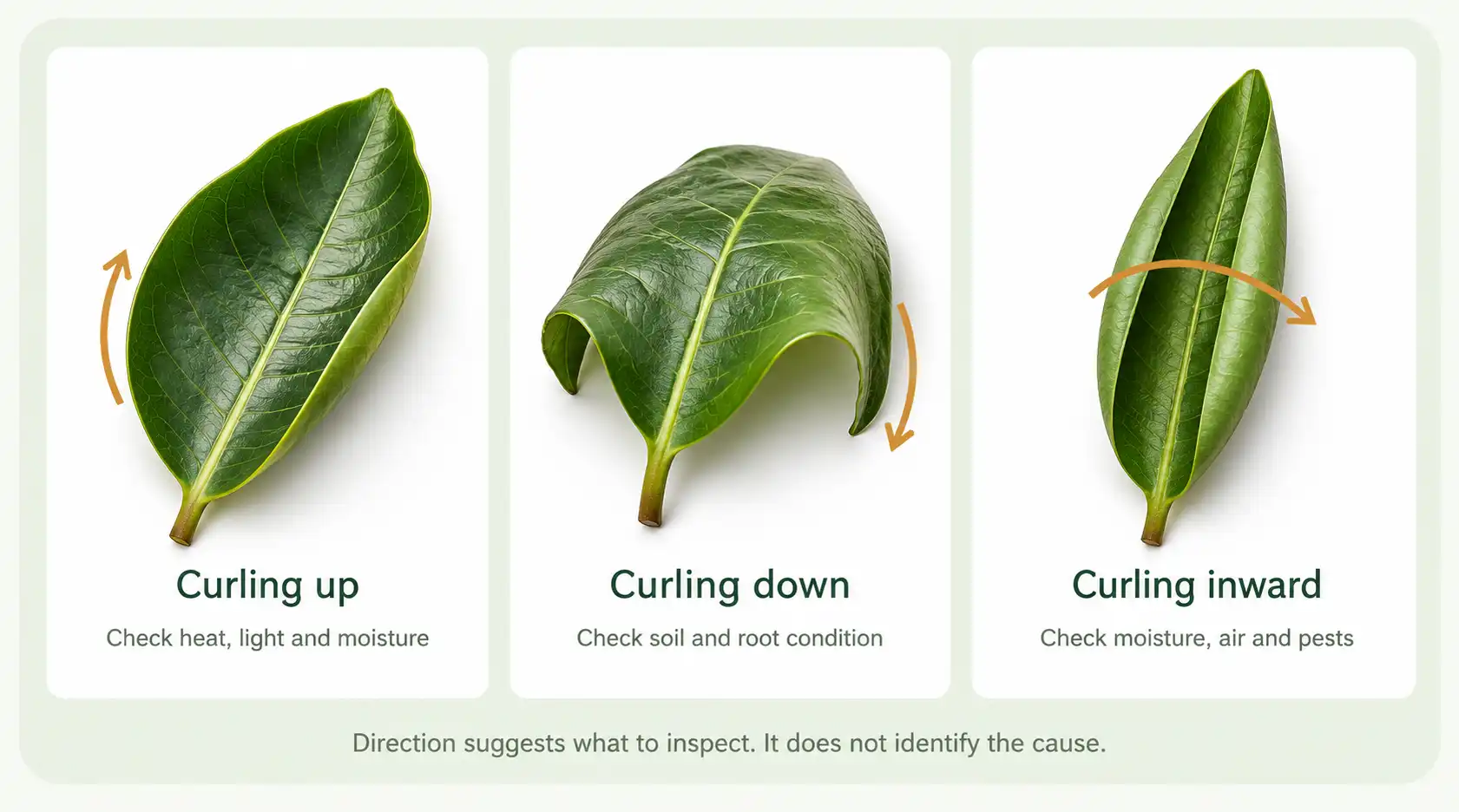
Leaves curling upwards can accompany heat, intense light, or moisture stress. Leaves curling downwards can accompany root or water problems. Plant leaves curling inward can occur as foliage loses firmness or responds to stressful conditions. These patterns overlap across species.
Use direction to guide an inspection, then confirm with soil moisture, root health, light exposure, and pest evidence. A naturally rolled new leaf or a plant with a curled growth habit may be healthy.
10 common causes of plant leaves curling
Start with the cause that matches your observations. Correct the likely stress and monitor the response rather than changing water, light, soil, and fertilizer all at once.
01Underwatering
Look for: Dry soil, a light pot, and leaves that feel limp or have crisp edges.
When the root zone dries too far, leaves can lose firmness and fold or roll. This is especially easy to miss when water runs down the sides of a shrunken root ball instead of soaking into it.
What to do: Check below the surface. If the mix is dry for that species, water slowly and thoroughly until excess drains out. Let it finish draining and empty the saucer. Very dry mix may need a second slow pass to absorb water evenly.
Keep in mind: Do not use a fixed daily watering schedule. Recheck the pot’s weight and moisture before watering again.
02Overwatering and root rot
Look for: Soil stays wet, the pot feels heavy, and curling comes with yellowing or soft stems.
A wet plant can look thirsty because damaged roots struggle to take up water. Adding more water to a saturated pot can make the underlying problem worse.
What to do: Empty standing water and check drainage holes. If the plant keeps declining in wet mix, gently inspect the roots. Remove clearly rotten, soft tissue with clean tools and repot in fresh, suitable mix if enough healthy roots remain.
Keep in mind: Healthy roots are firm; color varies by species. Dark color alone does not prove rot. Avoid repotting every mildly curled plant.
03Heat stress
Look for: Curling is strongest during the hottest hours or beside a radiator, hot window, or warm appliance.
Leaves can lose water faster than roots replace it in hot conditions. Even a recently watered plant may temporarily droop or curl.
What to do: Move the plant away from the heat source. Give outdoor plants appropriate temporary shade during extreme heat. Check soil moisture before deciding whether to water.
Keep in mind: Watch whether leaves relax as conditions cool. Persistently wet soil needs a different response from dry soil.
04Too much direct sunlight
Look for: The exposed side has pale, bleached, or dry brown patches, especially after a move into stronger light.
A shade-adapted plant can be stressed by sudden direct sun. Curling alone is a weak clue; scorch and the timing of a lighting change make excess light more plausible.
What to do: For a houseplant that prefers indirect light, move it back from the window or use a sheer curtain. Introduce stronger light gradually when appropriate for the species.
Keep in mind: Sun-loving plants have different needs. A brown patch will not turn green again, even after you correct the light.
05Low humidity
Look for: Thin-leaved tropical plants have rolled leaves or crisp margins in dry indoor air.
Low humidity can increase moisture loss, but it overlaps with dry soil, heat, and root problems. A curled leaf is not a humidity measurement.
What to do: Check the soil first, then use a hygrometer near the plant. If the species needs more humid air, consider a clean humidifier while keeping gentle airflow and avoiding constantly wet foliage.
Keep in mind: Do not assume every plant needs high humidity. Match the room conditions to the plant rather than repeatedly misting an unknown problem.
06Cold stress and drafts
Look for: Symptoms follow a cold night, air-conditioning blast, open window, or contact with cold glass.
Abrupt temperature changes can stress tender foliage. Chilling may also cause discoloration or tissue damage, so inspect more than the leaf’s shape.
What to do: Move tender plants away from drafts and glass. Keep temperatures stable within the species’ preferred range. Check moisture because plants may use less water in cooler conditions.
Keep in mind: Do not compensate with heavy watering or fertilizer. Stabilize the environment first.
07Sap-feeding pests
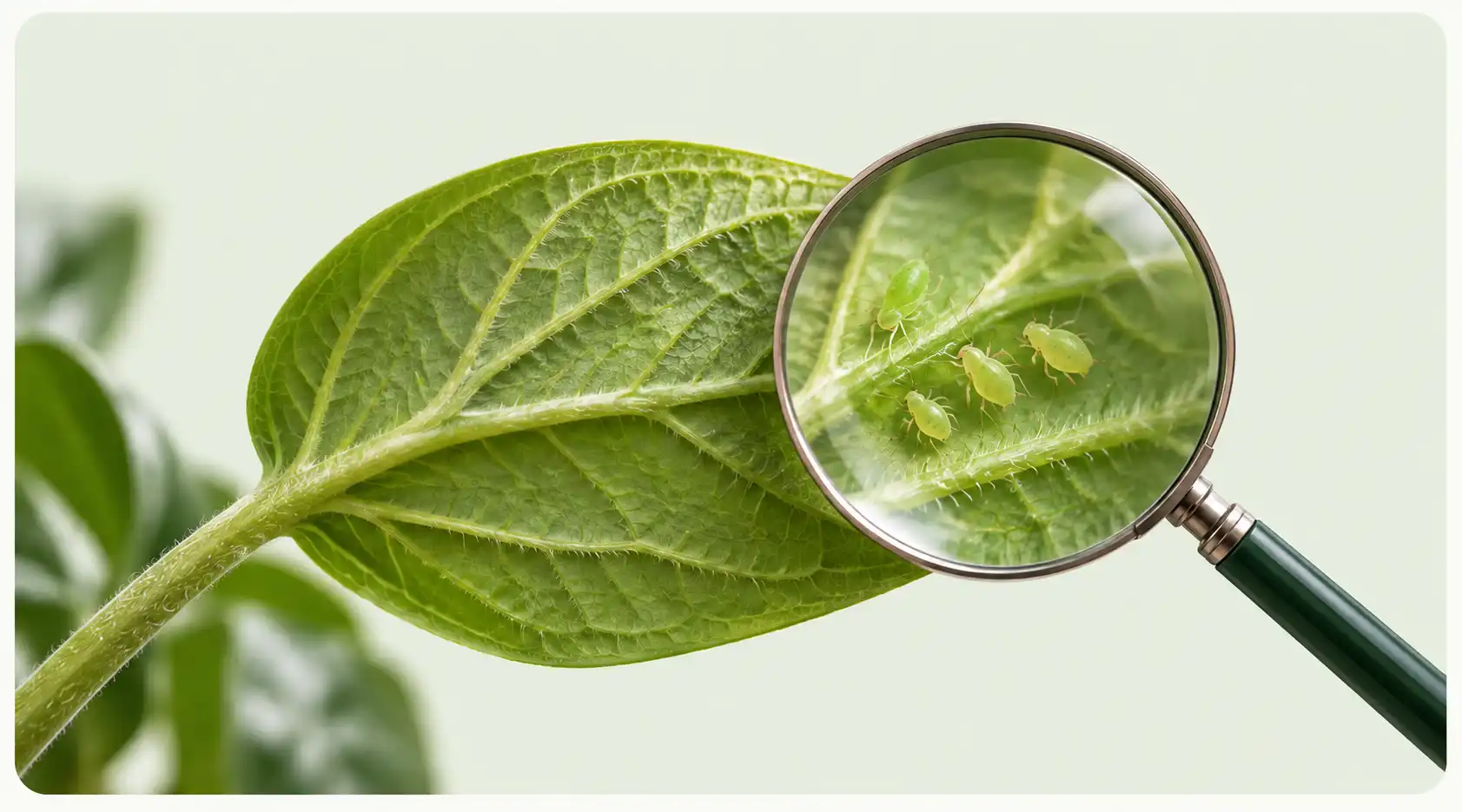
Look for: New leaves are distorted, or you find insects, fine webbing, sticky residue, or silvery feeding marks.
Aphids, thrips, and mites can damage foliage. Some are difficult to see without magnification, especially on leaf undersides and growing tips.
What to do: Separate the affected plant. Inspect both sides of leaves and stems. Identify the pest before choosing a treatment; follow the product label and confirm it is suitable for that plant and indoor use.
Keep in mind: Use a hand lens and repeat inspections. A photo or curled leaf alone cannot reliably identify every pest.
08Fertilizer and mineral salt buildup
Look for: Brown tips appear after feeding, or a white crust builds up on the mix or pot.
Excess dissolved salts can interfere with water uptake and damage tissues. Curling is nonspecific, so connect it with feeding history, deposits, and root-zone conditions.
What to do: Pause feeding. If the pot drains well and the plant is otherwise suitable for flushing, rinse the mix thoroughly from the top and let it drain completely. Severe buildup may warrant fresh potting mix.
Keep in mind: Do not flush an already waterlogged, poorly draining pot. Use fertilizer at the label rate and appropriate growth stage.
09Root crowding or repotting stress
Look for: Curling starts just after repotting, or the root ball is densely circling and dries unusually fast.
Crowded roots and disturbed roots are different problems, but both can upset water supply. Roots at a drainage hole alone do not prove the plant needs a larger pot.
What to do: Inspect when there are supporting signs. For severe crowding, choose a modestly larger pot with drainage and suitable mix. After recent repotting, keep light and temperature steady and avoid disturbing the roots again unnecessarily.
Keep in mind: An oversized pot can hold excess moisture. Do not increase pot size dramatically or feed heavily to force recovery.
10Disease or chemical injury
Look for: Twisted new growth is persistent, especially with mottling, stunting, unusual thickening, or a recent spray exposure.
Garden plants can develop distorted foliage from infections or herbicide exposure. These require a species-specific assessment; ordinary leaf rolling is not automatically a viral or fungal disease.
What to do: Keep a record of nearby spraying and when symptoms began. Isolate a suspicious container plant where practical. Ask a local extension service or qualified plant professional to assess ongoing distorted growth.
Keep in mind: There is no universal leaf curl treatment. Do not apply fungicide for every curled leaf or assume nutrients will correct chemical injury.
How to fix curling plant leaves, step by step
- Confirm the plant’s identity. A succulent and a thin-leaved tropical plant need different watering and humidity. If you are unsure, use ePlant AI to explore likely plant matches and compare identifying features.
- Check the root zone. Look beyond the dry surface. Pot weight and a clean wooden probe can help you compare today’s moisture with the pot after a normal watering.
- Check the setting. Look for direct afternoon sun, hot appliances, drafts, cold glass, or a recent change of position.
- Inspect for damage and pests. Examine undersides, stems, and growing tips. Separate the plant if you find pests or suspicious spreading symptoms. See our pest guide.
- Make the most supported correction. Water a genuinely dry plant, correct a drainage problem, reduce unsuitable light, or choose a treatment for an identified pest. Do not add fertilizer as a general rescue remedy.
- Track the result. Photograph the same leaves in comparable light. Monitor moisture and the next growth, and reassess if symptoms spread or stems soften.
Your first check today
- Is the soil dry, damp, or still saturated?
- Did the problem follow a move, heatwave, feeding, or repotting?
- Are there insects, webbing, sticky patches, or distorted new leaves?
- Does the species normally emerge with rolled leaves?
Will curled leaves recover?
Living foliage may relax when a temporary stress is corrected. Leaves that are scorched, dead, or permanently deformed may never flatten. Judge progress by stable symptoms, normal moisture use, and healthier new growth.
There is no reliable recovery deadline for every plant. If curling spreads despite improved conditions, or you notice soft stems, extensive root decay, or persistent mottled growth, seek a species-specific assessment-or try our plant disease identifier.
How to prevent curling leaves from returning
Match care to the species and season. Use a pot with working drainage, check moisture before watering, and introduce stronger light gradually. Keep tender plants away from harsh drafts and inspect new arrivals before placing them beside the rest of your collection.
Feed according to the product label and the plant’s growth needs. A brief care log can reveal a repeating problem: the pot dries too quickly, stays wet too long, or curls whenever it sits beside a hot window. Adjust the routine using those observations.
Know your plant. Care with confidence.
Explore likely matches from a clear photo before choosing a care routine.
Identify with ePlant AIFrequently Asked Questions
Why are my plant leaves curling upward?
Upward curling can accompany heat, strong light, or water stress, but direction alone cannot diagnose it. Check soil moisture, recent changes, and whether the exposed leaves are scorched before choosing a fix.
Why are my plant leaves curling downward?
Downward curling may occur with water or root stress and other problems. Check whether the root zone is dry or persistently wet, then inspect drainage and the condition of declining roots.
Why are my plant leaves curling inward?
Inward rolling can occur when a plant is struggling to maintain moisture, including in dry soil or hot, dry air. Also inspect leaf undersides and new growth for pests. Interpret it using the plant’s normal leaf shape.
Can overwatering cause curling leaves?
Yes. Saturated conditions can damage roots, and a plant with impaired roots may curl or wilt even while the potting mix is wet. Check the root zone before adding more water.
Will curled leaves go back to normal?
Some living leaves relax after a temporary stress is corrected. Scorched, dead, or permanently distorted tissue may stay damaged. Healthier new growth is a better sign of recovery than perfect older leaves.
Should I cut off curled leaves?
Keep leaves that are mostly green and functioning. Remove fully dead tissue with clean tools. Do not remove most of the foliage simply because it is curled, and use a pest- or disease-specific approach when needed.
Is a new rolled leaf always a problem?
No. Some plants produce new leaves that emerge rolled and unfold as they mature. Check the species’ normal growth habit. Persistent distortion, damage, or pests deserve further investigation.
References & further reading
- Royal Horticultural Society: leaf damage on houseplants
- University of Maryland Extension: drought stress to indoor plants
- University of Maryland Extension: diagnose indoor plant problems
- University of Minnesota Extension: managing insects on indoor plants
- University of Maryland Extension: mineral and fertilizer salt deposits
- University of Minnesota Extension: curled tomato leaves
All images are original explanatory illustrations. They show what to inspect and should not be used to identify a disease from appearance alone.