






Leaf Shape
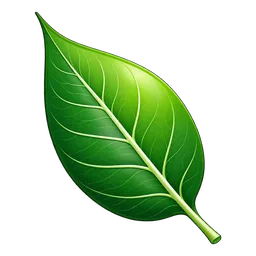
Look at the whole leaf shape before focusing on color.
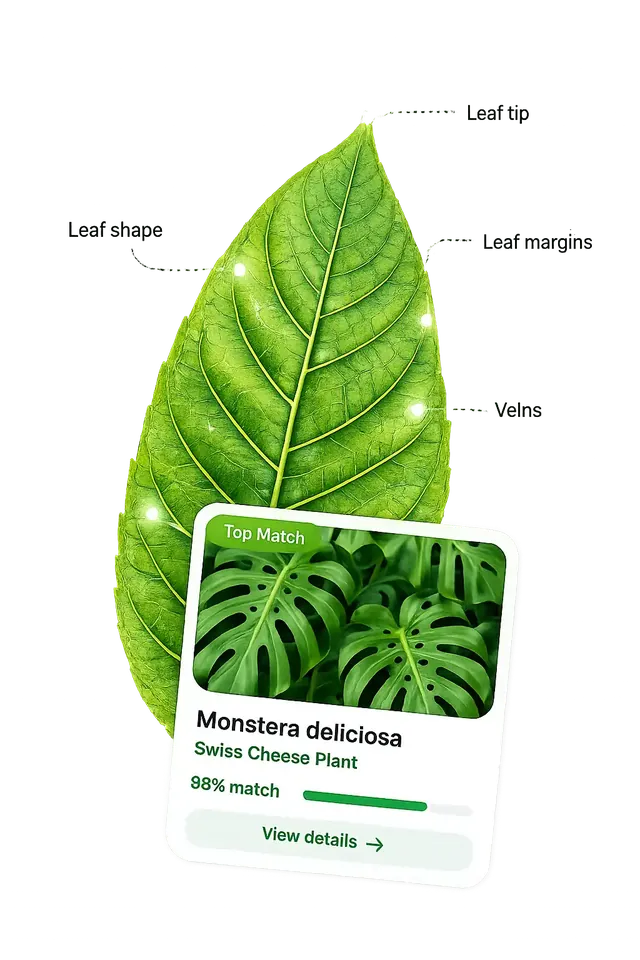
Upload a clear leaf or plant photo to get likely matches, then compare leaf shape, margins, veins, arrangement, stems and other visible characteristics.
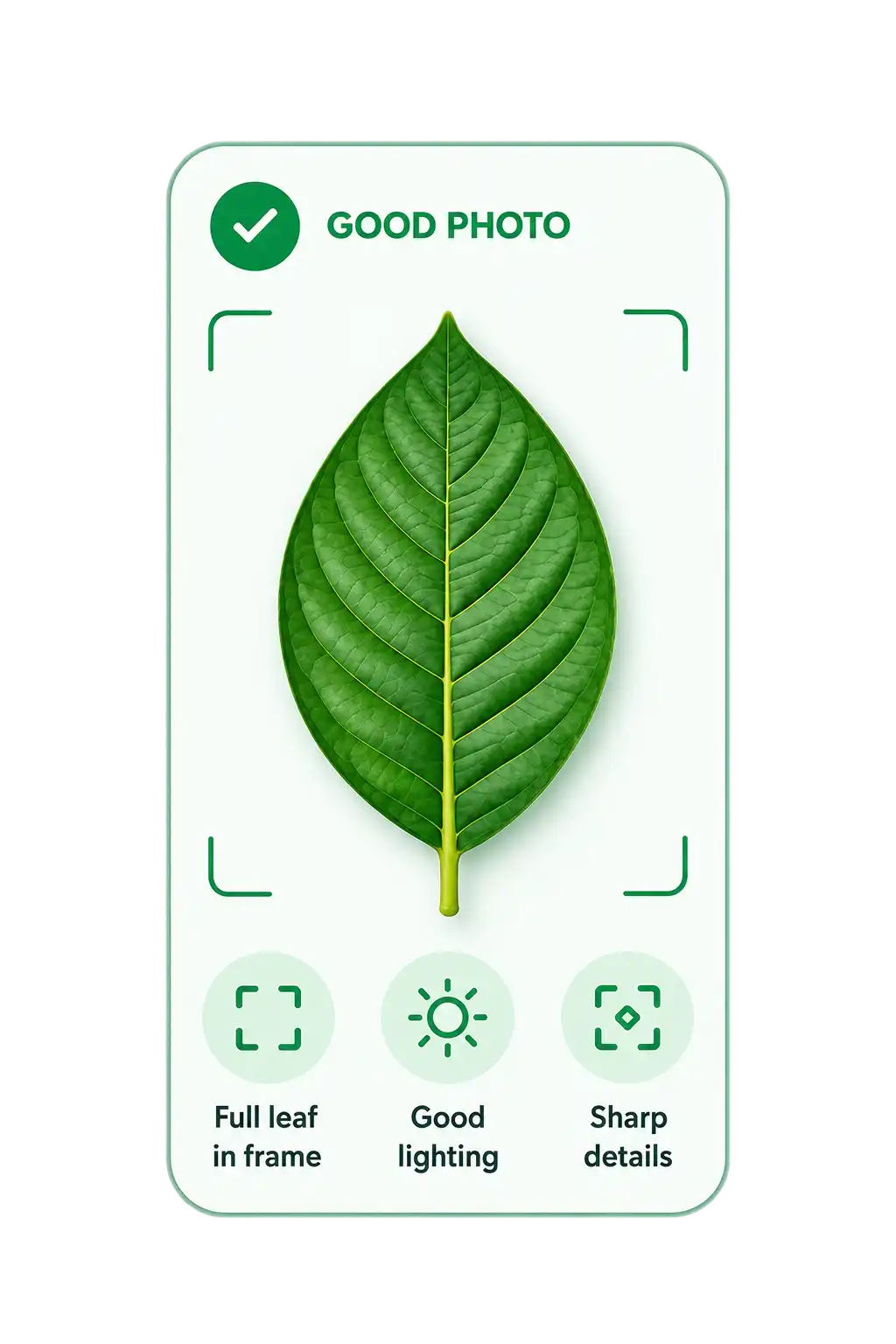
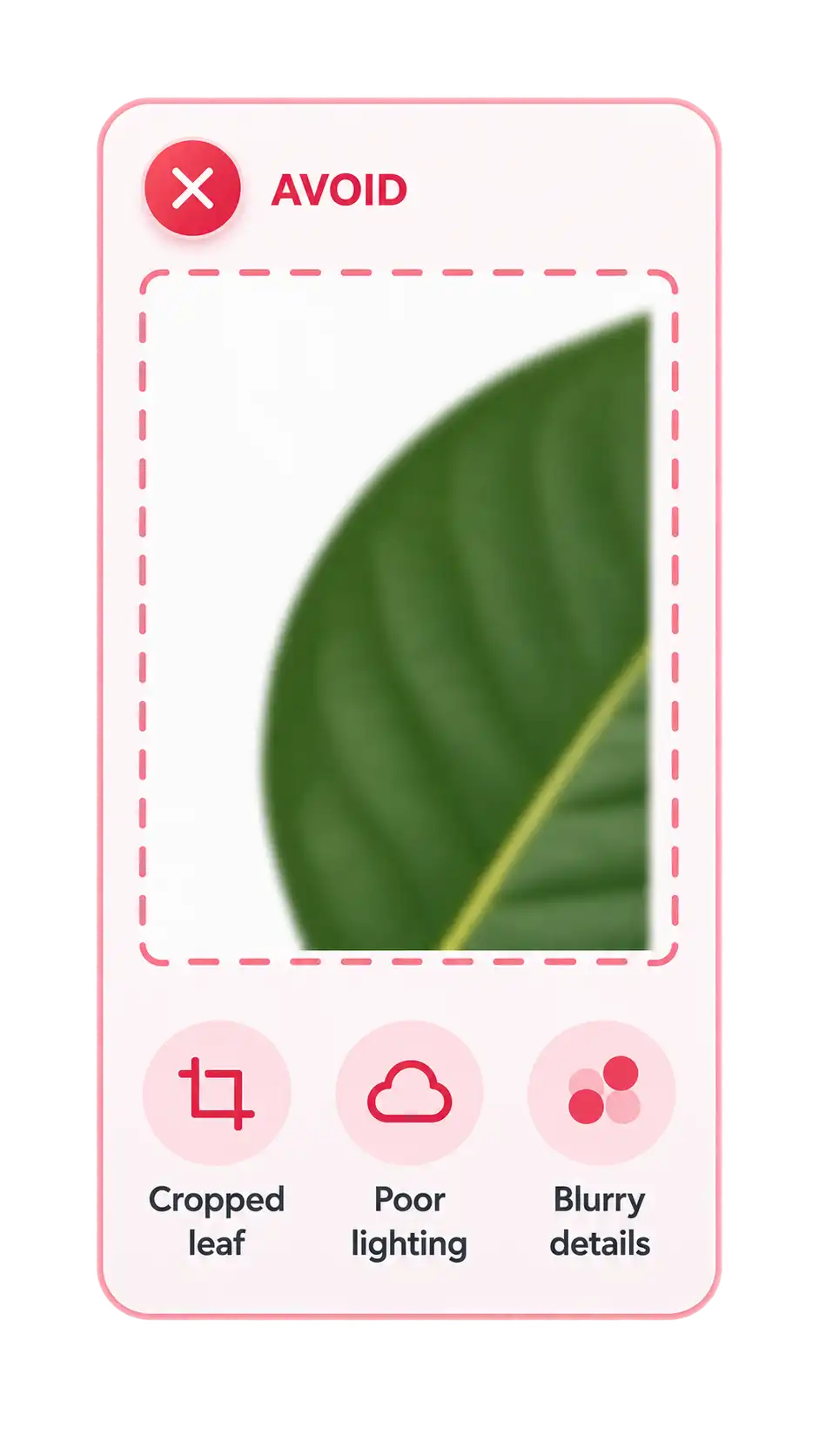
Use a sharp image with the full leaf, edges and veins visible when possible.
Explore sample leaves
Quick answer
Leaves can help narrow a plant identification by their shape, edges, vein pattern, arrangement, texture, size and attachment to the stem. A leaf photo can suggest likely matches, but flowers, fruit, bark, growth habit and location are useful when similar species share the same leaf features.
Look at the whole leaf shape before focusing on color.
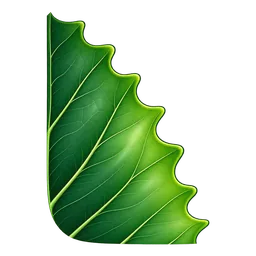
Check whether the edge is smooth, serrated, toothed or wavy.
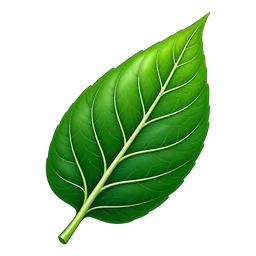
Compare the vein pattern and how leaves attach to the stem.
Use flowers, fruit, bark or habitat to verify close lookalikes.
Visual leaf guide
A reliable plant match usually comes from several visible characteristics working together—not a single color or shape.
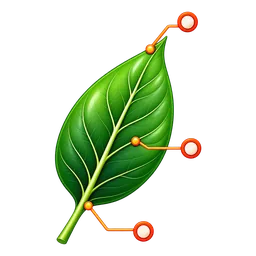
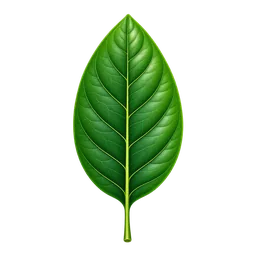
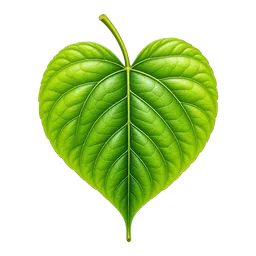
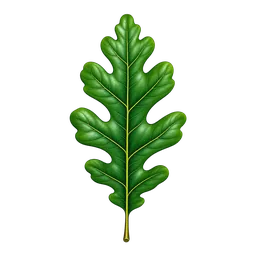
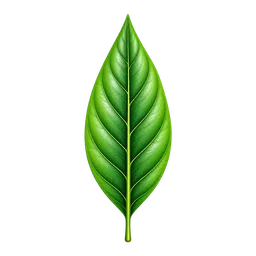
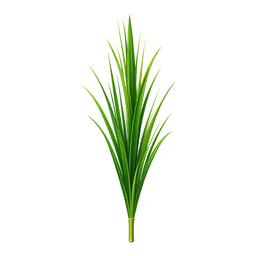
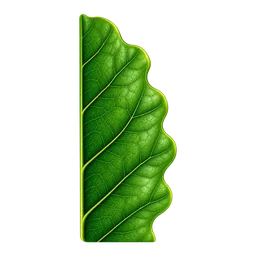
Compare oval, heart-shaped, lance-shaped, lobed, needle-like and other silhouettes.
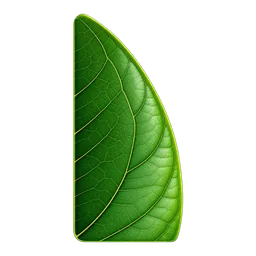
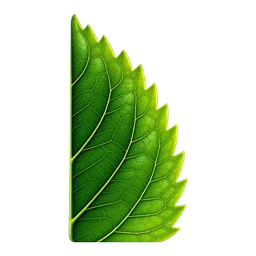
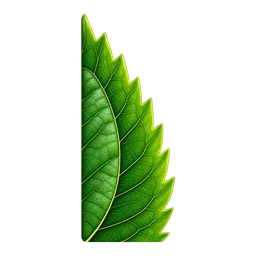
Look for smooth, serrated, toothed, lobed or wavy edges around the blade.
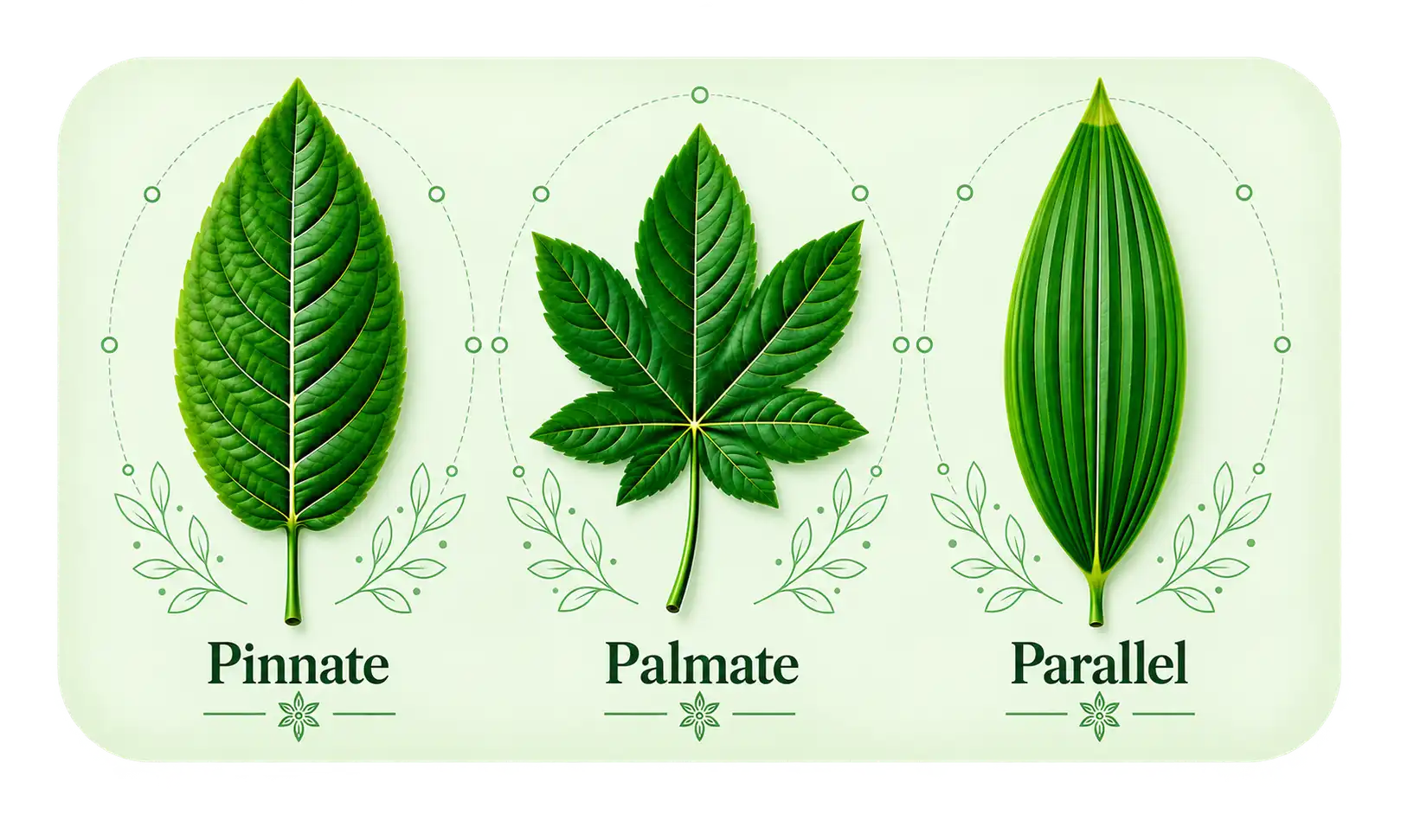
Check whether veins are pinnate, palmate, parallel or otherwise distinctive.
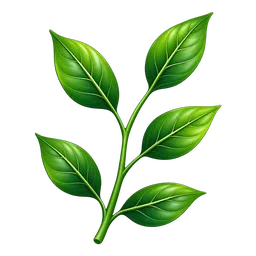
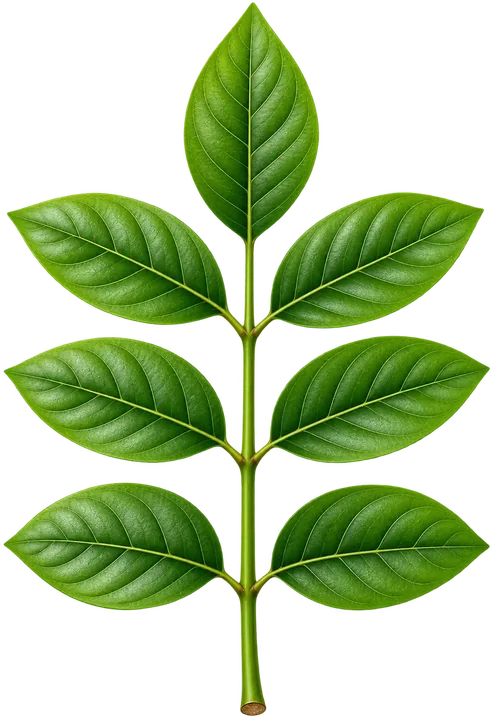
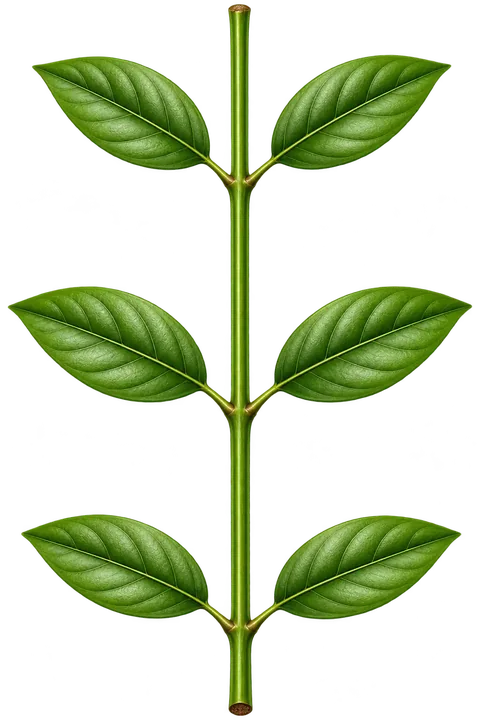
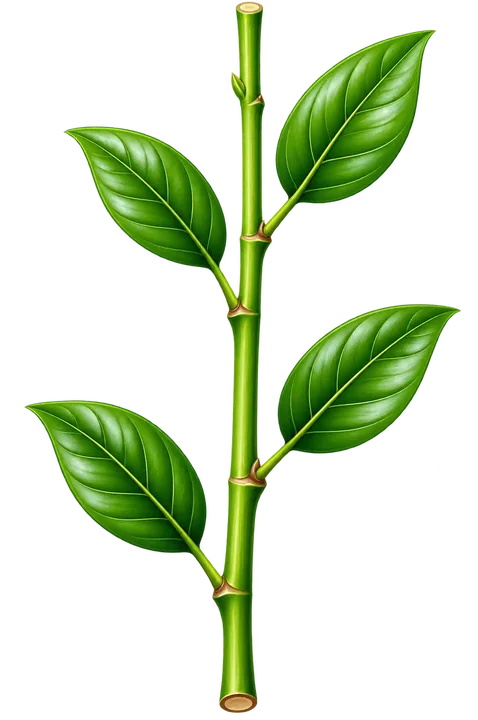
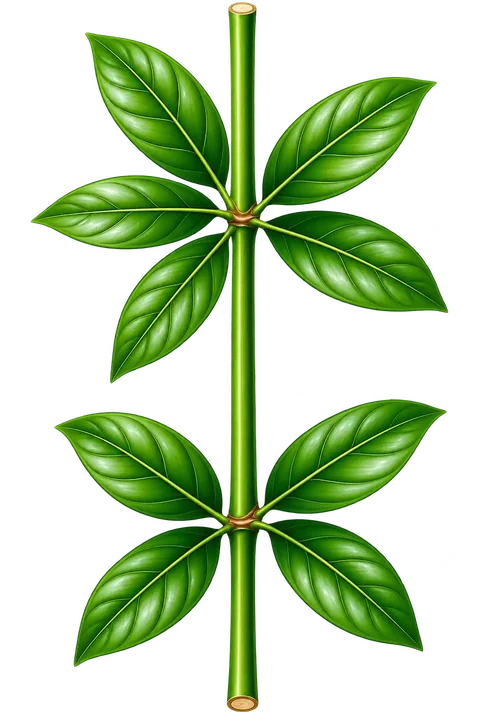
Leaves may grow opposite each other, alternate along the stem or form whorls.
Glossy, hairy, waxy, leathery or rough surfaces can help separate similar plants.
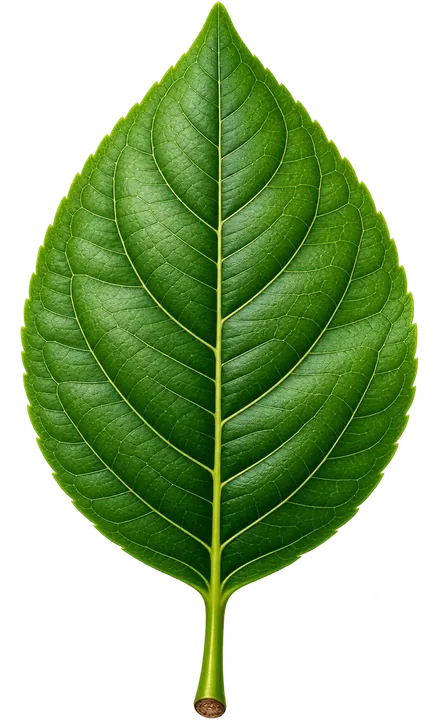
Notice the leaf tip, base shape and the stalk that attaches the leaf to the stem.
Compare patterns
Use simple visual comparisons to narrow down what you see before checking a species profile.
Simple identification flow
The tool can suggest likely matches from a leaf or plant image, while the visual guide helps you verify the result.
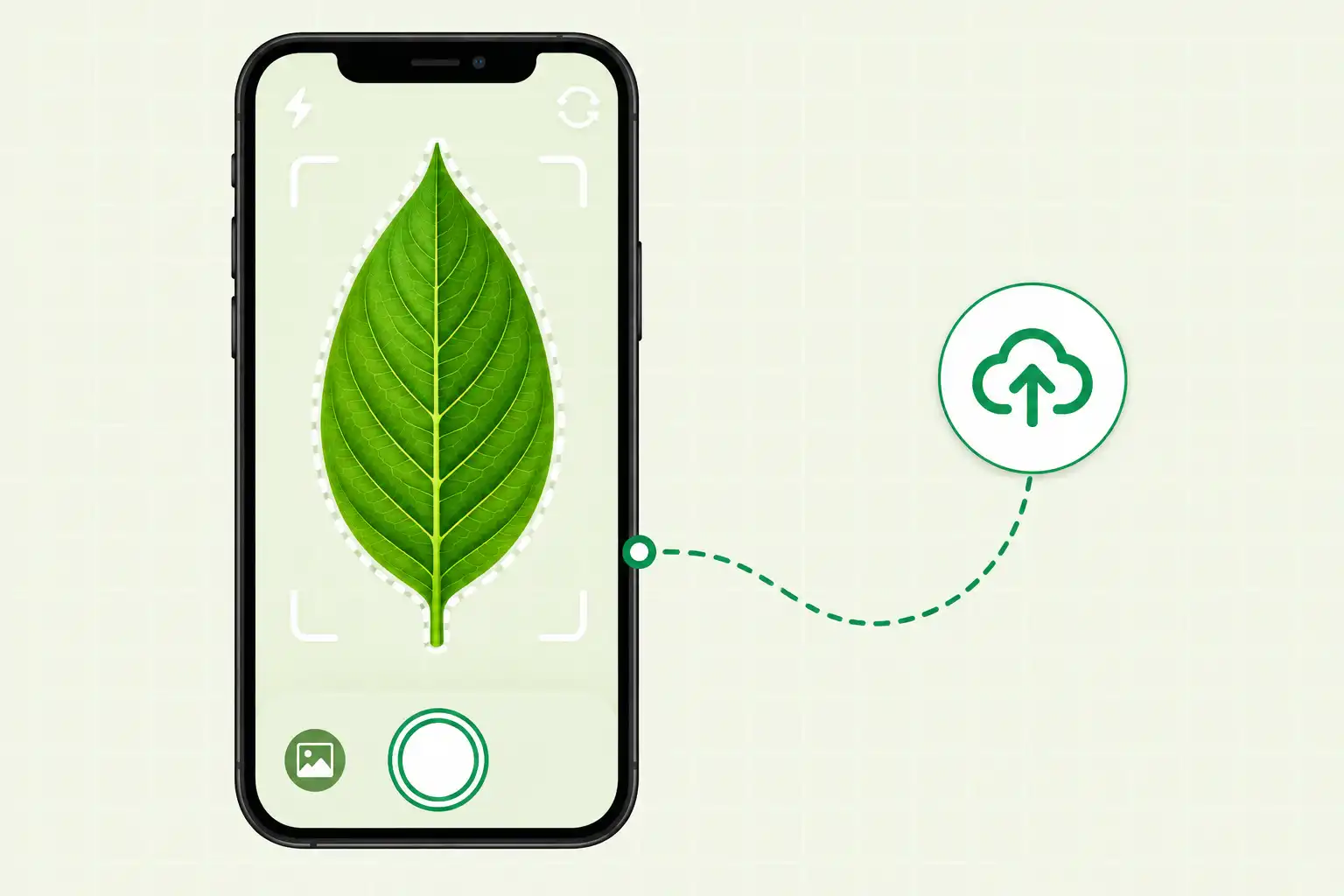
Photograph the full leaf when possible, including its tip, base, edges and attachment to the stem.
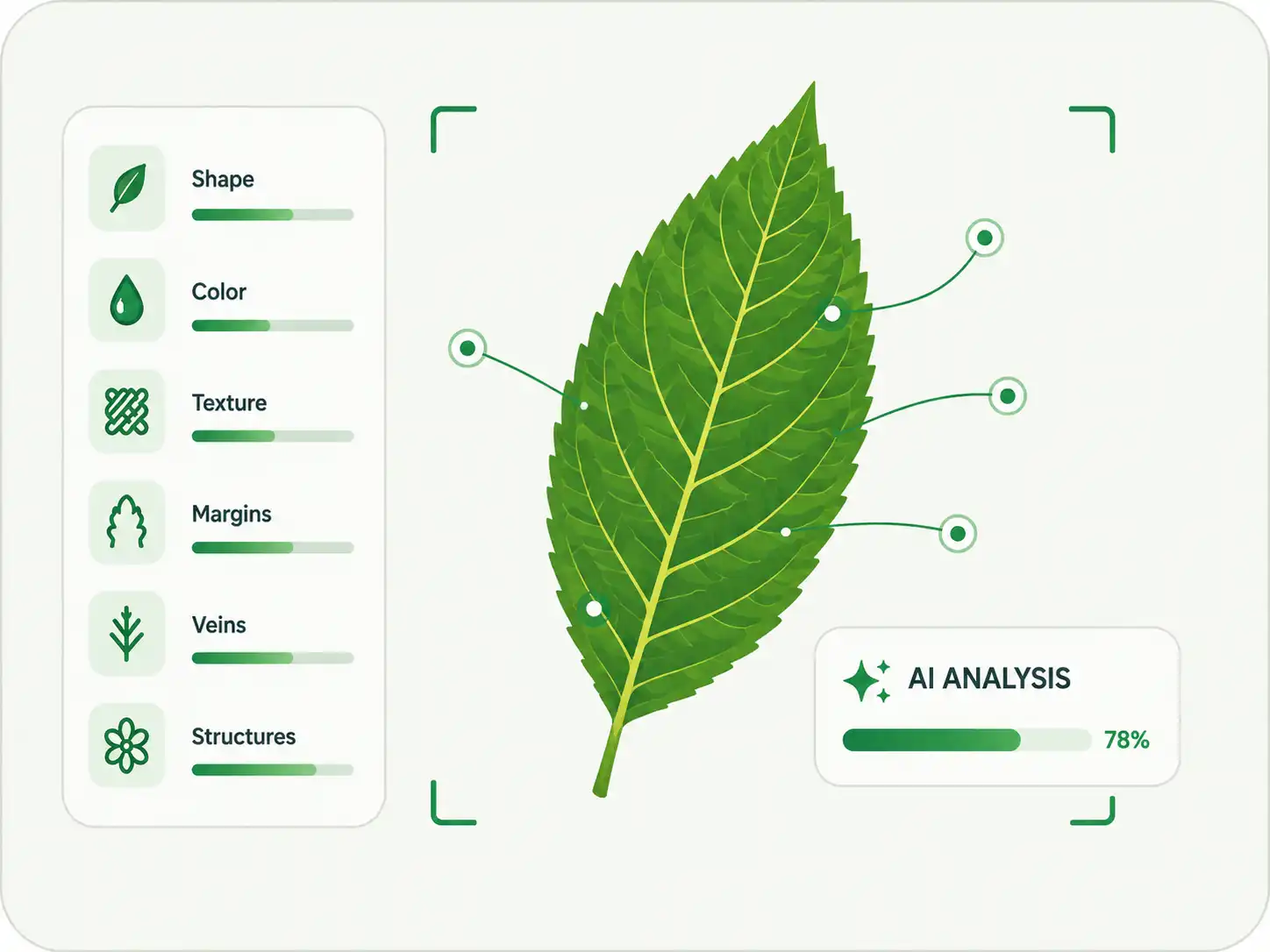
ePlant AI evaluates visible features such as shape, color, texture, margins, veins and nearby plant structures.
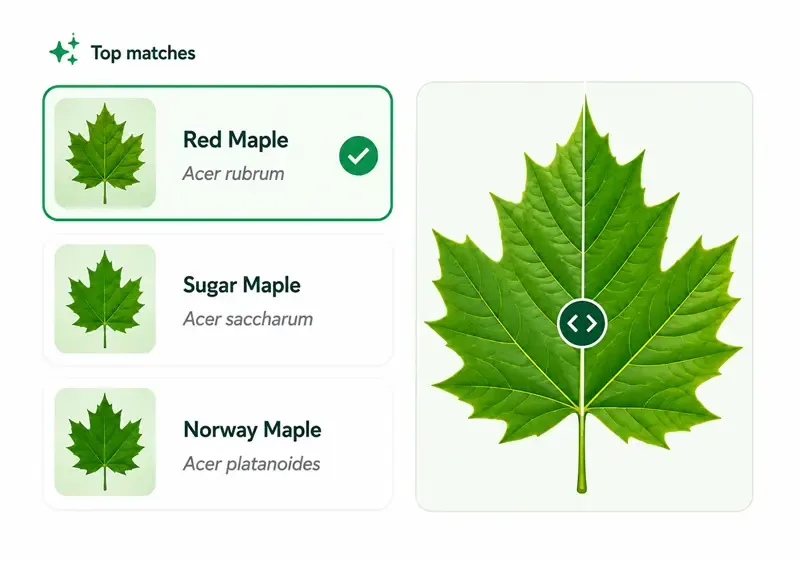
Review possible names, scientific names, reference images and distinguishing traits before accepting the closest match.
Possible matches, not guaranteed scientific identification.
Vein patterns
Veins support the leaf and often form recognizable patterns. Broadleaf plants commonly show pinnate or palmate venation, while many grasses and similar plants have parallel veins.
Pinnate: one main midrib with side veins.
Palmate: several main veins spread from one point.
Parallel: veins run alongside each other.
Tip: combine venation with leaf shape and arrangement.
Stem clues
Two plants can have similarly shaped leaves but very different leaf arrangements.
More evidence
Use other plant structures and context to separate species with similar leaves.
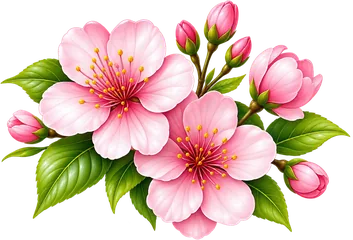
Petal shape, color, number, arrangement and flowering season can be highly distinctive.
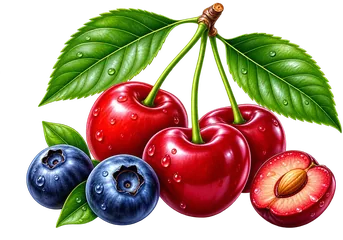
Fruit shape, color and seed structure often provide stronger evidence than leaves alone.
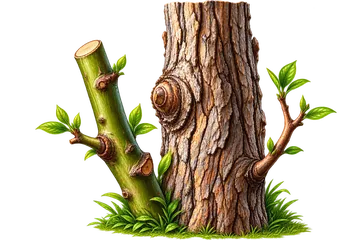
Check nodes, thorns, branching, stem texture, bark color and bark patterns.
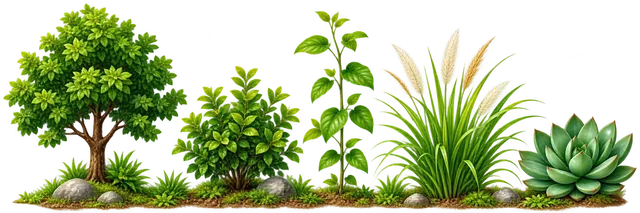
Decide whether the plant behaves like a tree, shrub, vine, herb, grass or succulent.
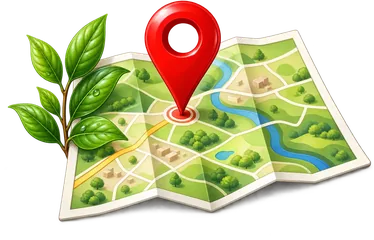
Country, region and elevation can quickly rule out visually similar species.
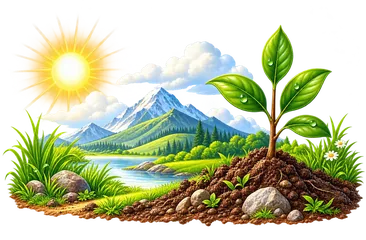
Sun exposure, soil, moisture and season can make one match much more plausible than another.
Different plant groups
Leaf identification can be useful across houseplants, trees, weeds and garden plants, but each group has different clues.
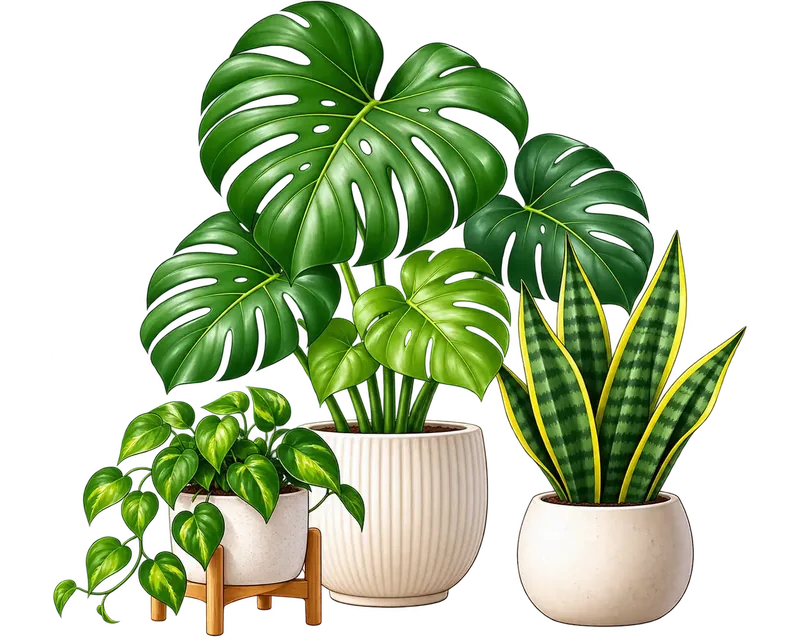
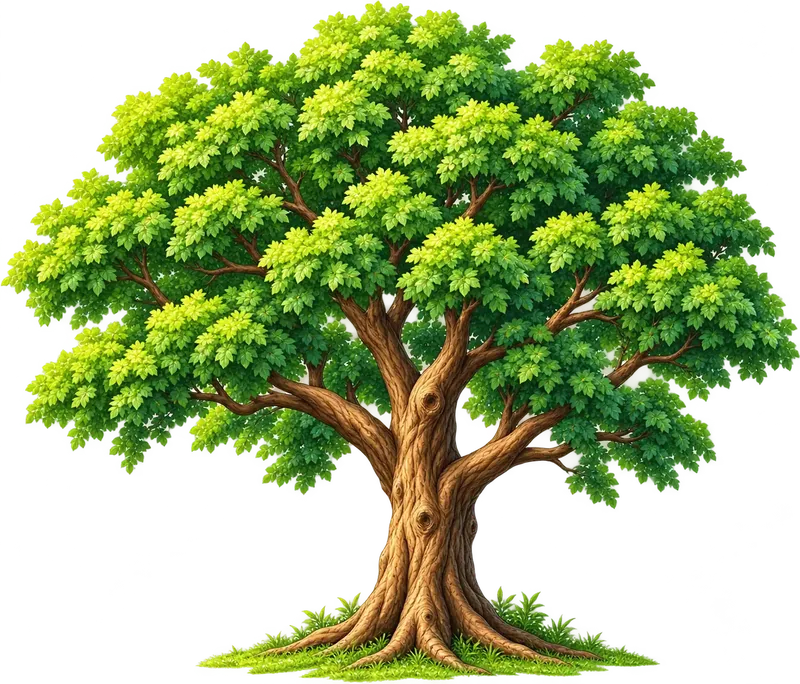
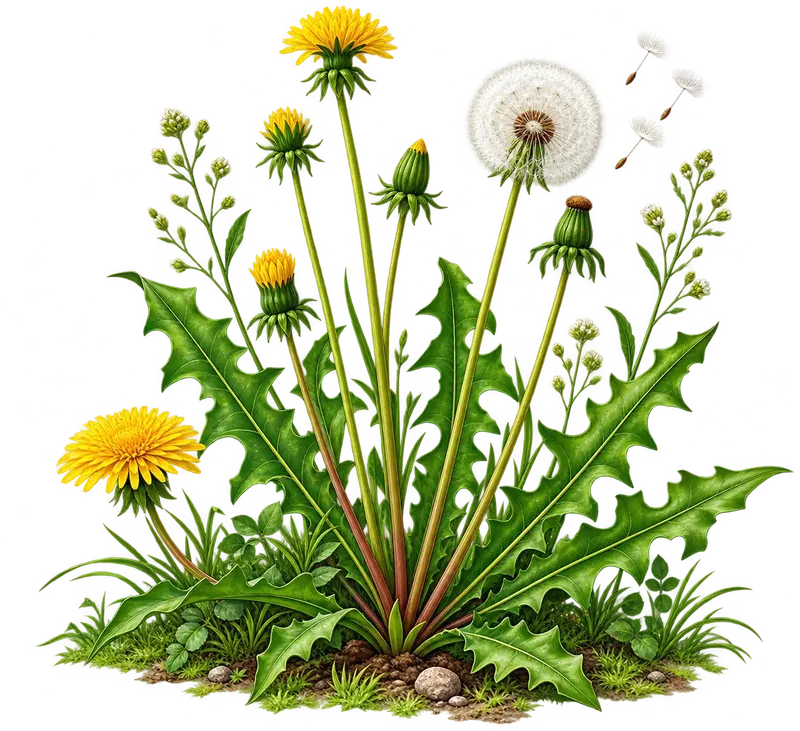
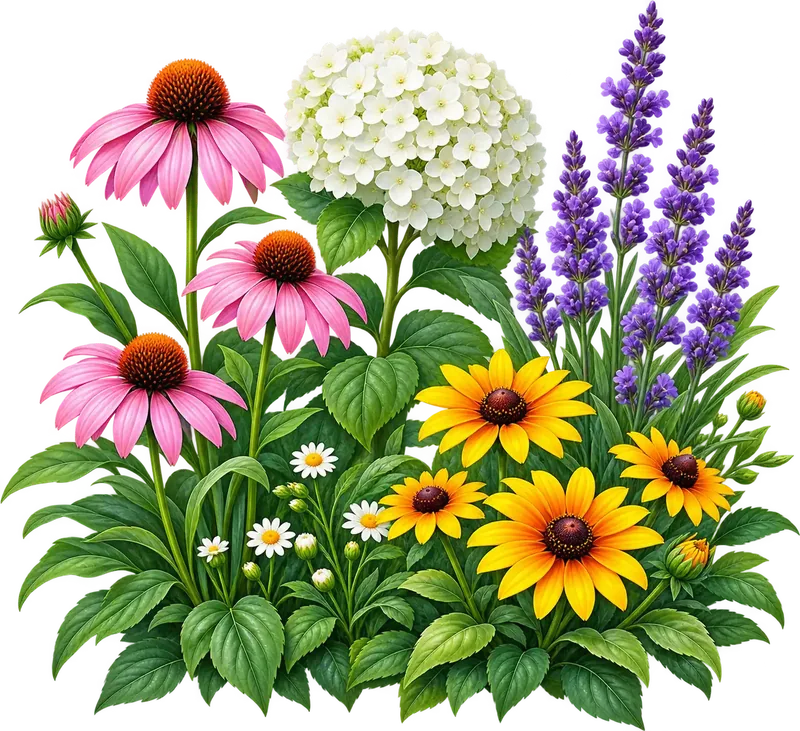
Leaf shape, texture, variegation and growth habit can distinguish many common indoor plants.
Leaves are useful when combined with bark, branching pattern, buds, fruit and overall tree form.
Margins, hairs, stem structure and leaf arrangement often help separate visually similar weeds.
Flowers, leaf texture and mature growth habit provide strong supporting evidence.
Improve your result
Small improvements in framing and light can make important leaf characteristics much easier to compare.
Identification methodology
A useful result should be treated as a candidate to compare, not an unquestionable scientific confirmation.
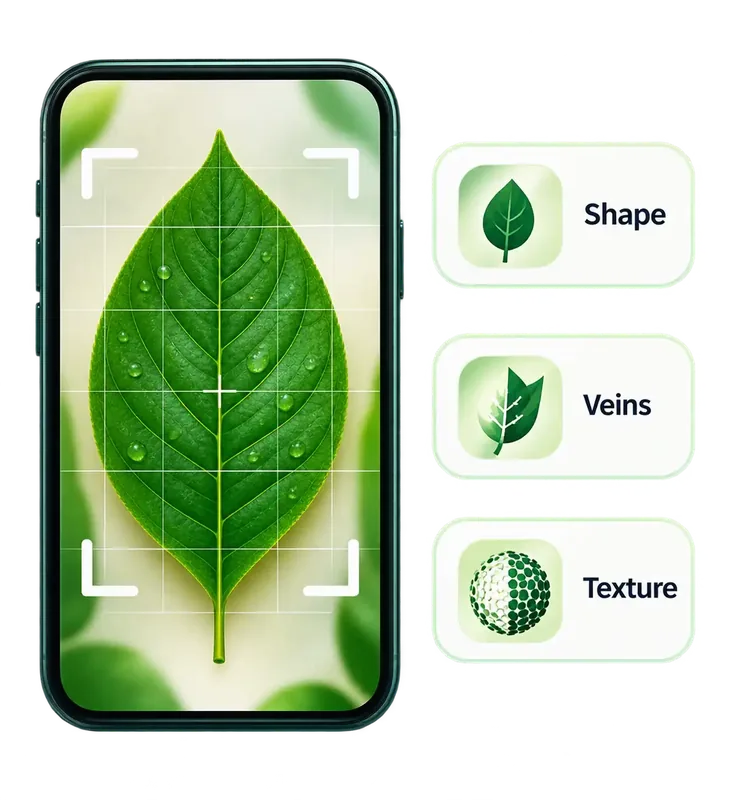
Visible plant structures in the uploaded image are evaluated for recognizable characteristics.
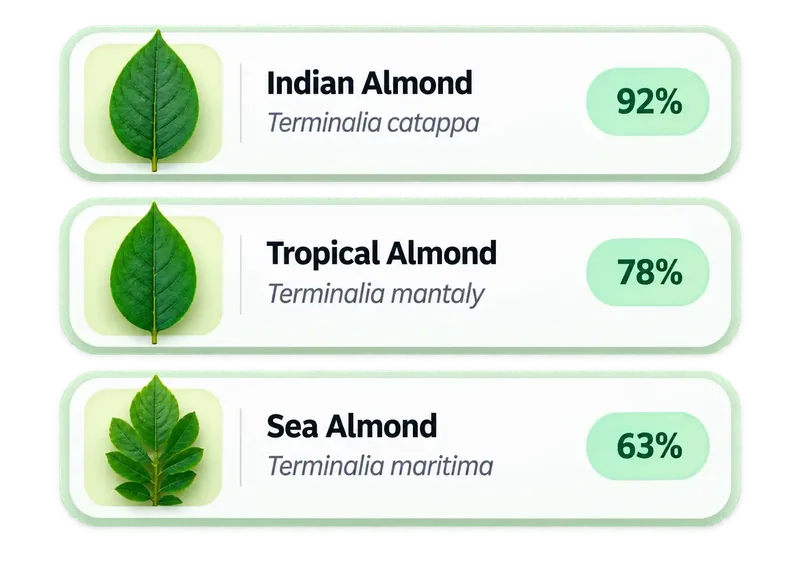
The system suggests likely common and scientific names that fit the visible evidence.
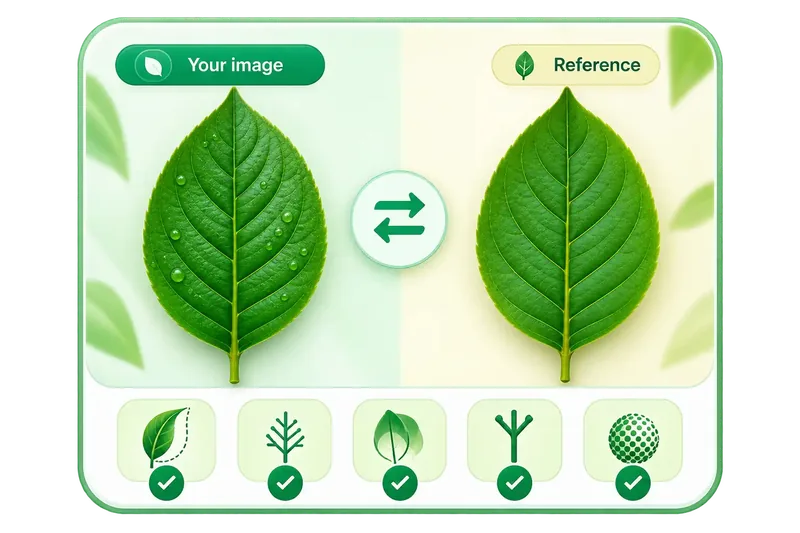
Use plant profiles, images and distinguishing traits to compare the suggested taxa.
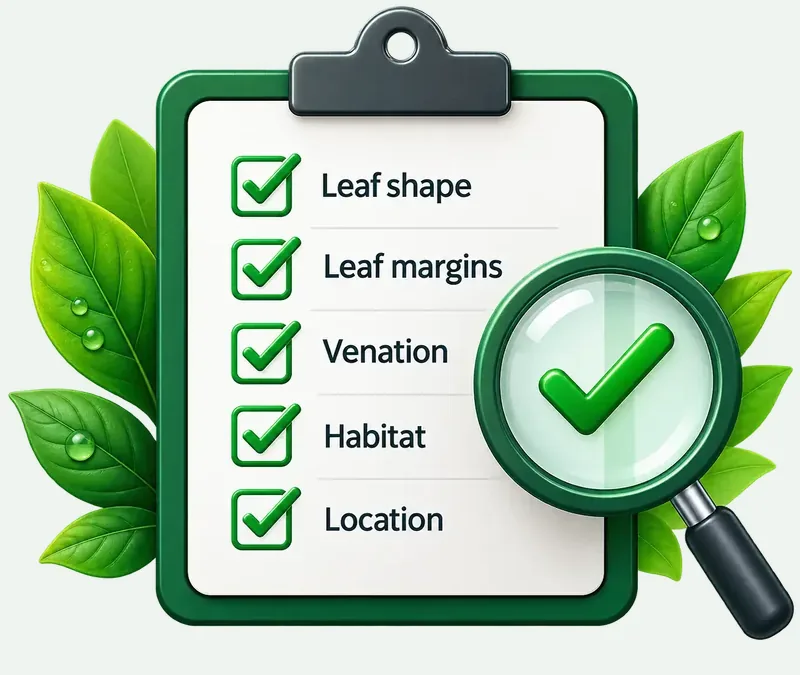
Check multiple features, location and another image before treating the result as confirmed.
Transparent identification
Identification quality depends on image sharpness, how distinctive the leaf is, the plant's life stage, seasonal changes, cultivars and similarity between related species. Some plants cannot be reliably separated from leaves alone.
Verification checklist
Safety note: Do not rely only on automated identification before eating, handling or using a plant where a mistake could cause harm. Seek qualified expert confirmation when safety matters.
Real examples
These common plants show how leaf structure can provide fast visual clues.
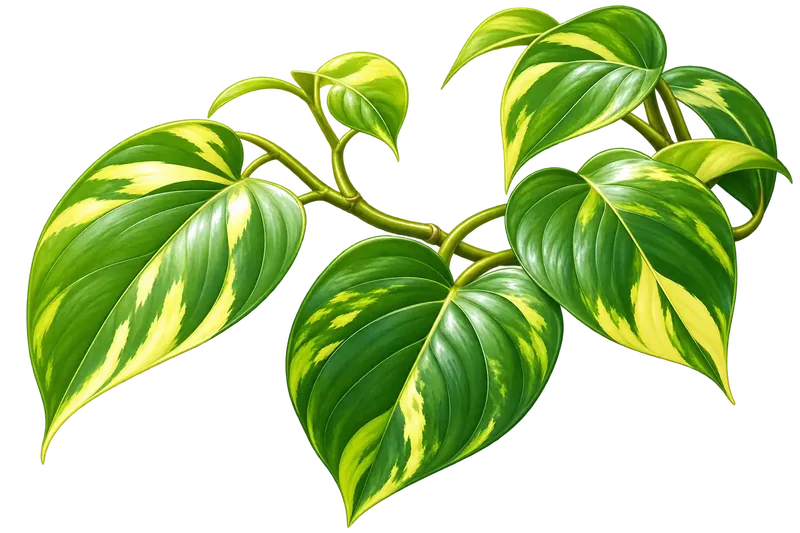
Heart-shaped leaves, often with yellow or pale variegation.
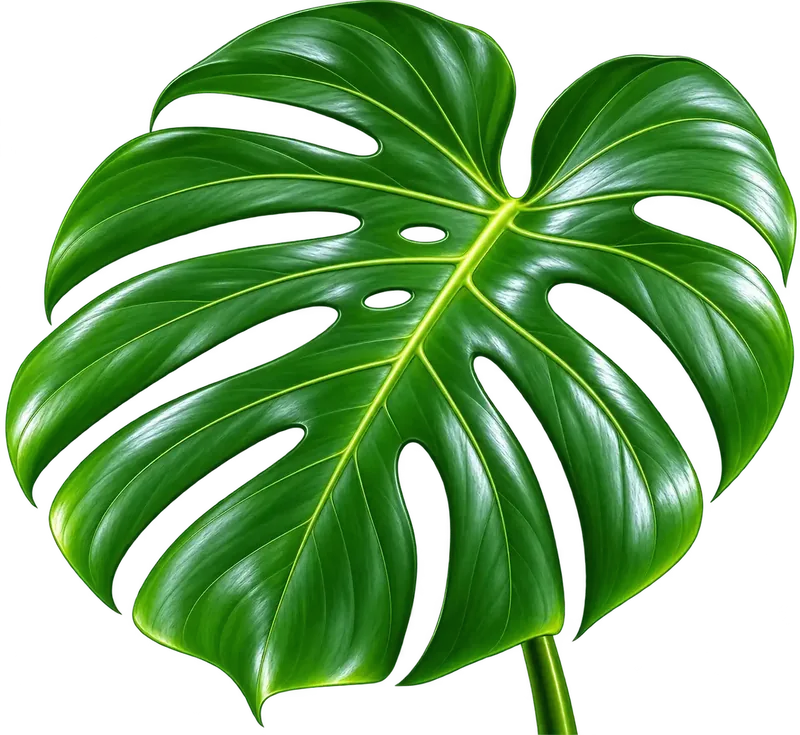
Large leaves develop characteristic splits and fenestrations.
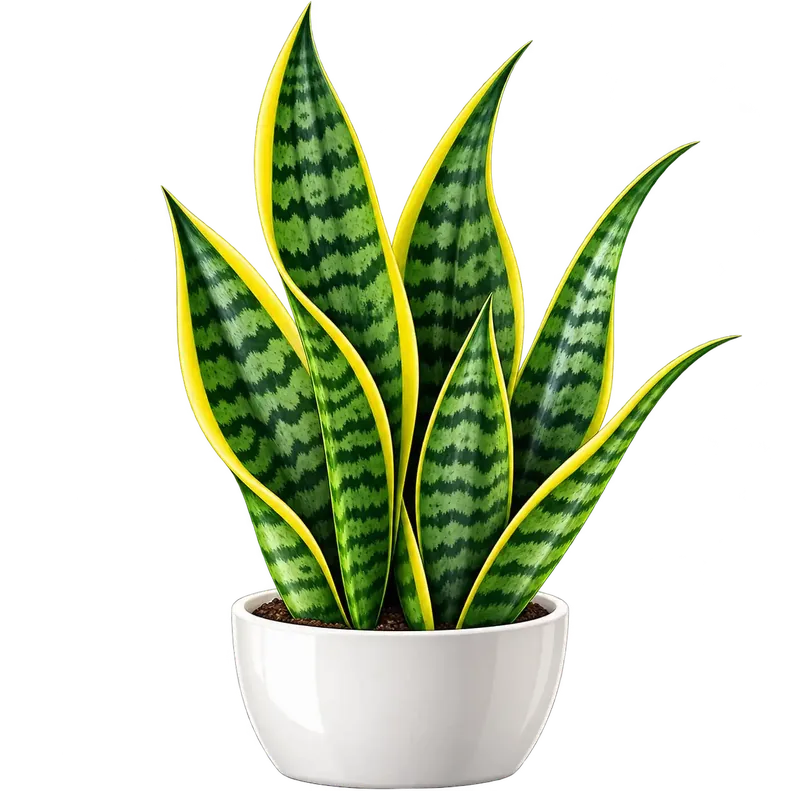
Upright, sword-shaped leaves with banded patterns.
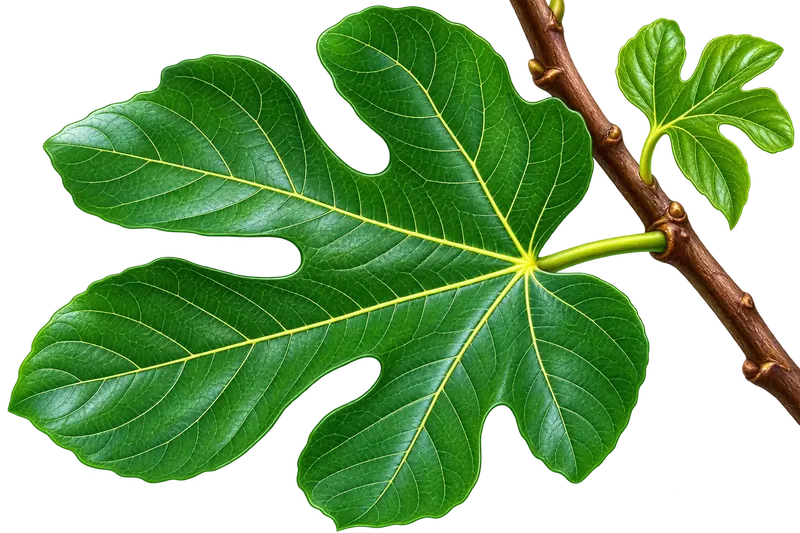
Broad leaves with prominent deep lobes and palmate veins.
Browser-based tool
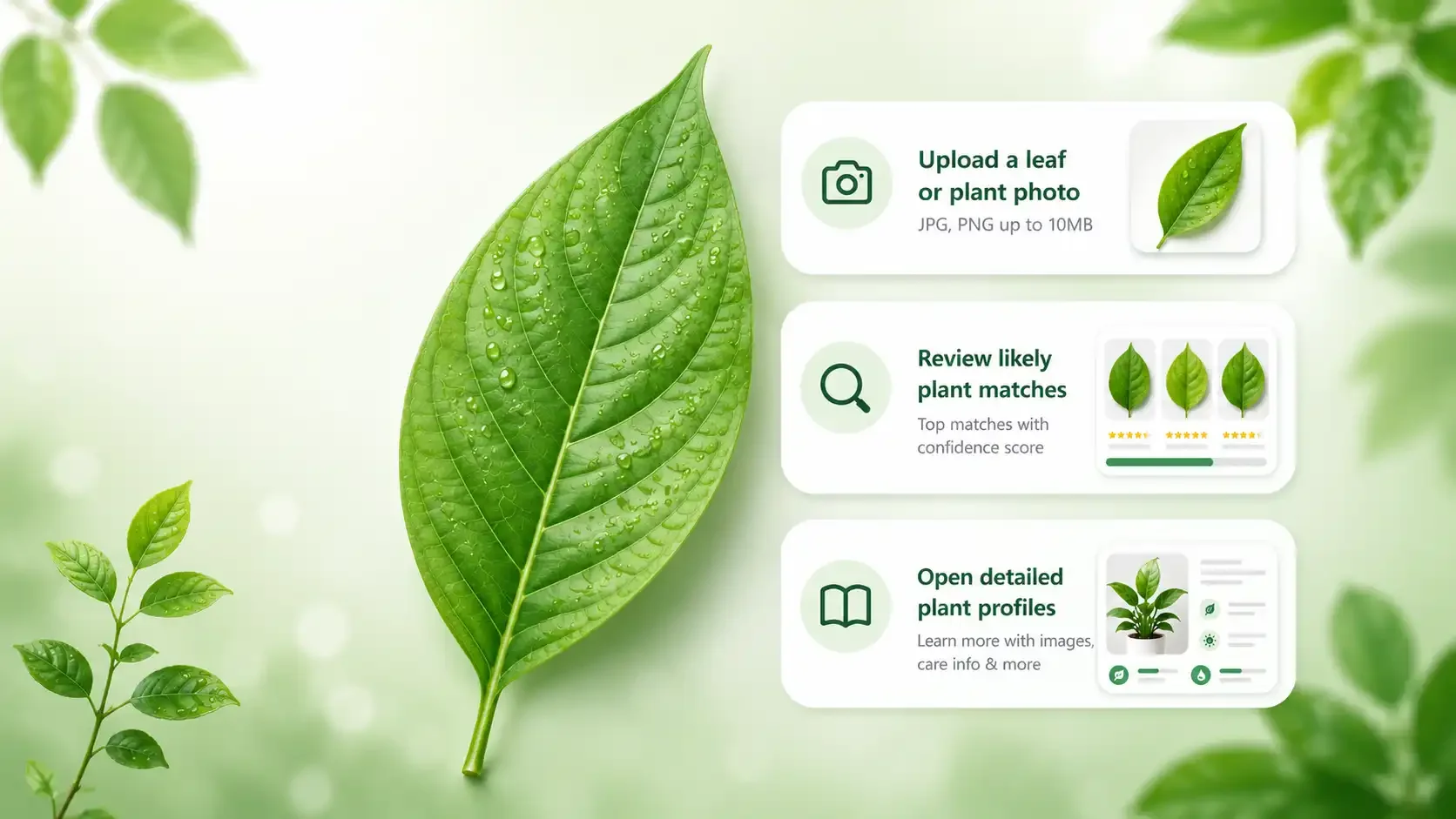
ePlant AI works as a browser-based plant identification website, so you can upload a leaf or plant image and review likely matches without installing additional software.
Plant identification questions
Start with leaf shape, margins, veins, arrangement, texture and the way the leaf attaches to the stem. Then compare flowers, fruit, bark, growth habit and location when possible.
A clear leaf can provide useful clues and may produce likely matches, especially when the leaf is distinctive. Similar species may require additional photos or other plant structures for a stronger identification.
Useful features include overall shape, edge type, venation, simple or compound structure, opposite or alternate arrangement, surface texture, leaf base, tip and petiole.
Compare the leaf with common shape groups such as oval, heart-shaped, lance-shaped, lobed or needle-like, then combine that observation with margins, veins and arrangement.
Often yes, especially when leaves, bark, stems or growth habit are distinctive. Some closely related plants cannot be confidently separated until flowers or fruit are visible.
Related species can share many leaf characteristics, and unrelated plants may also evolve similar shapes. Geographic range, stem structure, flowers, fruit and multiple images help separate lookalikes.
Yes. Leaf characteristics are useful across many plant groups, but trees may also require bark and buds, while weeds may be easier to separate using stem hairs, leaf arrangement and growth habit.
Accuracy varies with photo quality, the uniqueness of visible traits and similarity between species. Treat an automated result as a likely match and verify it with additional characteristics.
Use bright, even light and capture the complete leaf in sharp focus. Include its edges, veins, tip and base, and add another image of the full plant or stem attachment when possible.
Ready to compare?
Upload a clear leaf or plant photo and compare likely plant matches, scientific names and visible identification traits.