Water
Water regularly during the growing season, especially when young. Allow the soil to dry slightly between waterings. Reduce watering in autumn and provide minimal water during winter dormancy.
Ensure good drainage to prevent root rot.
Also known as Alpine Anemone
Alpine Pasqueflower (Pulsatilla alpina) is a beautiful, low-growing perennial with striking star-shaped, white to yellow flowers, blooming in spring on rocky alpine meado
At-a-glance light, water, soil, and growing conditions from plant data
Full Sun to Partial Shade
75% intensity
Prefers a sunny location but can tolerate light shade.
Moderate
50% intensity
Allow soil to dry slightly between waterings; reduce in fall/winter.
Well-drained
50% intensity
Cold Hardy
25% intensity
Prefers cool conditions; thrives in alpine environments.
Low
25% intensity
Light feeding in spring, avoid over-fertilizing.
Safety information from plant toxicity data
| Attribute | Value |
|---|---|
| Toxic for humans | No 0/5 intensity |
| Toxic for pets | No 0/5 intensity |
| Edible | No |
Non-toxic
Key traits and growing stats from plant data
Watering, pruning, propagation, and repotting details from plant data
Water regularly during the growing season, especially when young. Allow the soil to dry slightly between waterings. Reduce watering in autumn and provide minimal water during winter dormancy.
Ensure good drainage to prevent root rot.
Pruning is not typically required for Pulsatilla alpina. Dead or faded flower stalks can be removed after flowering to improve the plant's appearance.
Avoid cutting back foliage until it has naturally died back in late autumn or winter, as it provides winter protection.
Propagate by seed sown in autumn or early spring, preferably in a cold frame or unheated greenhouse. Fresh seeds germinate best.
Division of established clumps is also possible in early spring, but care must be taken as they have sensitive roots.
Repotting is infrequent. Young plants may benefit from repotting every 1-2 years to refresh soil and provide more space, preferably in early spring.
Mature plants are best left undisturbed as they dislike root disturbance. Ensure a well-draining compost mix.
Identify plants like this with ePlant AI
Snap a photo to get care tips and match similar species on the go.
Monthly activity intensity for bloom and fruit across both hemispheres.
Flowering & fruiting calendar
Flowering & fruiting calendar
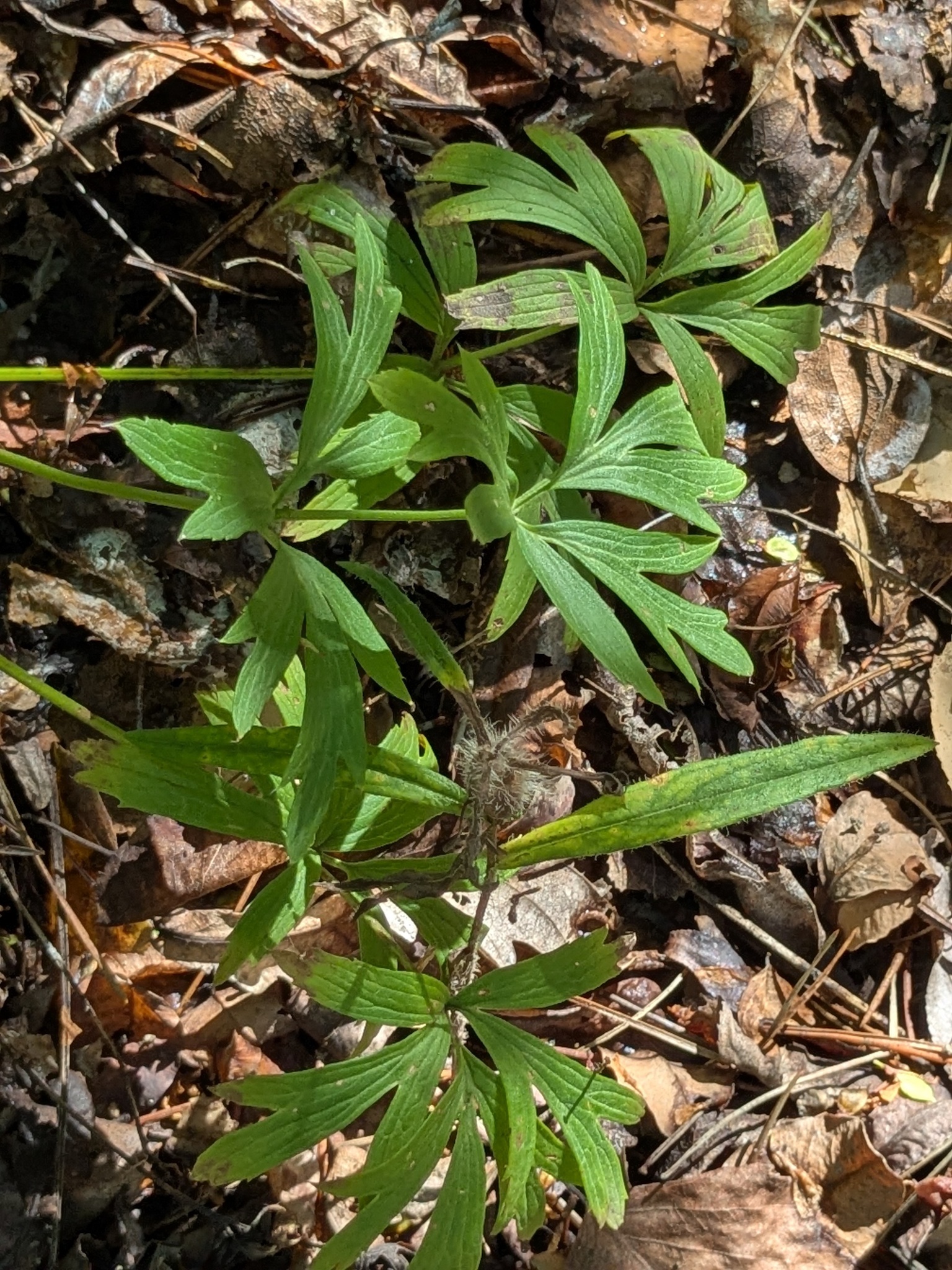
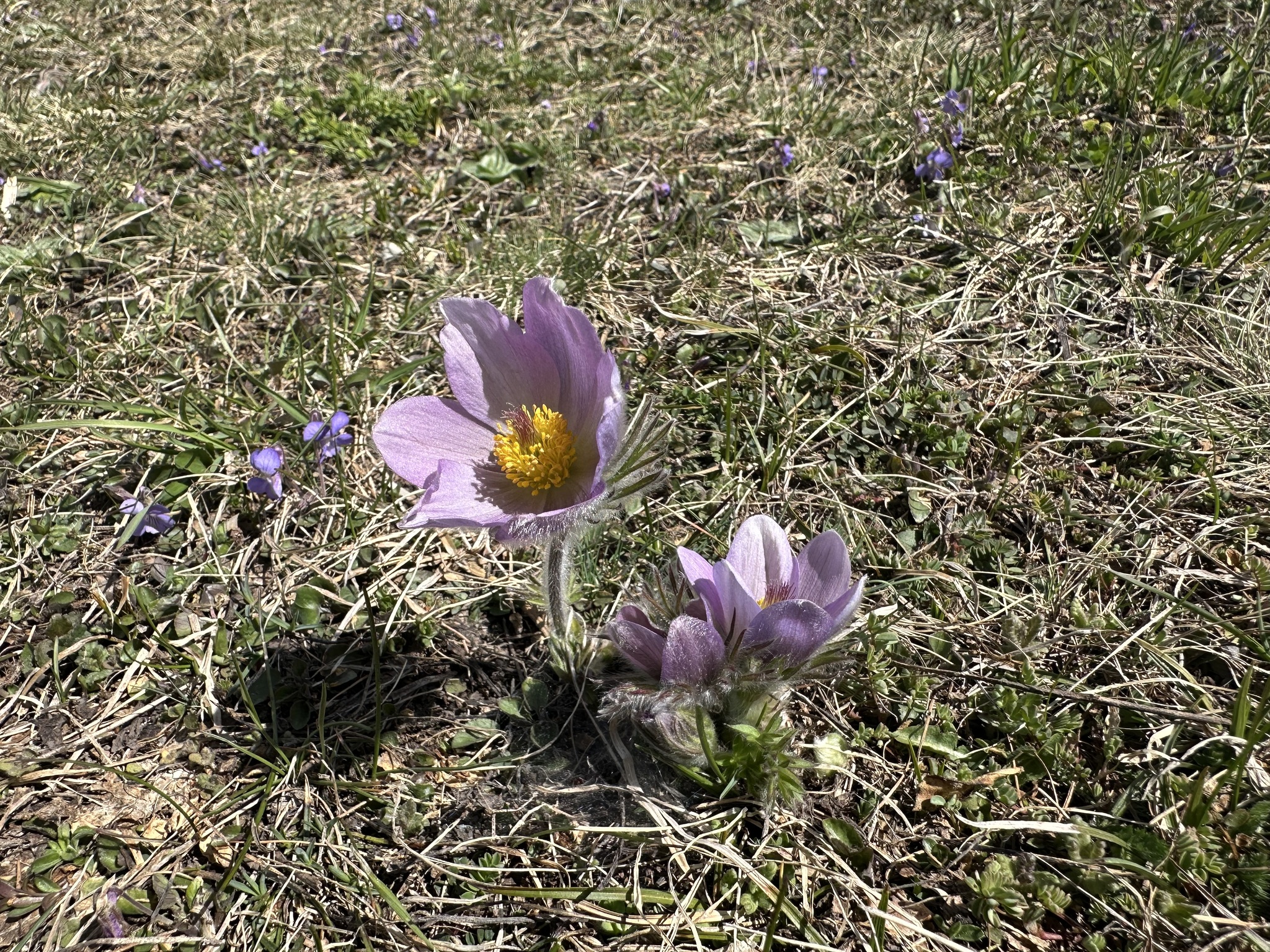
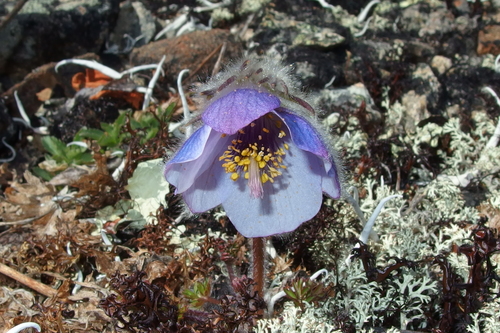
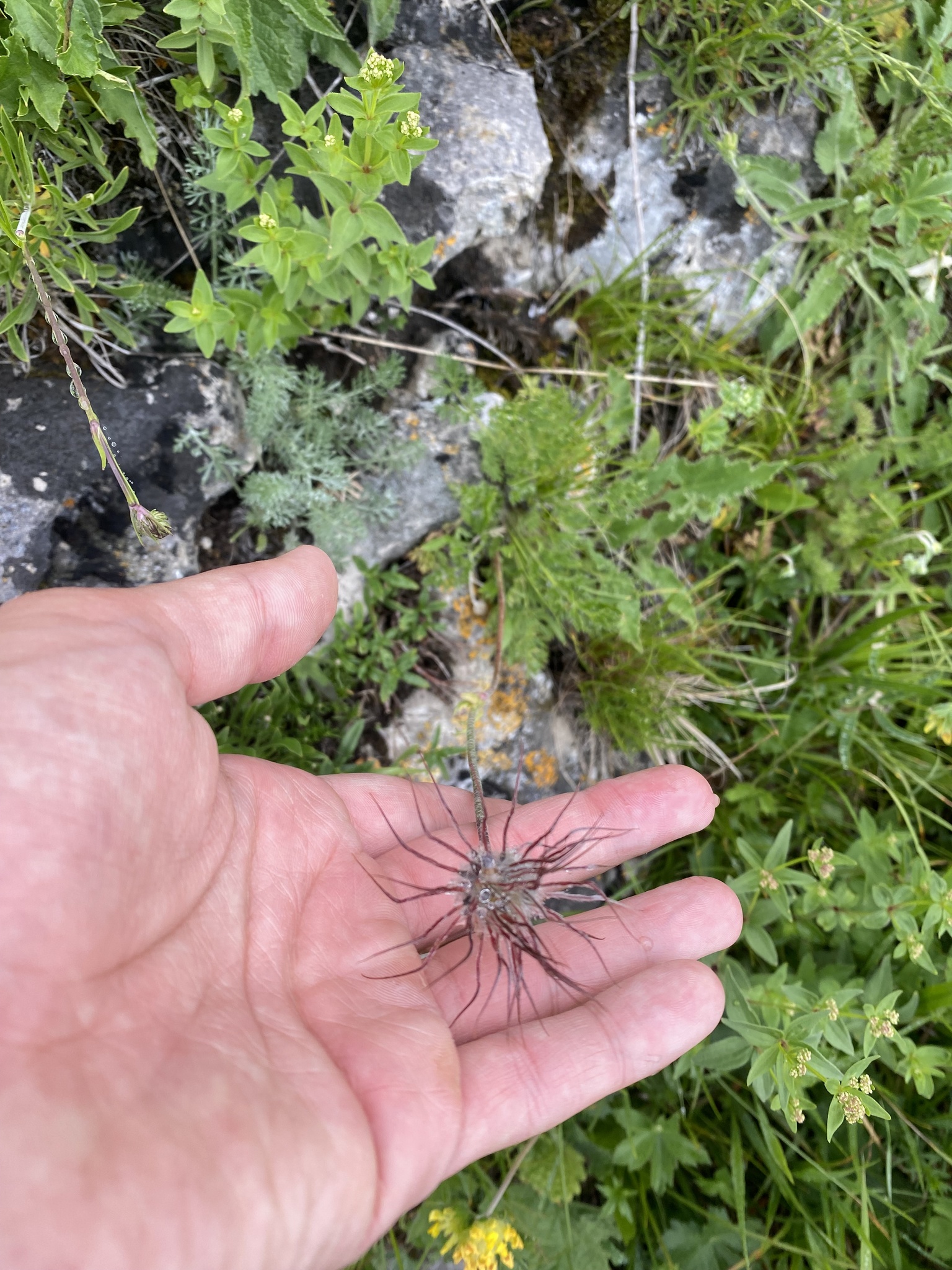
Photos of Alpine Pasqueflower (Pulsatilla alpina)
Common names and botanical synonyms
Botanical classification
| Rank | Name |
|---|---|
| Kingdom | Plantae |
| Division | Tracheophyta |
| Class | Magnoliopsida |
| Order | Ranunculales |
| Family | Ranunculaceae |
| Genus | Pulsatilla |
| Species | Pulsatilla alpina |
Similar in genus Pulsatilla
Answers based on plant encyclopedia data