Water
Water consistently, especially during dry spells, but avoid waterlogged soil. Allow the top 2-3 cm of soil to dry out between waterings. Reduce watering in cooler months when growth slows.
Ensure good drainage to prevent root rot.
Also known as American Sneezeweed · Bitter Sneezeweed · Five-Leaf Sneezeweed
Safety note: This plant may be toxic to humans and pets. See toxicity details.
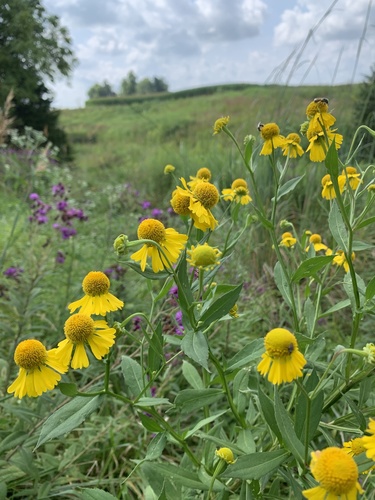
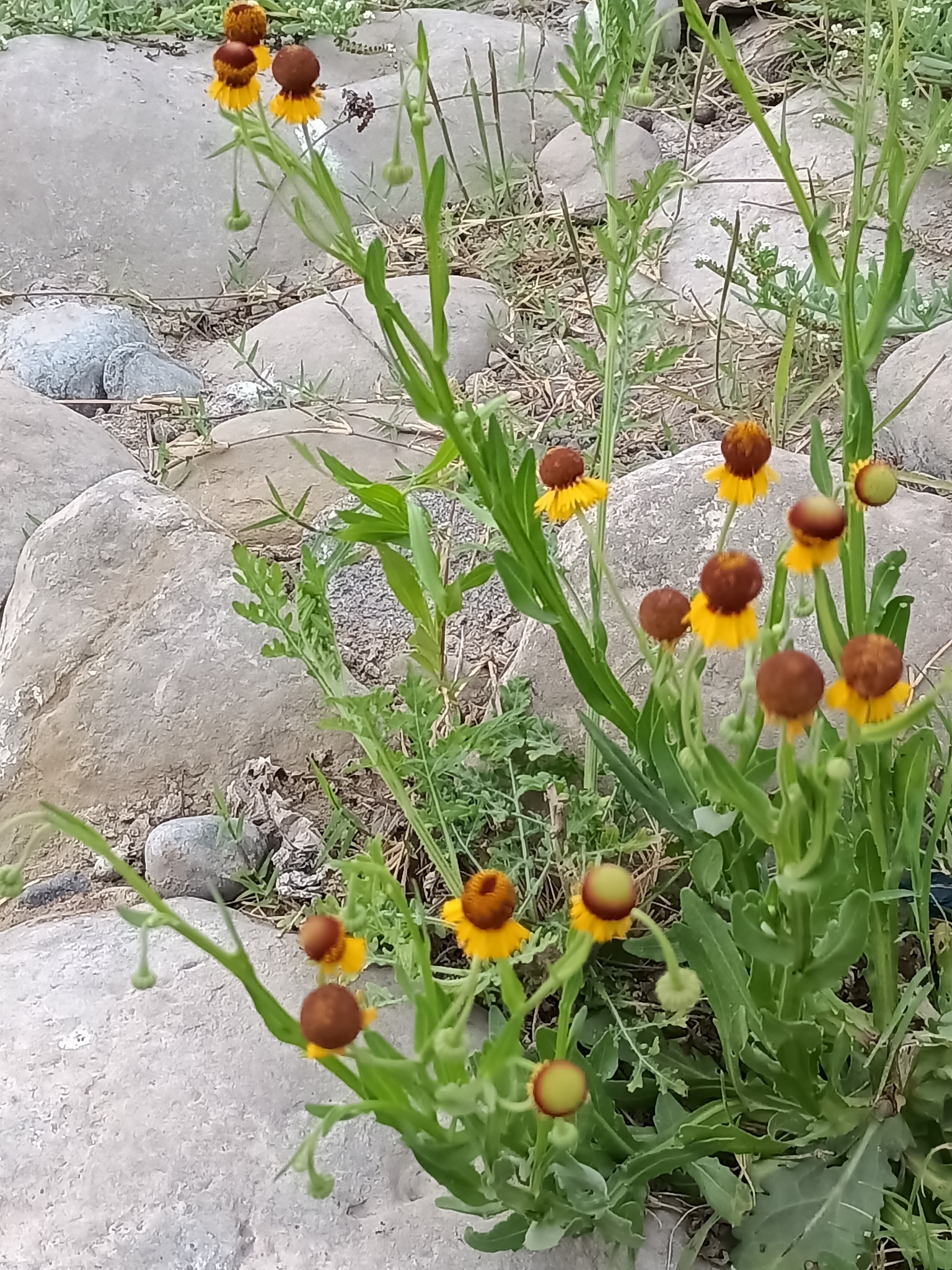
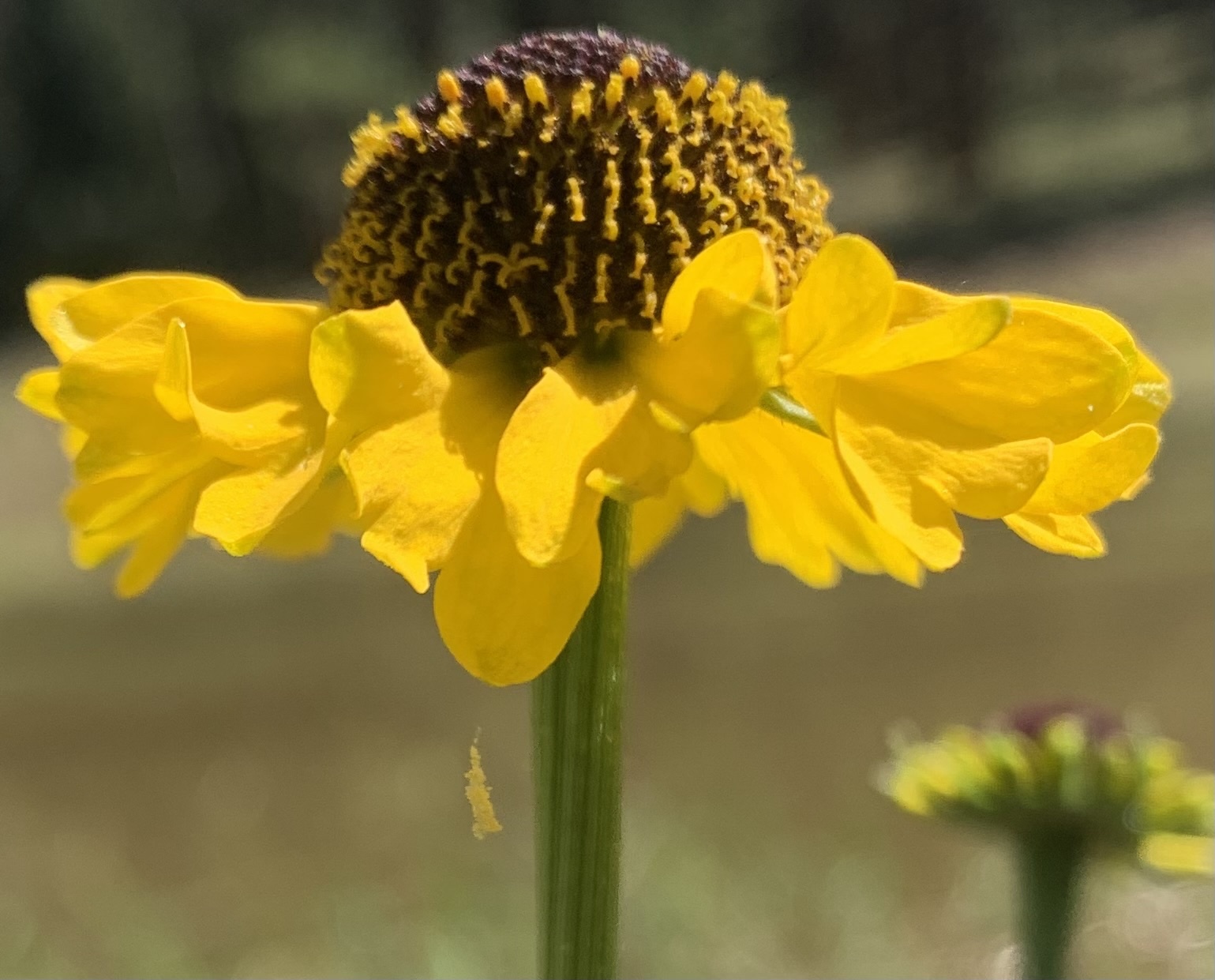
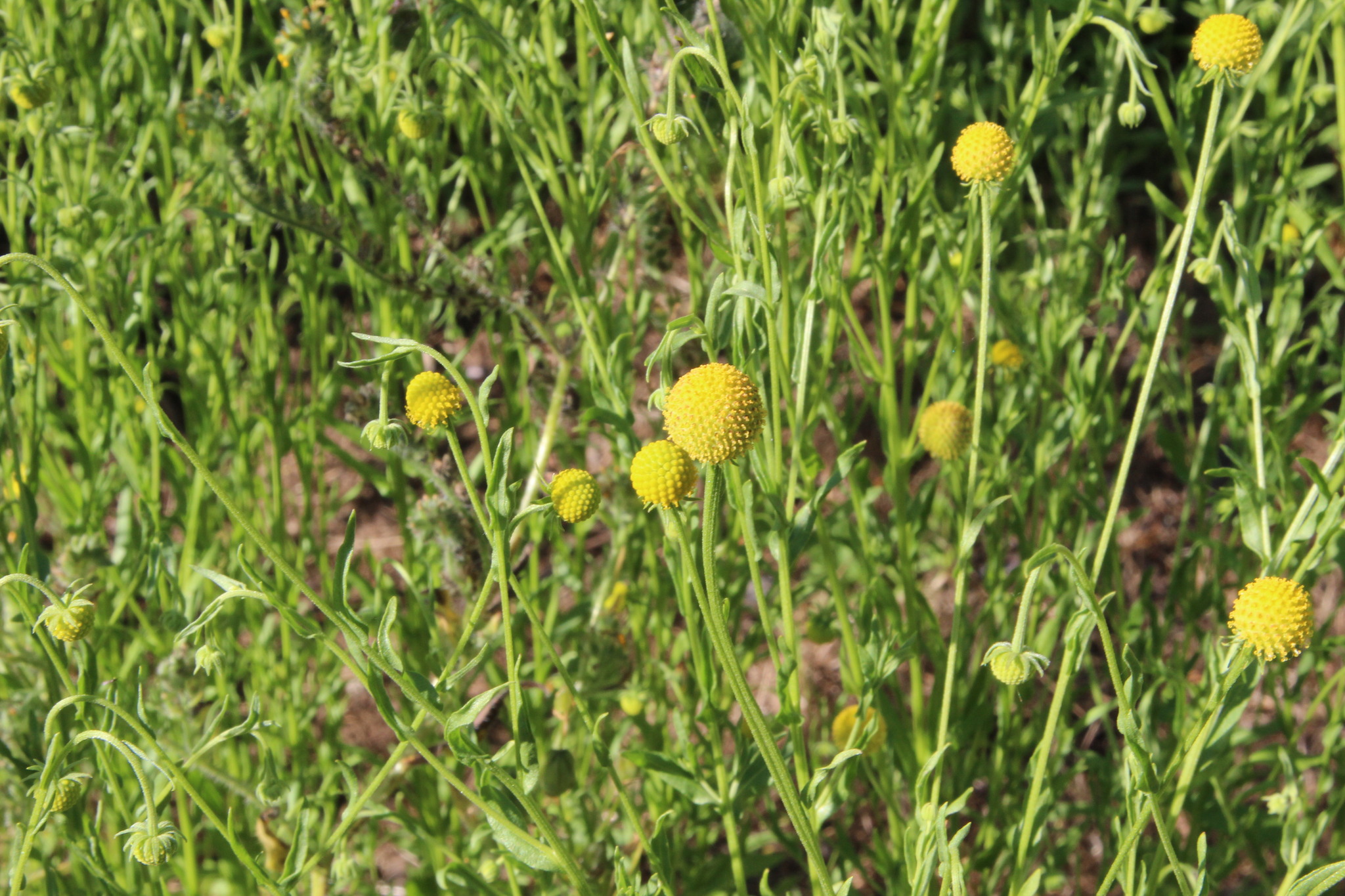
Bitterweed (Helenium amarum) is a spindly annual herb native to North America, recognized by its small, daisy-like yellow flowers and bitter taste.
At-a-glance light, water, soil, and growing conditions from plant data
Full Sun
100% intensity
Requires at least 6-8 hours of direct sunlight daily for optimal flowering.
Moderate
50% intensity
Keep soil consistently moist but well-drained. Avoid prolonged dryness or waterlogging.
Well-drained, sandy or loamy
50% intensity
Moderate
50% intensity
Prefers average room temperatures and is relatively hardy, but may not survive harsh frosts.
Low
25% intensity
Benefits from a light feeding of balanced fertilizer in spring; over-fertilizing can reduce blooms.
Safety information from plant toxicity data
| Attribute | Value |
|---|---|
| Toxic for humans | Yes 5/5 intensity |
| Toxic for pets | Yes 5/5 intensity |
| Edible | No |
Contains sesquiterpene lactones which can cause photosensitization and other health issues in livestock and potentially humans.
Key traits and growing stats from plant data
Watering, pruning, propagation, and repotting details from plant data
Water consistently, especially during dry spells, but avoid waterlogged soil. Allow the top 2-3 cm of soil to dry out between waterings. Reduce watering in cooler months when growth slows.
Ensure good drainage to prevent root rot.
Deadheading spent flowers encourages more blooms and maintains a tidy appearance. Cut back plants in late fall or early spring to remove dead or weak stems and to encourage vigorous new growth.
This also helps prevent self-seeding.
Propagate by seed sown in spring or early summer, or by division of established clumps in spring. Seeds can be sown directly into the garden after the last frost or started indoors a few weeks prior.
Division is a reliable method for maintaining parent plant characteristics.
Helenium amarum is not typically a plant that requires frequent repotting as it is often grown as an annual or short-lived perennial. If grown in containers, repot into a slightly larger pot with fresh potting mix every 1-2 years in spring, if root-bound.
Identify plants like this with ePlant AI
Snap a photo to get care tips and match similar species on the go.
Monthly activity intensity for bloom and fruit across both hemispheres.
Flowering & fruiting calendar
Flowering & fruiting calendar
Photos of Bitterweed (Helenium amarum)
Common names and botanical synonyms
Botanical classification
| Rank | Name |
|---|---|
| Kingdom | Plantae |
| Division | Tracheophyta |
| Class | Magnoliopsida |
| Order | Asterales |
| Family | Asteraceae |
| Genus | Helenium |
| Species | Helenium amarum |
Similar in genus Helenium
Answers based on plant encyclopedia data