Water
Water regularly, especially during dry periods. Allow the top 2-5 cm of soil to dry out between waterings. Avoid waterlogged conditions, as this can lead to root rot.
Reduce watering in cooler months when the plant's growth slows down.
Also known as Argentina Cocklebur · Bathurst Burr · Bathurst-Bur
Safety note: This plant may be toxic to humans and pets. See toxicity details.
Spiny Cocklebur (Xanthium spinosum) is an invasive annual herb known for its spiny burs and potential toxicity to livestock. It thrives in disturbed habitats.
At-a-glance light, water, soil, and growing conditions from plant data
Full Sun
100% intensity
Prefers at least 6 hours of direct sunlight daily for optimal growth.
Moderate
50% intensity
Allow soil to dry slightly between waterings. Ensure good drainage.
Well-drained, adaptable to various soil types
50% intensity
Warm
75% intensity
Thrives in warm temperatures, typically between 18-30°C.
Low
25% intensity
Fertilize sparingly during the growing season. Avoid over-fertilization.
Safety information from plant toxicity data
| Attribute | Value |
|---|---|
| Toxic for humans | Yes 5/5 intensity |
| Toxic for pets | Yes 5/5 intensity |
| Edible | No |
All parts of the plant are toxic, especially the seeds.
Key traits and growing stats from plant data
Watering, pruning, propagation, and repotting details from plant data
Water regularly, especially during dry periods. Allow the top 2-5 cm of soil to dry out between waterings. Avoid waterlogged conditions, as this can lead to root rot.
Reduce watering in cooler months when the plant's growth slows down.
Pruning is generally not required for aesthetic reasons. However, prune to remove any dead, damaged, or diseased branches. If the plant becomes too dense, light pruning can improve air circulation.
Wear gloves as the plant can be spiny.
Propagated by seeds. Sow seeds in spring after the last frost. Seeds may require scarification or stratification to improve germination rates. Ensure seeds are collected from healthy plants and are viable.
Repotting is usually not necessary unless the plant is severely root-bound or being transplanted. If repotting, choose a pot with adequate drainage and use a well-draining soil mix.
Repot in spring before new growth begins.
Identify plants like this with ePlant AI
Snap a photo to get care tips and match similar species on the go.
Monthly activity intensity for bloom and fruit across both hemispheres.
Flowering & fruiting calendar
Flowering & fruiting calendar
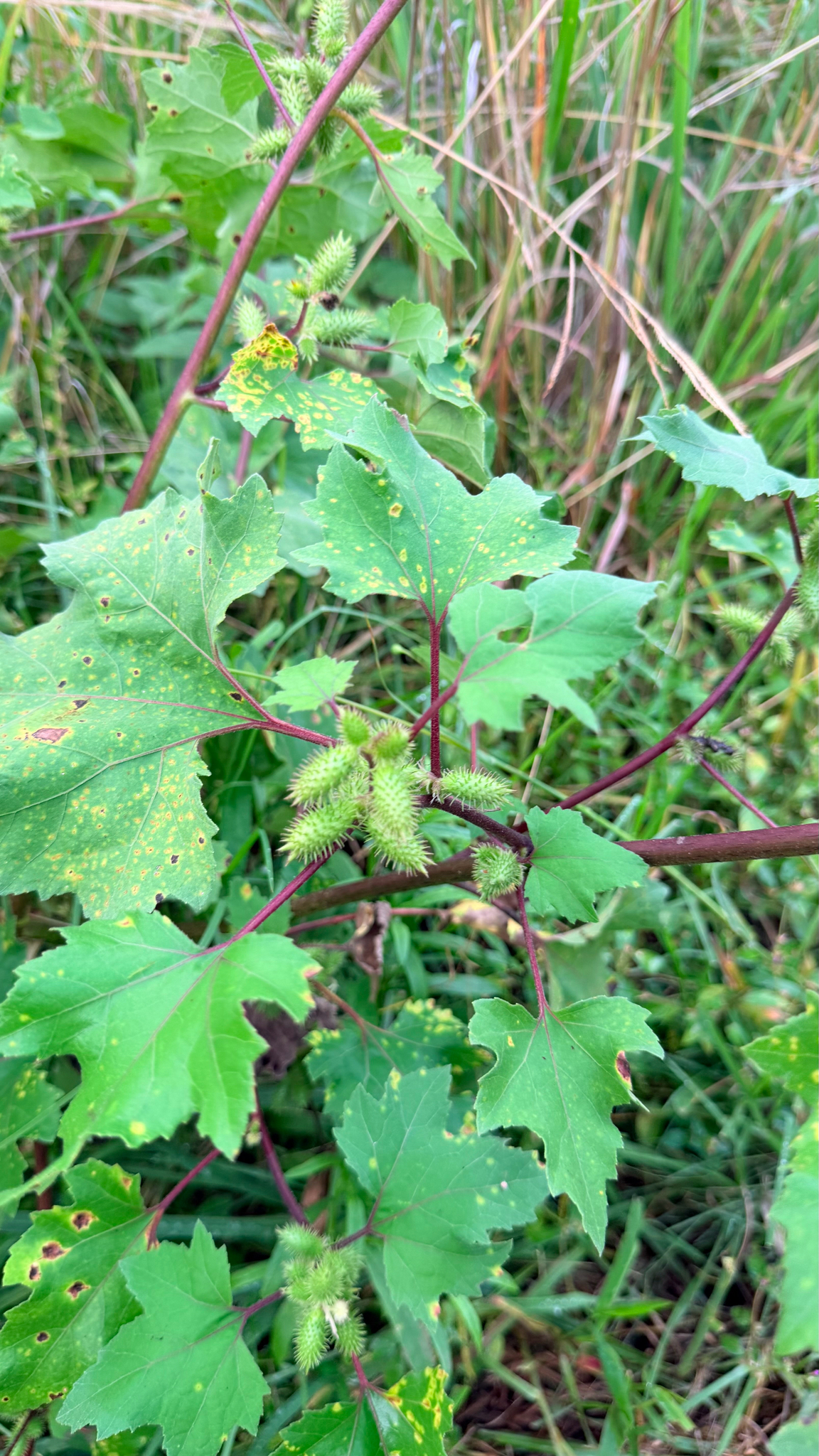
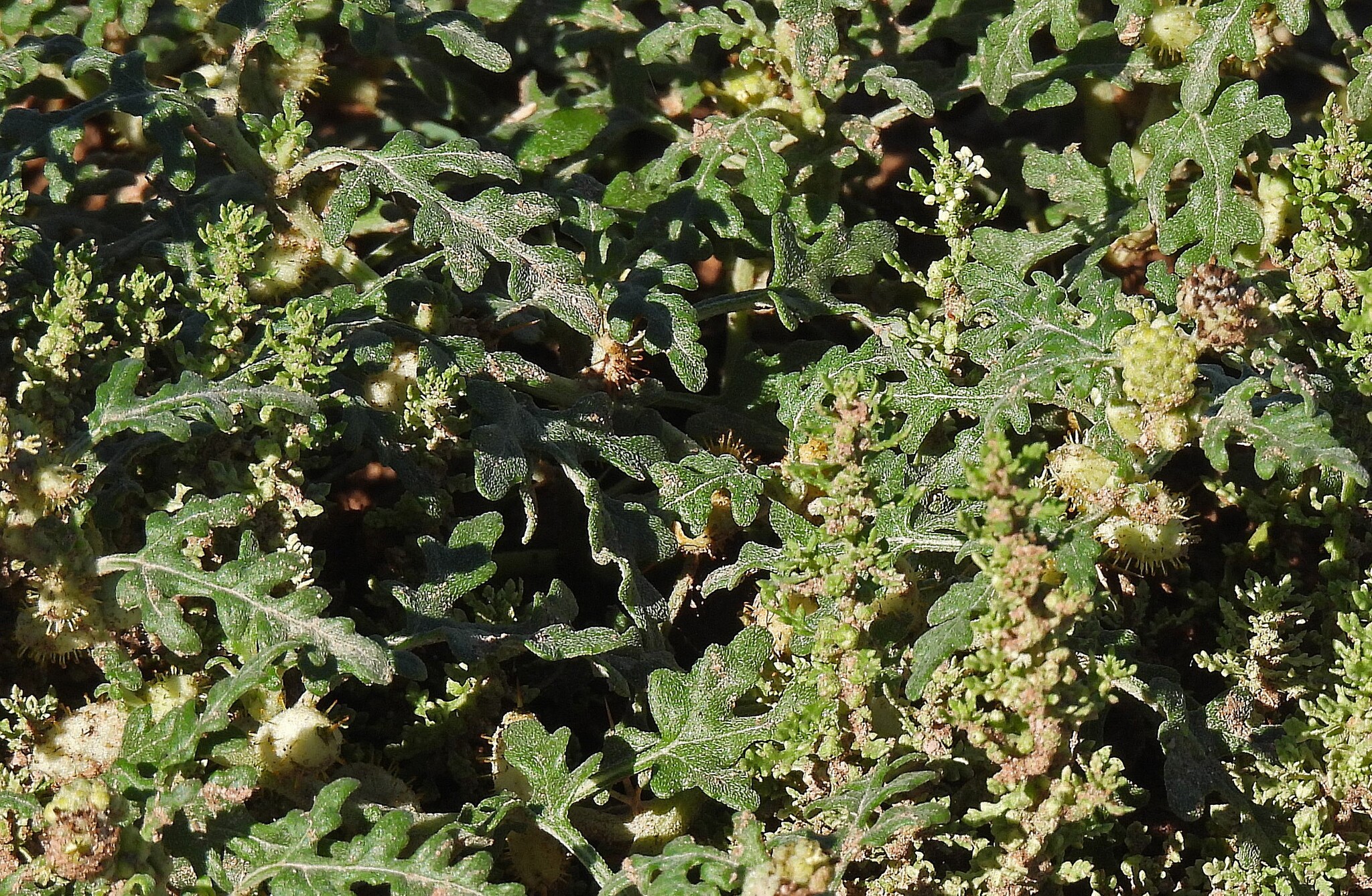
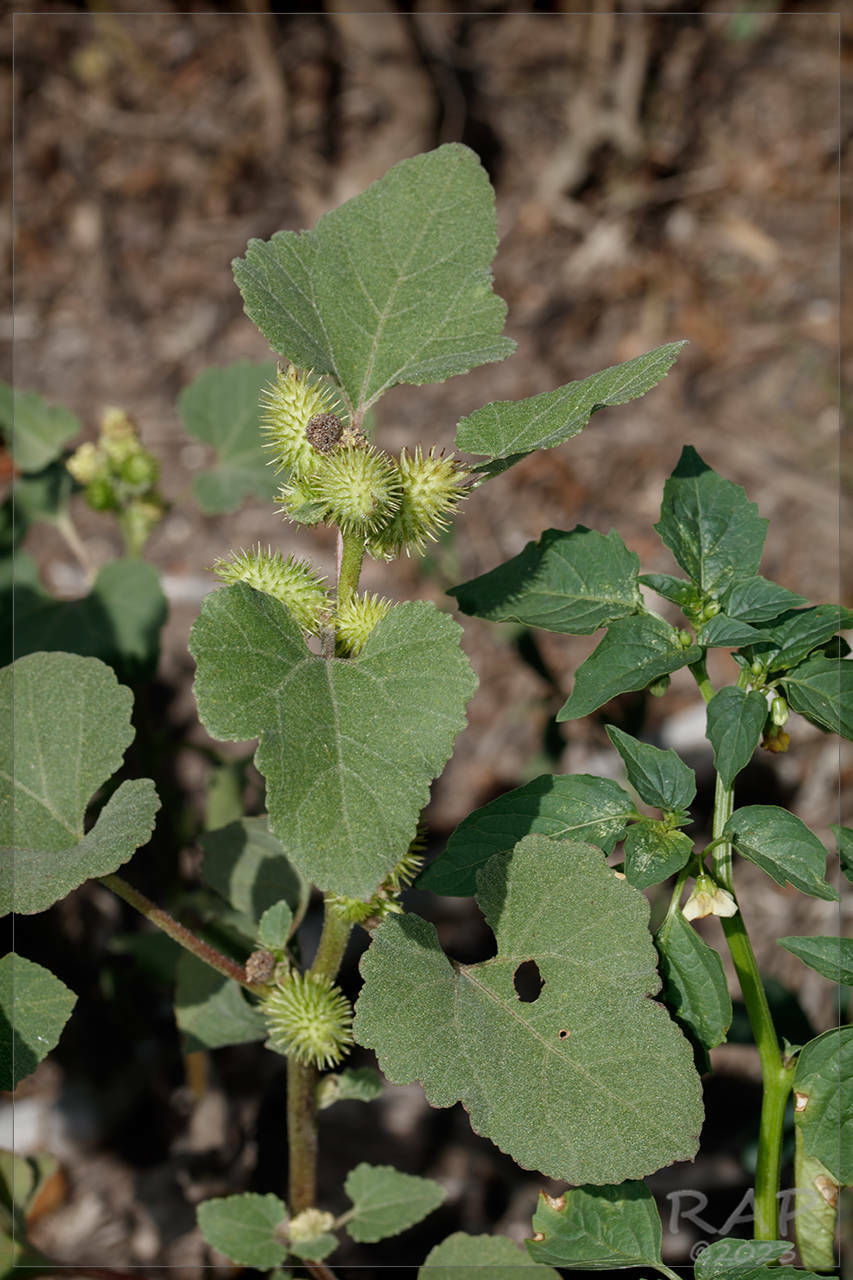
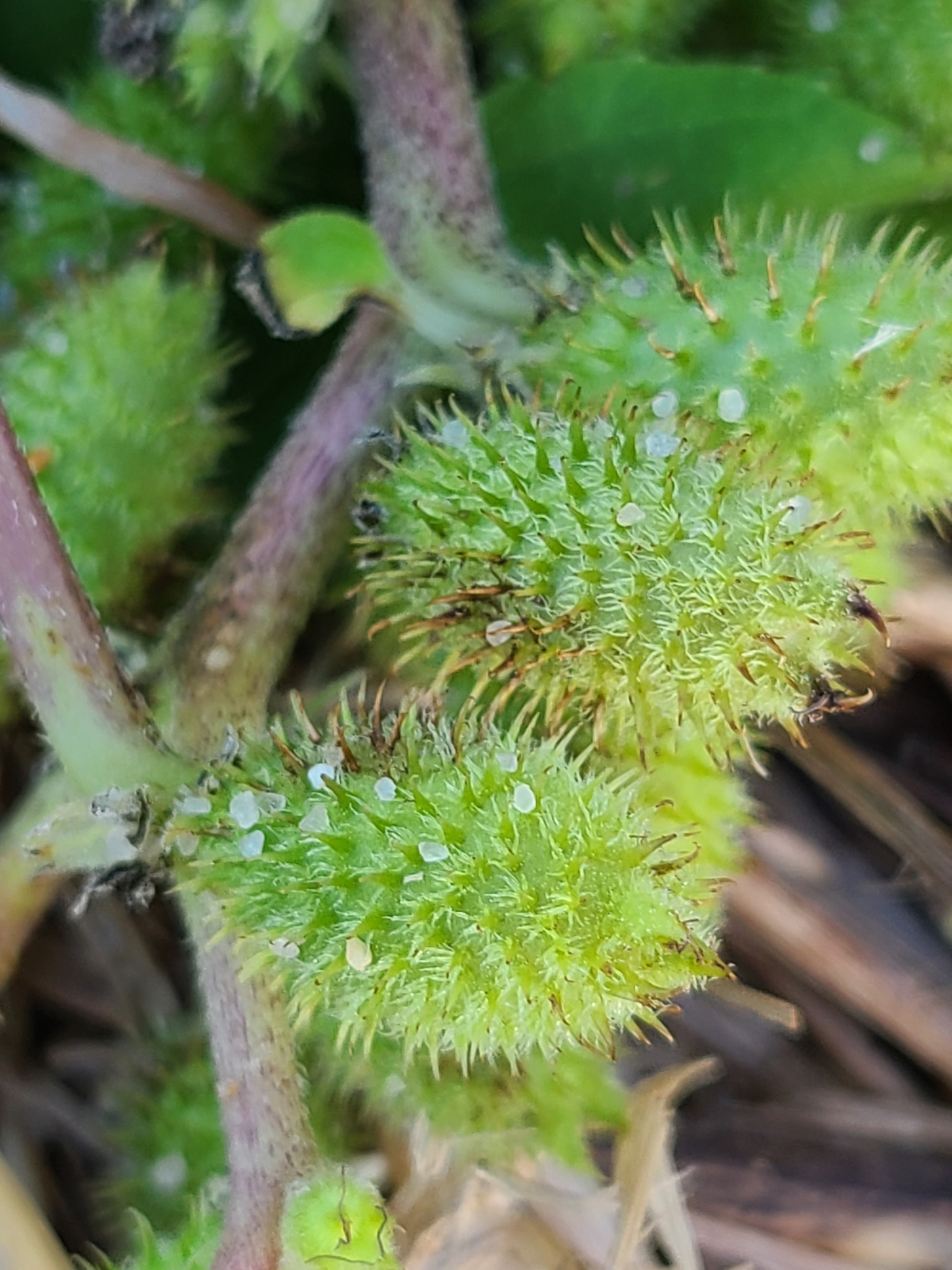
Photos of Spiny Cocklebur (Xanthium spinosum)
Where Spiny Cocklebur (Xanthium spinosum) is found

Density
Tap map to explore
Common names and botanical synonyms
Botanical classification
| Rank | Name |
|---|---|
| Kingdom | Plantae |
| Division | Tracheophyta |
| Class | Magnoliopsida |
| Order | Asterales |
| Family | Asteraceae |
| Genus | Xanthium |
| Species | Xanthium spinosum |
Similar in genus Xanthium
Answers based on plant encyclopedia data