Water
Water tansy regularly during the growing season, especially in dry periods. Allow the soil to dry slightly between waterings. Reduce watering in autumn and winter.
Good drainage is crucial to prevent root rot, so avoid waterlogged conditions.
Also known as Bitter Buttons · Common Golden Buttons · Common Tansy
Safety note: This plant may be toxic to humans and pets. See toxicity details.
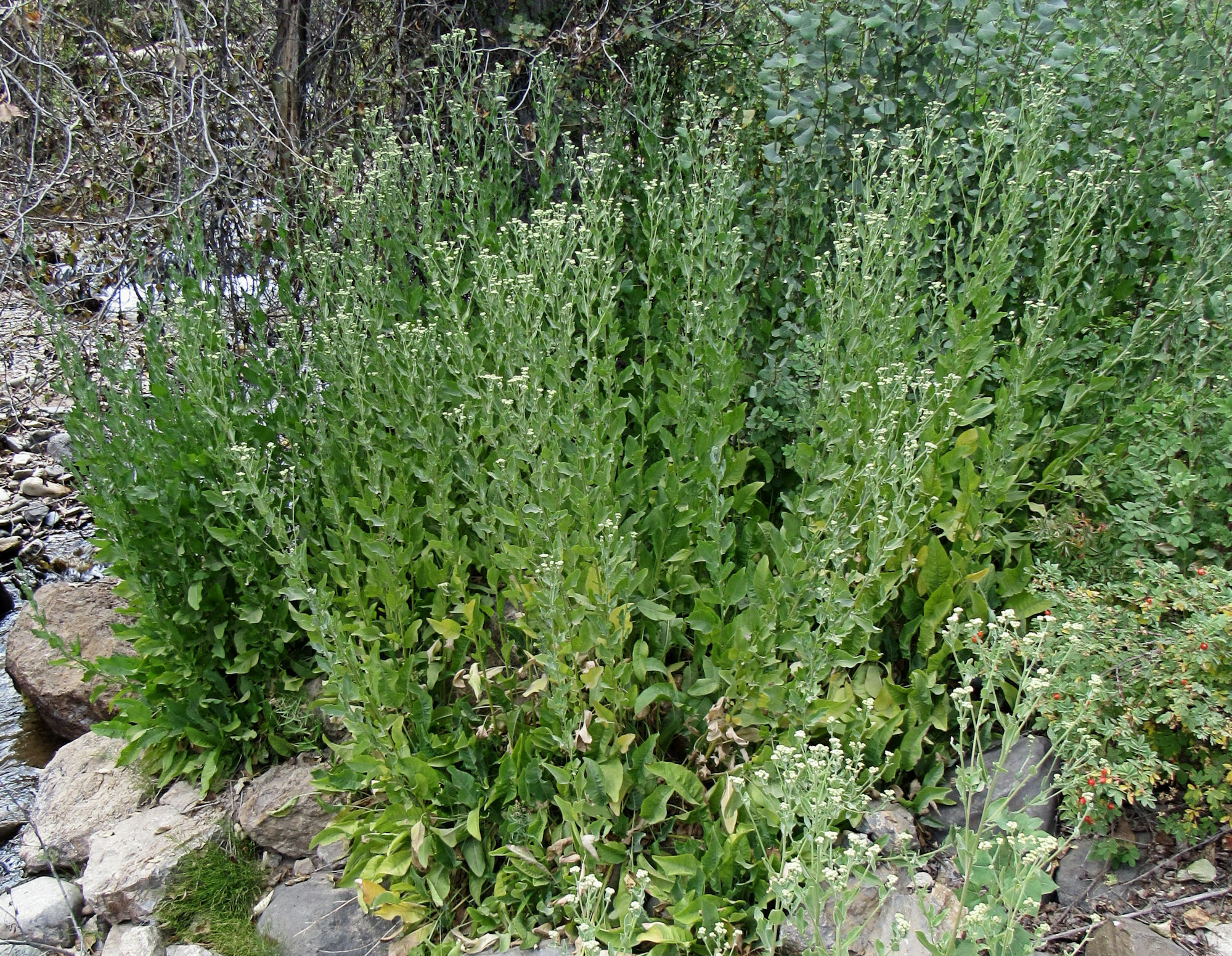
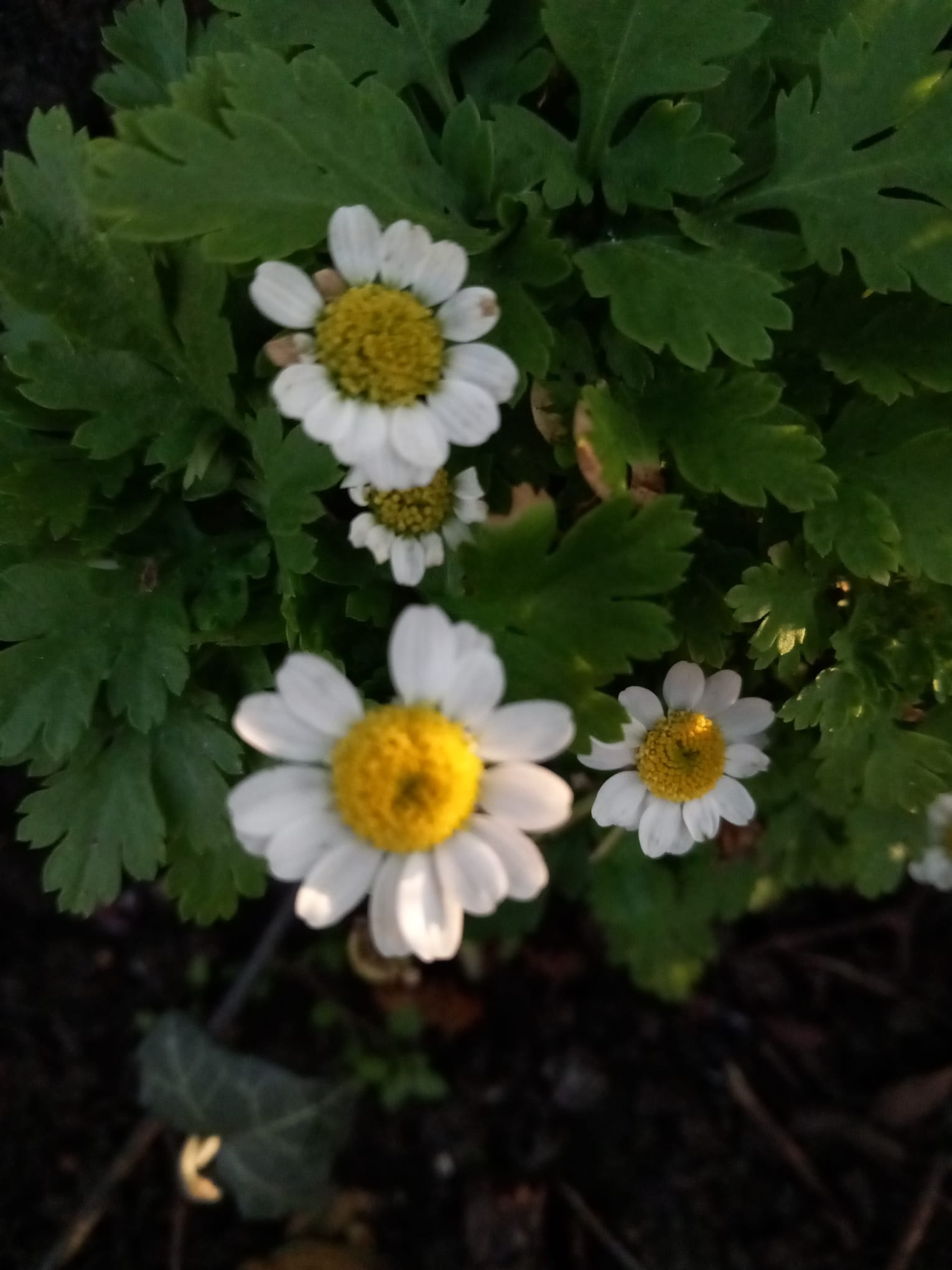
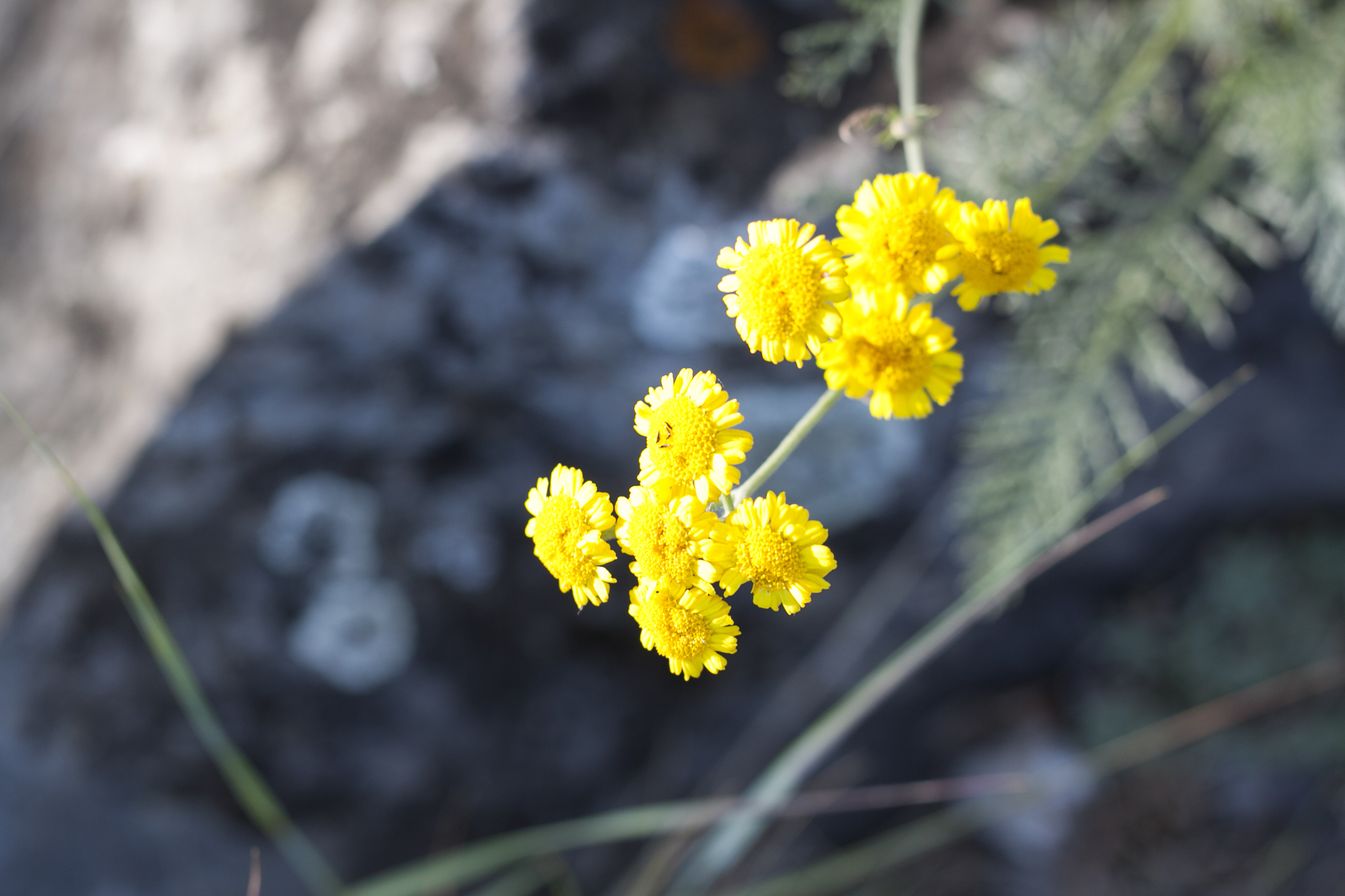
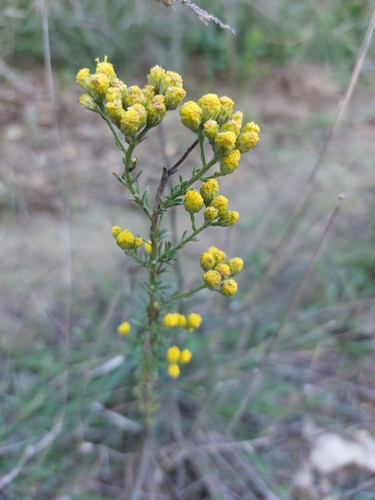
Tansy (Tanacetum vulgare) is a perennial herb with fern-like leaves and bright yellow, button-like flowers. It has a strong aromatic scent and can spread vigorously.
At-a-glance light, water, soil, and growing conditions from plant data
Full Sun
100% intensity
Prefers at least 6-8 hours of direct sunlight per day for best flowering and compact growth.
Moderate
50% intensity
Water when the top inch of soil feels dry. Ensure good drainage.
Well-drained, sandy loam, clay loam
50% intensity
Hardy
25% intensity
Tolerates a wide range of temperatures and is cold-hardy. Protect young plants from extreme frost.
Low
25% intensity
Does not require heavy feeding. Over-fertilizing can reduce flowering. Use sparingly.
Safety information from plant toxicity data
| Attribute | Value |
|---|---|
| Toxic for humans | Yes 5/5 intensity |
| Toxic for pets | Yes 5/5 intensity |
| Edible | No |
Contains thujone, which can be toxic if ingested in large quantities. Causes nausea, vomiting, dizziness, and in severe cases, convulsions and paralysis.
Key traits and growing stats from plant data
Watering, pruning, propagation, and repotting details from plant data
Water tansy regularly during the growing season, especially in dry periods. Allow the soil to dry slightly between waterings. Reduce watering in autumn and winter.
Good drainage is crucial to prevent root rot, so avoid waterlogged conditions.
Cut back tansy stems to near ground level in late autumn or early spring to encourage new, vigorous growth. Deadheading spent flowers can prevent self-seeding if unwanted.
Pruning also helps maintain a tidy appearance and promotes bushier plants.
Tansy is easily propagated by division of clumps in spring or autumn. You can also grow it from seed sown in spring, either directly outdoors or in a cold frame.
Cuttings can be taken in early summer and rooted in moist soil or a propagator.
Established tansy plants generally do not require frequent repotting. If grown in containers, repot every 2-3 years in spring into a slightly larger pot with fresh, well-draining compost.
This helps refresh the soil and provides more space for root growth.
Identify plants like this with ePlant AI
Snap a photo to get care tips and match similar species on the go.
Monthly activity intensity for bloom and fruit across both hemispheres.
Flowering & fruiting calendar
Flowering & fruiting calendar
Photos of Tansy (Tanacetum vulgare)
Where Tansy (Tanacetum vulgare) is found

Density
Tap map to explore
Common names and botanical synonyms
Botanical classification
| Rank | Name |
|---|---|
| Kingdom | Plantae |
| Division | Tracheophyta |
| Class | Magnoliopsida |
| Order | Asterales |
| Family | Asteraceae |
| Genus | Tanacetum |
| Species | Tanacetum vulgare |
Similar in genus Tanacetum
Answers based on plant encyclopedia data