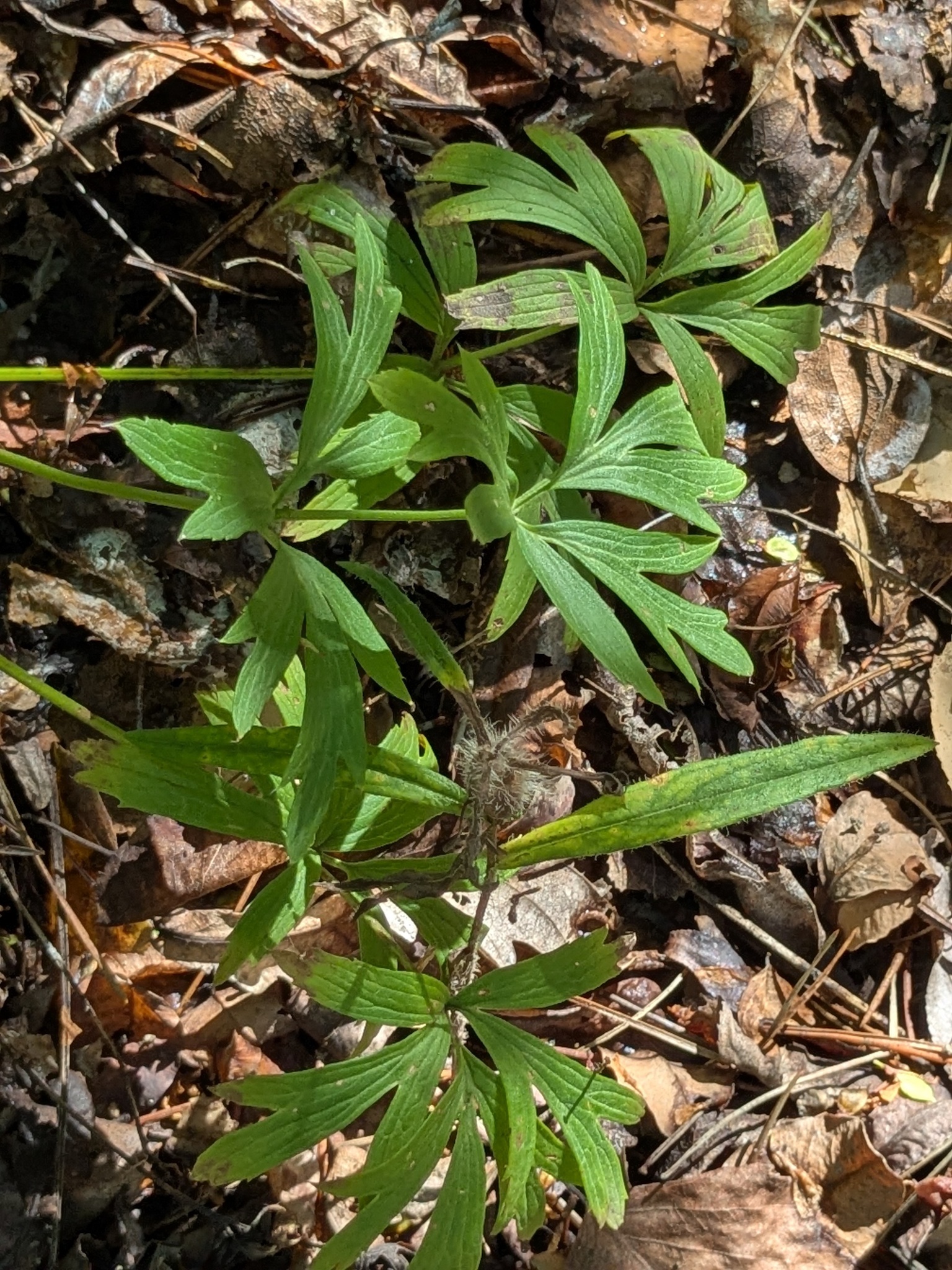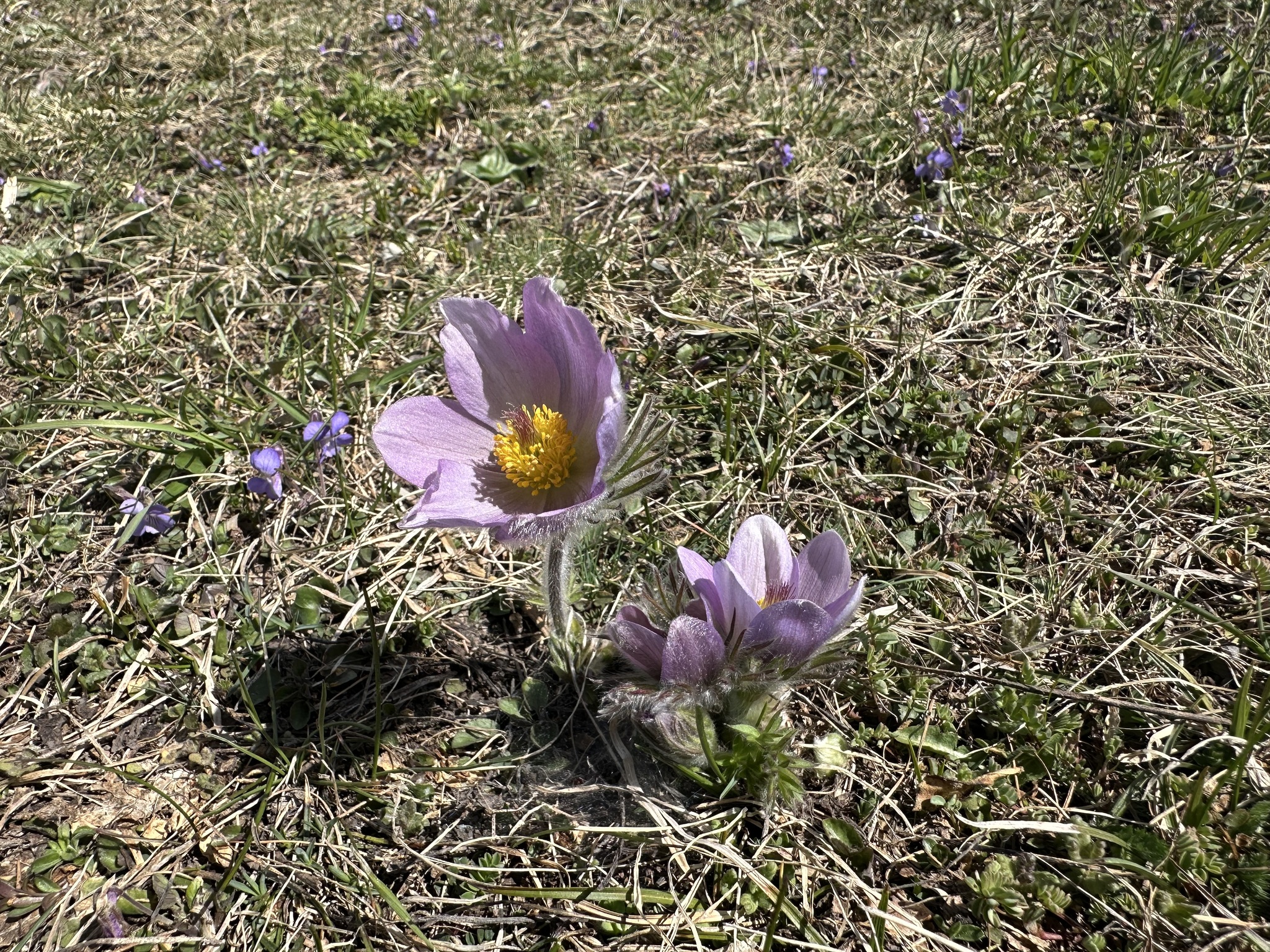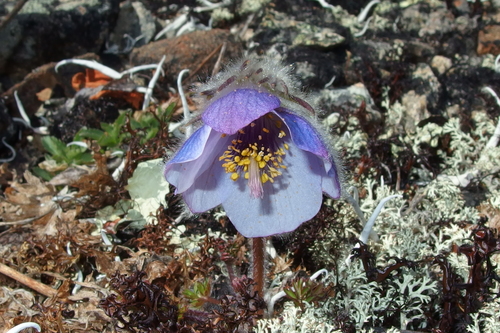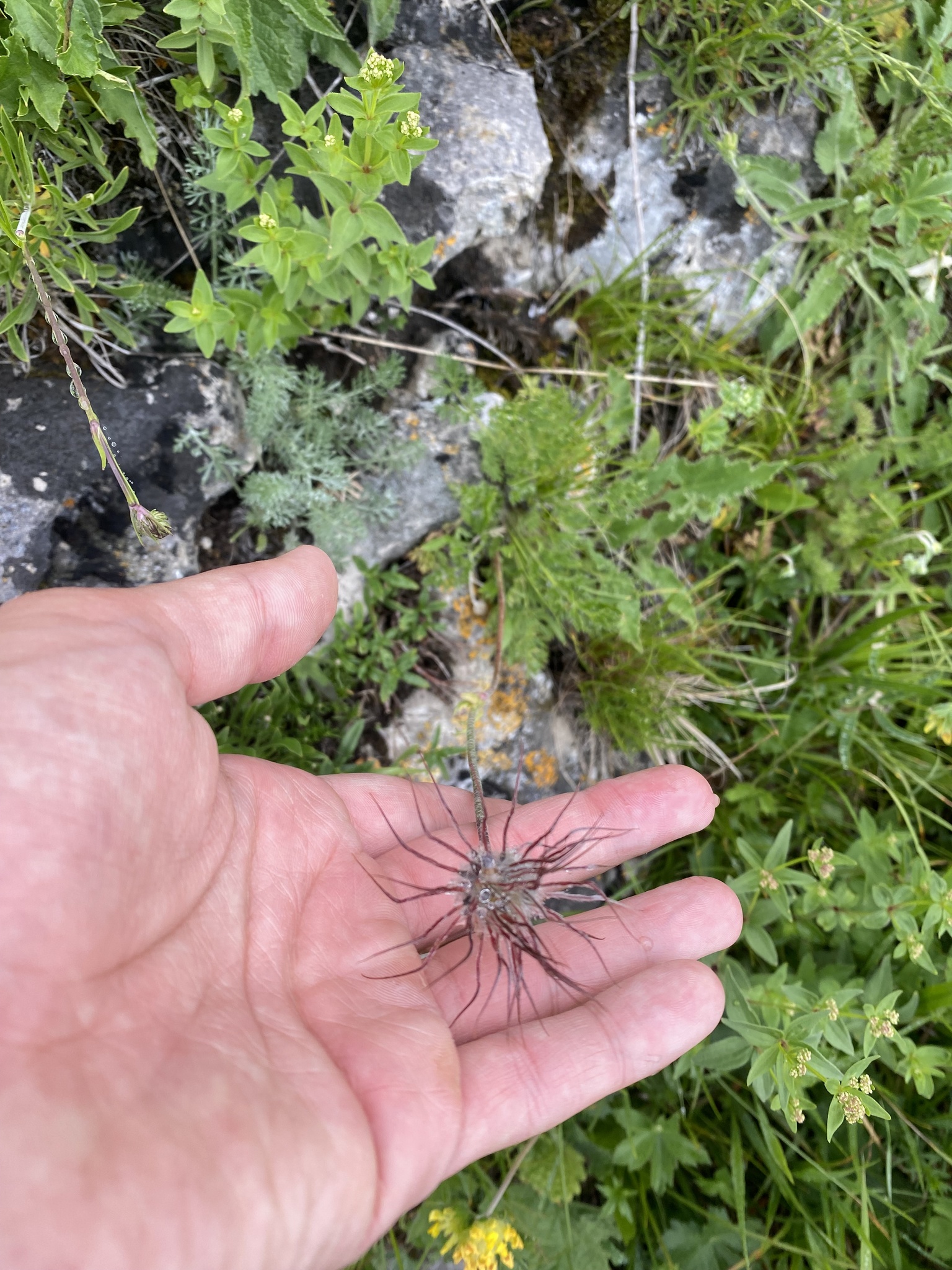
Pulsatilla vulgaris, the European Pasqueflower, is a perennial herb known for its large, solitary, bell-shaped flowers appearing in early spring.
Above information is sourced from Wikipedia
Sunlight
Prefers full sun to partial shade, requiring at least 6 hours of direct sunlight daily.
Watering
Water moderately, allowing soil to dry slightly between waterings. Ensure good drainage.
Soil
Well-drained, sandy or gritty soil. Prefers alkaline to neutral pH.
Temperature
Thrives in cool to moderate temperatures, with an ideal range of 10-20 °C.
Habitat
Outdoor
Fertilizer
Fertilize sparingly in spring with a balanced, slow-release fertilizer.
Prefers full sun to partial shade, requiring at least 6 hours of direct sunlight daily.
Water moderately, allowing soil to dry slightly between waterings. Ensure good drainage.
Reduce in winter
Well-drained, sandy or gritty soil. Prefers alkaline to neutral pH.
Thrives in cool to moderate temperatures, with an ideal range of 10-20 °C.
Tolerates light frost
Outdoor
Fertilize sparingly in spring with a balanced, slow-release fertilizer.
Avoid over-fertilizing
Plant Type
Herb
Plant Category
Flowering, Ornamental
Plant Place Type
Ground, Garden, Pot
Plant Environment
Outdoor
Lifespan
Perennials
Plant Height
0.15-0.3 m
Spread
0.3-0.5 m
Growth Rate
Slow
Dormancy
Yes
Leaf Color
Green
Leaf Type
Deeply divided, fern-like
Flower Size
5-8 cm
Toxic for humans
No
Rating: 0/5
Toxic for pets
No
Rating: 0/5
Edible
No
All parts of the plant are considered mildly toxic if ingested, causing gastrointestinal upset. Skin contact may cause irritation.