Skip to plant details

Selenicereus AnthonyanusSelenicereus anthonyanus

Also known as Fish Bone Cactus · Fishbone Cactus · Ric Rac Cactus

  • Category: Ornamental
  • Type: Vine
  • Sunlight: Bright, indirect light
  • Water: Allow soil to dry between waterings
  • Temperature: Average room temperatures

Selenicereus anthonyanus, commonly known as Selenicereus anthonyanus, is a striking epiphytic cactus with flat, segmented stems featuring unique zig-zag edges and beautif

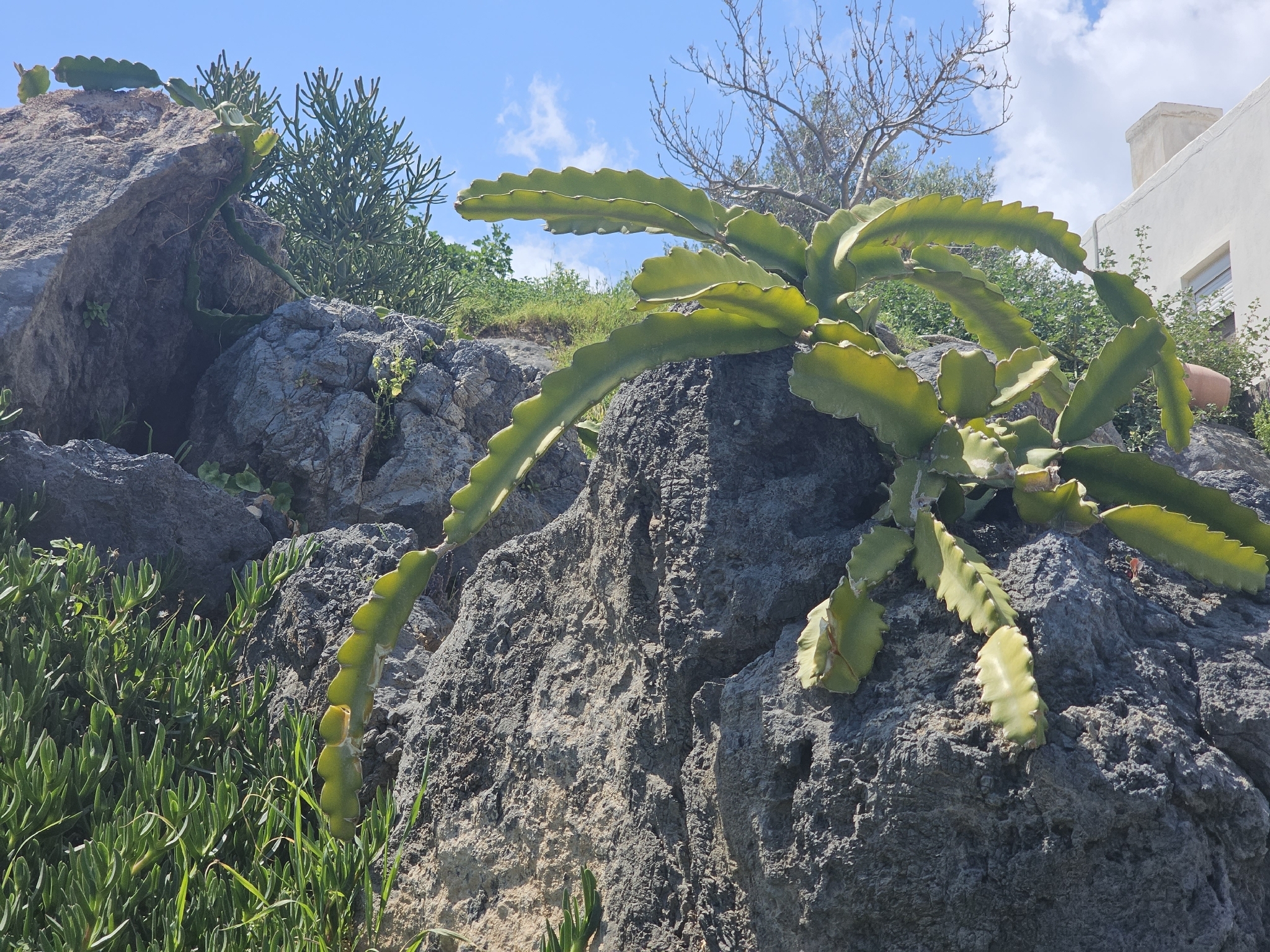
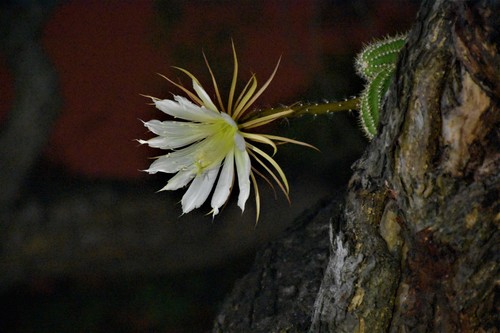
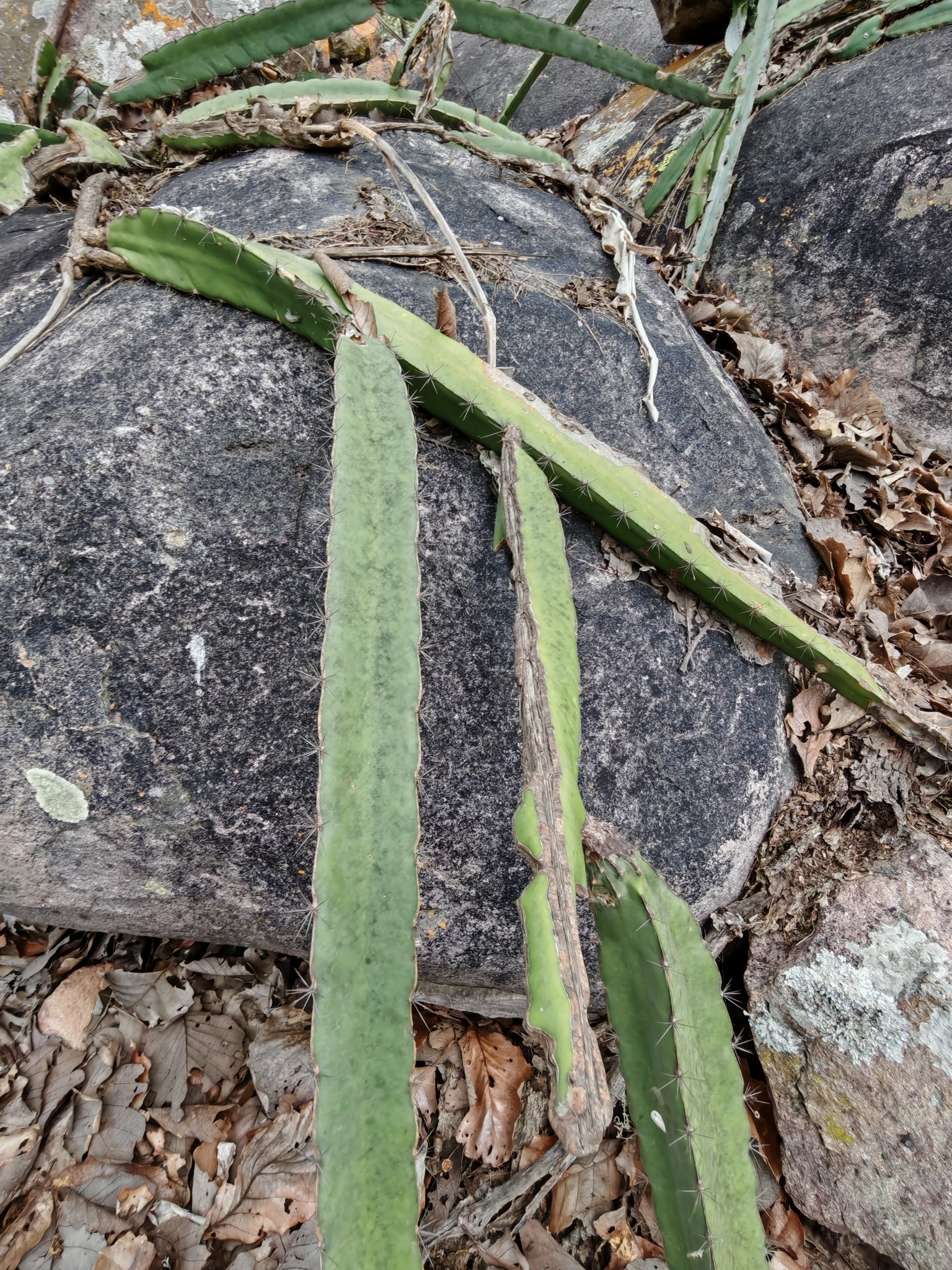
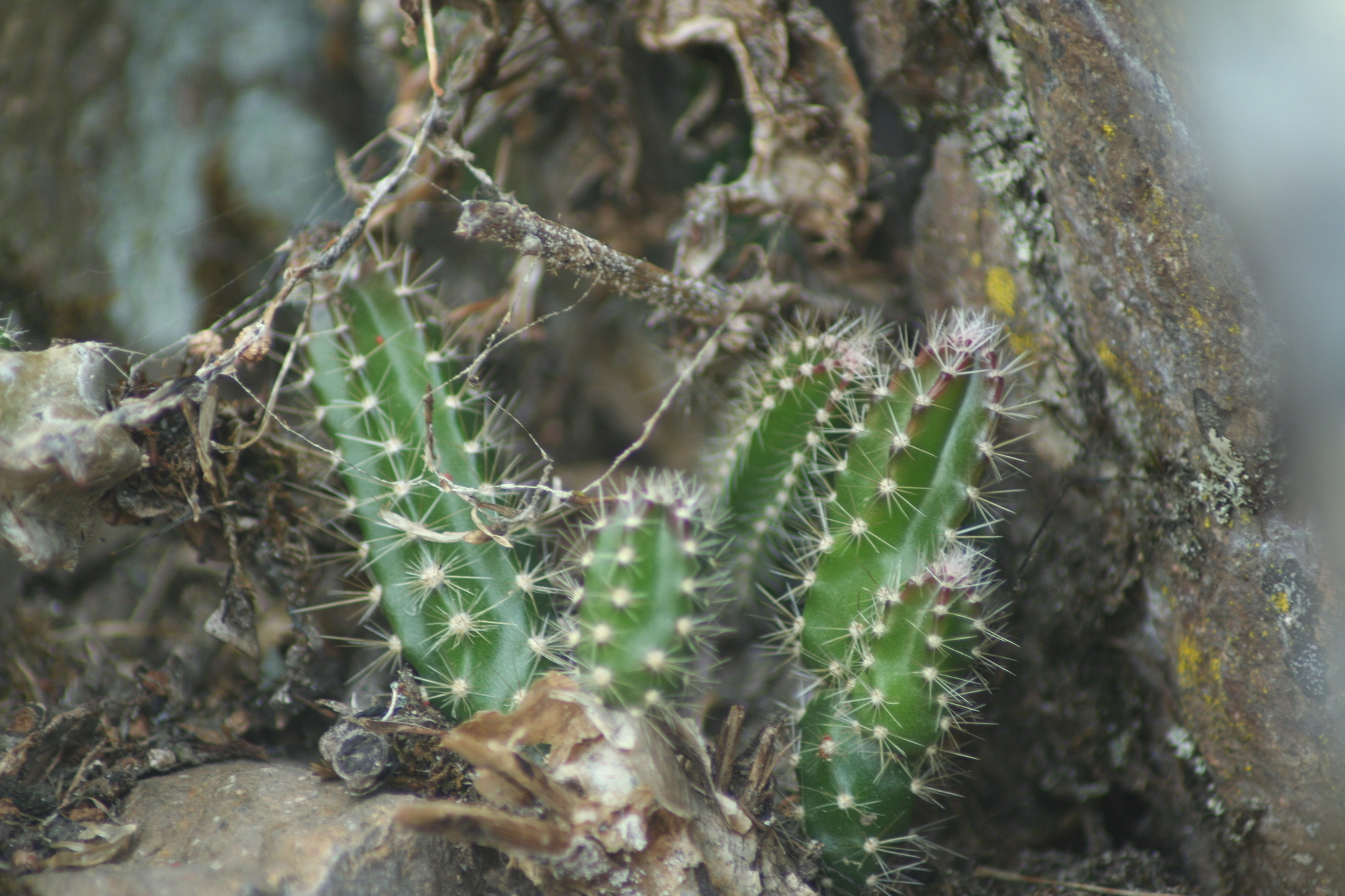
Selenicereus anthonyanus is a captivating epiphytic cactus native to the tropical rainforests of Mexico. This species is renowned for its striking, flattened, leaf-like stems and its spectacular nocturnal blooms, making it a prized specimen among succulent and cactus enthusiasts. Its significance lies in its unique morphology within the cactus family and its contribution to the biodiversity of its native ecosystems. The growth habit of Selenicereus anthonyanus is scandent or epiphytic, meaning it typically climbs or grows on other plants. Its stems are segmented, highly flattened, and can reach lengths of up to 3 meters (approximately 10 feet), though they are often shorter in cultivation. These stems are a vibrant green and possess a leathery texture, with undulating or wavy margins that give them a distinctive, almost ribbon-like appearance. The areoles, small cushion-like structures from which spines and flowers emerge, are located along the stem margins. While some species in the genus Selenicereus have prominent spines, Selenicereus anthonyanus typically bears very small, bristle-like spines, or sometimes none at all, contributing to its smooth, elegant profile. The flowers are a true spectacle, opening only at night and lasting for a single night. They are large, often exceeding 20 centimeters (8 inches) in diameter, and are typically white or creamy white, with a strong, sweet fragrance. The petals are numerous and often delicate, surrounding a prominent cluster of stamens. Following successful pollination, the plant may produce a small, fleshy fruit, though this is less commonly observed in cultivation. Selenicereus anthonyanus is found in its native habitat in the humid tropical forests of southeastern Mexico, where it thrives in the dappled shade of the forest canopy. It often grows as an epiphyte, attaching itself to tree branches or rocks, benefiting from the moisture and nutrients available in these elevated positions. In cultivation, it requires conditions that mimic its natural environment. This includes well-draining potting mix, bright indirect light, and consistent moisture during the growing season, with reduced watering in cooler, drier periods. Protection from frost is essential, as it is not cold-hardy. The primary importance of Selenicereus anthonyanus is ornamental, owing to its unusual foliage and magnificent, fragrant flowers. Its unique form and ephemeral blooms make it a sought-after plant for collectors and those interested in exotic flora. While specific medicinal, culinary, or economic uses are not widely documented for this particular species, its ecological role within its native rainforest environment is significant, contributing to the complex web of life. An interesting adaptation of Selenicereus anthonyanus, shared by many nocturnal-blooming cacti, is its strategy of opening its flowers at night. This allows it to attract nocturnal pollinators, such as moths and bats, ensuring successful reproduction in its natural habitat. The flattened, leaf-like stems are also a characteristic adaptation, maximizing surface area for photosynthesis in the shaded understory of the rainforest.

Photograph © thaísa · CC-BY-NC

Selenicereus Anthonyanus Care Summary

At-a-glance light, water, soil, and growing conditions from plant data

Light

Bright, indirect light

75% intensity

Avoid direct sun, which can scorch

Watering

Allow soil to dry between waterings

50% intensity

Reduce in winter

Soil

Well-draining cactus or succulent mix

50% intensity

Temperature

Average room temperatures

50% intensity

Avoid frost; protect from cold drafts

Fertilizing

During growing season

25% intensity

Diluted, balanced liquid fertilizer

Selenicereus Anthonyanus Toxicity

Safety information from plant toxicity data

Toxicity details for Selenicereus Anthonyanus
AttributeValue
Toxic for humansNo

0/5 intensity

Toxic for petsNo

0/5 intensity

Selenicereus Anthonyanus Quick Facts

Key traits and growing stats from plant data

Plant Type
Vine
Plant Category
Ornamental
Plant Place Type
Pot, Garden
Lifespan
Perennial
Plant Height
2 to 3 meters
Spread
1 to 2 meters
Growth Rate
Moderate
Dormancy
None
Leaf Color
Green
Leaf Type
Leaf-like stem segments
Flower Size
15 to 20 cm
Optimal Sunlight Lux
7000

Care guide for Selenicereus Anthonyanus

Watering, pruning, propagation, and repotting details from plant data

Water

Water thoroughly when the top 2-3 cm of soil feels dry. Reduce watering significantly during winter dormancy to prevent root rot.

Ensure good drainage to avoid waterlogged conditions, as this plant is susceptible to fungal diseases.

Pruning

Prune to maintain shape and control size, typically after flowering. Remove dead, damaged, or overgrown stems. Use clean, sharp tools to make cuts just above a node. Pruning can also encourage bushier growth.

Propagation

Easily propagated from stem cuttings. Allow cuttings to callus for a few days before planting in well-draining potting mix. Rooting typically occurs within a few weeks in warm conditions with bright, indirect light.

Repotting

Repot every 2-3 years or when the plant becomes root-bound, preferably in spring. Use a well-draining cactus or succulent mix. Choose a pot only slightly larger than the previous one to avoid excess moisture retention.

Identify plants like this with ePlant

Snap a photo to get care tips and match similar species on the go.

Try for Free

Flowering & Fruiting Cycles

Monthly activity intensity for bloom and fruit across both hemispheres.

Northern hemisphere

Flowering & fruiting calendar

Peak bloom · JunPeak fruit · Aug
FloweringFruiting
02468JanFebMarAprMayJunJulAugSepOctNovDecActivity intensityMonths109
Southern hemisphere

Flowering & fruiting calendar

Peak bloom · JunPeak fruit · Aug
FloweringFruiting
02468JanFebMarAprMayJunJulAugSepOctNovDecActivity intensityMonths109

Selenicereus Anthonyanus Names & Synonyms

Common names and botanical synonyms

Common Names

  • Fish Bone Cactus
  • Fishbone Cactus
  • Ric Rac Cactus
  • Rick Rack Cactus
  • Zig Zag Cactus

Synonyms

  • Cryptocereus anthonyanus Alexander

Selenicereus Anthonyanus Taxonomy

Botanical classification

Taxonomic classification of Selenicereus Anthonyanus
RankName
kingdomPlantae
divisionTracheophyta
classMagnoliopsida
orderCaryophyllales
familyCactaceae
genusSelenicereus
speciesSelenicereus anthonyanus

Selenicereus Anthonyanus FAQs

Answers based on plant encyclopedia data

What are the light requirements for Selenicereus anthonyanus?

Selenicereus anthonyanus prefers bright, indirect light. Direct sunlight can scorch its stems, while too little light can lead to leggy growth and fewer flowers.

How often should I water Selenicereus anthonyanus?

Water thoroughly when the top 2-3 cm of soil is dry. Reduce watering in the dormant winter months. Avoid overwatering, as this can lead to root rot.

What type of soil is best for Selenicereus anthonyanus?

Use a well-draining cactus or succulent potting mix. A blend of potting soil, perlite, and coarse sand is ideal.

When does Selenicereus anthonyanus typically bloom?

Selenicereus anthonyanus blooms during the warmer months, typically in summer. The flowers are fragrant and open at night, lasting for only a single night.

How can I propagate Selenicereus anthonyanus?

Propagation is usually done by stem cuttings. Allow cuttings to callus over for a few days before planting in a well-draining soil mix.