Mikania Congesta (Mikania congesta) – Care, Growing Guide & Benefits | ePlant AI
Mikania Congesta (Mikania congesta)
Mikania congesta is a vigorous climbing vine known for its rapid growth and dense foliage, often used for quick screening.
Mikania congesta is a species of flowering plant in the family Asteraceae, commonly known by its scientific name. This herbaceous perennial is recognized for its distinctive growth habit and its role within its native ecosystems. As a member of the Mikania genus, which comprises a diverse group of plants often referred to as climbing hemp-agrimonies, Mikania congesta shares some general characteristics with its relatives but possesses unique attributes that define its identity.
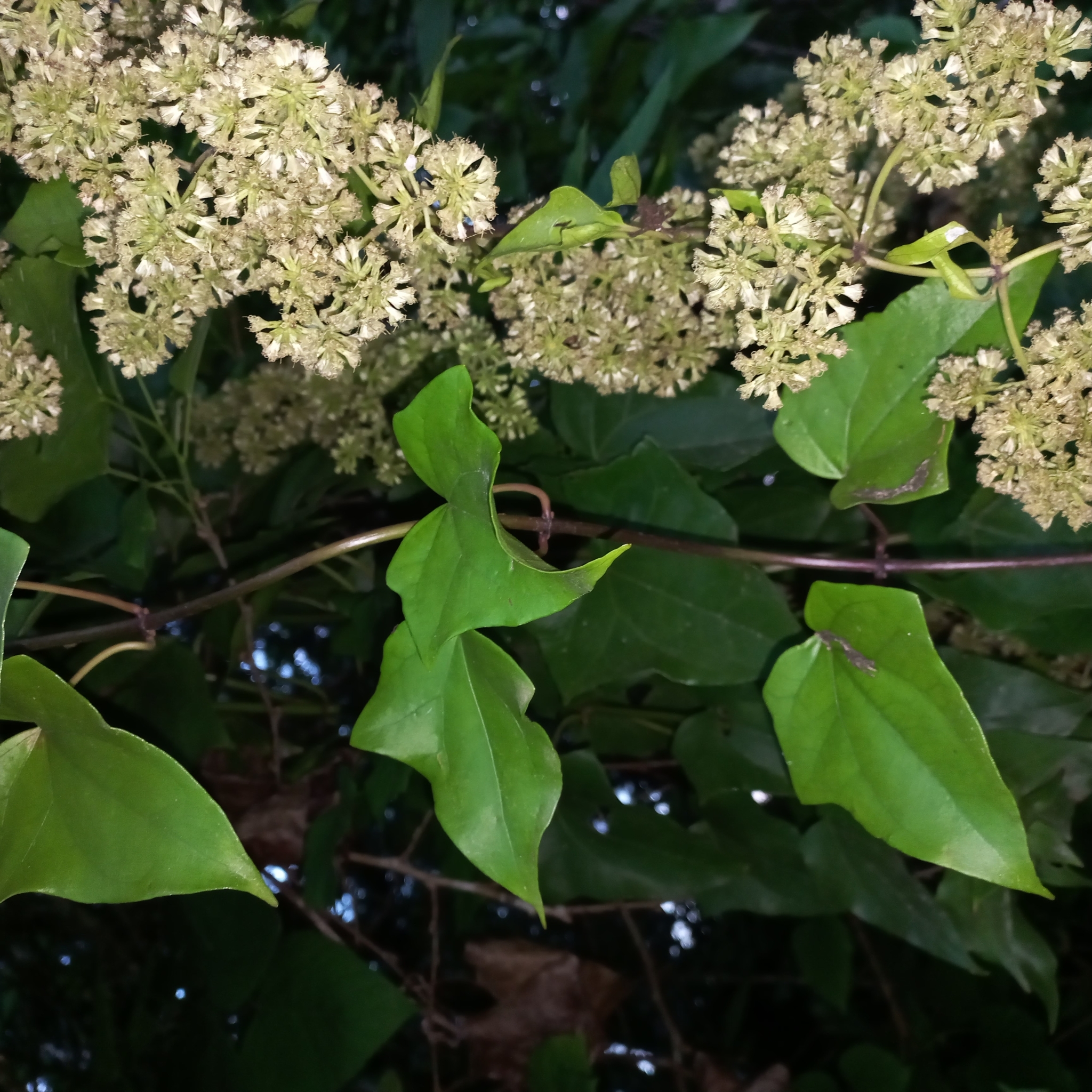
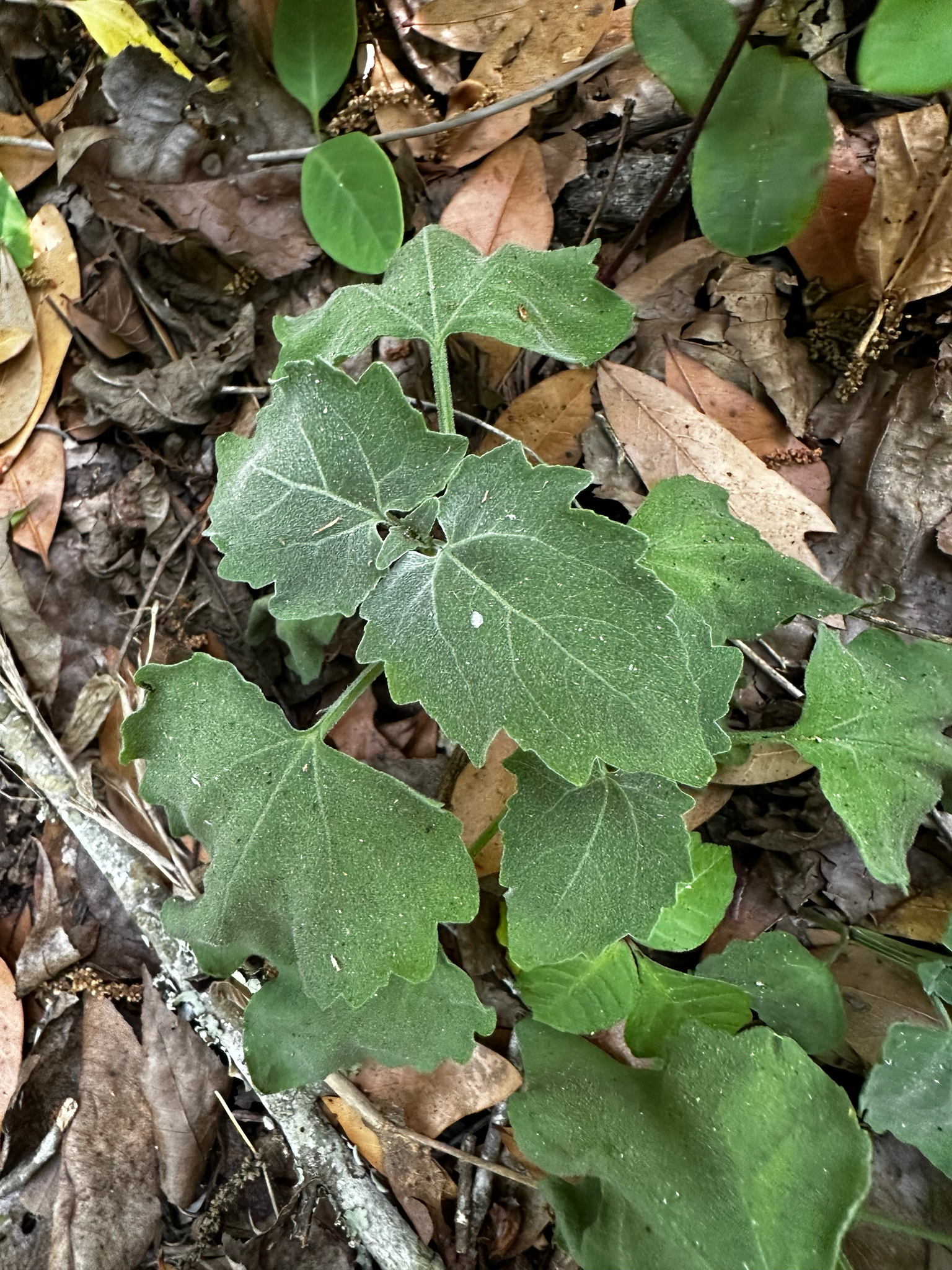
Physically, Mikania congesta typically presents as a climbing or sprawling vine. Its stems can reach considerable lengths, often twining around other vegetation or trailing along the ground. The leaves are arranged oppositely along the stem and are generally simple, though their precise shape and size can vary. They are typically ovate to triangular in outline, with a pointed apex and a cordate or rounded base. The margins of the leaves are often toothed or serrated. The inflorescences are characterized by dense clusters of small, typically white or cream-colored flower heads. Each flower head contains tubular florets. Following pollination, the plant produces small, achene-like fruits, which are often crowned with a pappus, aiding in their dispersal by wind.
The native distribution of Mikania congesta is primarily within South America, where it thrives in a variety of tropical and subtropical habitats. It is commonly found in disturbed areas, along forest edges, in savannas, and along riverbanks. Its natural habitat often includes humid environments with ample sunlight or partial shade. While specific cultivation requirements can vary depending on the exact environmental conditions, Mikania congesta generally prefers well-drained soils and moderate moisture. It is not widely cultivated as an ornamental plant, and its horticultural applications are not extensively documented.
Ecologically, Mikania congesta plays a role in its native environment by providing ground cover and a climbing substrate for other organisms. Its flowers attract pollinators, contributing to local biodiversity. Information regarding its specific medicinal, culinary, or economic importance is not widely established or scientifically documented for this particular species. Therefore, any discussion of such uses would be speculative and outside the scope of scientifically verified facts.
An interesting characteristic of Mikania congesta, shared with many other Mikania species, is its rapid growth and ability to colonize open or disturbed areas. This adaptability allows it to be a significant component of the vegetation in certain landscapes. The genus Mikania is known for its diverse chemical compounds, though specific research focusing on the phytochemical properties of Mikania congesta is limited in readily accessible scientific literature. Understanding Mikania congesta requires focusing on its botanical classification, morphology, and its observed presence within its natural geographic range and habitat.
Well-draining, fertile soil. Adaptable to various soil types but thrives in loam.
Temperature
Thrives in warm temperatures.
Habitat
Outdoor, Greenhouse
Fertilizer
Feed during the growing season.
Care Requirements
Light
Prefers full sun to partial shade.
Flowers best in brighter light.
Water
Keep soil consistently moist.
Water more in hot weather, less in cool.
Soil
Well-draining, fertile soil. Adaptable to various soil types but thrives in loam.
Temperature
Thrives in warm temperatures.
Ideal range 18-25°C.
Habitat
Outdoor, Greenhouse
Fertilizer
Feed during the growing season.
Balanced liquid fertilizer every 2-4 weeks.
Plant Overview
Plant Type
Vine
Plant Category
Foliage
Plant Place Type
Ground, Pot, Hanging
Plant Environment
Outdoor, Greenhouse
Lifespan
Perennials
Plant Height
5-10 m
Spread
3-5 m
Growth Rate
Fast
Dormancy
None
Leaf Color
Green
Leaf Type
Opposite, ovate to deltoid
Flower Size
0.5 cm
Image Gallery
Flowering & Fruiting Cycles
Monthly activity intensity for bloom and fruit across both hemispheres.
Northern hemisphere
Flowering & fruiting calendar
Peak bloom · AugPeak fruit · Sep
FloweringFruiting
Southern hemisphere
Flowering & fruiting calendar
Peak bloom · MayPeak fruit · Jun
FloweringFruiting
Synonyms
Mikania atriplicifolia Sch.Bip. ex Miq.
Mikania parkeriana DC.
Mikania sieberiana DC.
Taxonomy
kingdomPlantae
divisionTracheophyta
classMagnoliopsida
orderAsterales
familyAsteraceae
genusMikania
speciesMikania congesta
Toxicity
Edible
No
Additional Care Tips
Water regularly to maintain consistently moist soil, especially during the growing season. Reduce watering in winter.
Prune to control size and shape, and to encourage bushier growth. Remove dead or damaged stems anytime. Heavy pruning can be done in late winter or early spring.
Easily propagated from stem cuttings taken in spring or summer. Root cuttings in water or a well-draining potting mix.
Repot container-grown plants every 1-2 years in spring as needed. Choose a pot one size larger with fresh, well-draining potting mix.
FAQs
How fast does Mikania congesta grow?
Mikania congesta is known for its very fast growth rate, quickly covering structures or ground.
What kind of soil does Mikania congesta prefer?
It prefers well-draining, fertile soil but is adaptable to various soil types.
Can Mikania congesta be grown in a pot?
Yes, Mikania congesta can be grown in pots, hanging baskets, or used as a groundcover or for screening.
When is the best time to prune Mikania congesta?
Pruning can be done anytime to control size, but heavy pruning is best performed in late winter or early spring before new growth begins.
Does Mikania congesta attract pollinators?
The small white flowers can attract pollinators like bees and butterflies.