Water
Keep the soil consistently moist but not waterlogged. Use distilled, rainwater, or reverse osmosis water. Allow the top 1-2 cm of soil to dry slightly between waterings, especially during dormancy.
Avoid tap water, which can harm the plant.
Also known as Parrot Pitcher Plant · Pitcher-Plant Parrot
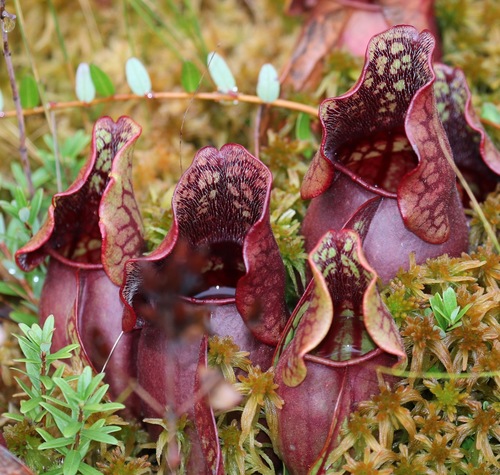
Sarracenia psittacina is a carnivorous plant known for its unique, hooded pitchers that resemble a parrot's head, trapping insects with downward-pointing hairs.
At-a-glance light, water, soil, and growing conditions from plant data
Full Sun
100% intensity
Requires at least 6-8 hours of direct sunlight daily for optimal growth and pitcher development.
Consistent Moisture
75% intensity
Use distilled, rainwater, or reverse osmosis water. Keep soil moist but not saturated.
Acidic, nutrient-poor, well-draining mix (e.g., peat moss and perlite or sand)
50% intensity
Variable (Warm Growing Season, Cold Dormancy)
50% intensity
Warm temperatures (20-30°C) during growth, followed by a cool dormancy period (0-10°C) with reduced light and watering.
Not Required (Carnivorous)
0% intensity
Obtains nutrients from captured insects. Avoid standard fertilizers; supplement only if insect capture is very low.
Safety information from plant toxicity data
| Attribute | Value |
|---|---|
| Toxic for humans | No 0/5 intensity |
| Toxic for pets | No 0/5 intensity |
| Edible | No |
Key traits and growing stats from plant data
Watering, pruning, propagation, and repotting details from plant data
Keep the soil consistently moist but not waterlogged. Use distilled, rainwater, or reverse osmosis water. Allow the top 1-2 cm of soil to dry slightly between waterings, especially during dormancy.
Avoid tap water, which can harm the plant.
Remove dead or dying pitchers and leaves in late winter or early spring before new growth emerges. This improves aesthetics and prevents fungal diseases. Cut back to just above the rhizome.
Avoid pruning healthy, green pitchers.
Propagation is best done by dividing the rhizomes during repotting in spring. Each division should have at least one growth bud.
Alternatively, seeds can be sown in spring, but germination can be slow and requires stratification.
Repot every 2-3 years in spring before new growth starts. Use a nutrient-poor, acidic mix like peat moss and perlite or sand (1:1 ratio).
Ensure the new pot is deep enough to accommodate the long roots and has drainage holes.
Identify plants like this with ePlant AI
Snap a photo to get care tips and match similar species on the go.
Monthly activity intensity for bloom and fruit across both hemispheres.
Flowering & fruiting calendar
Flowering & fruiting calendar
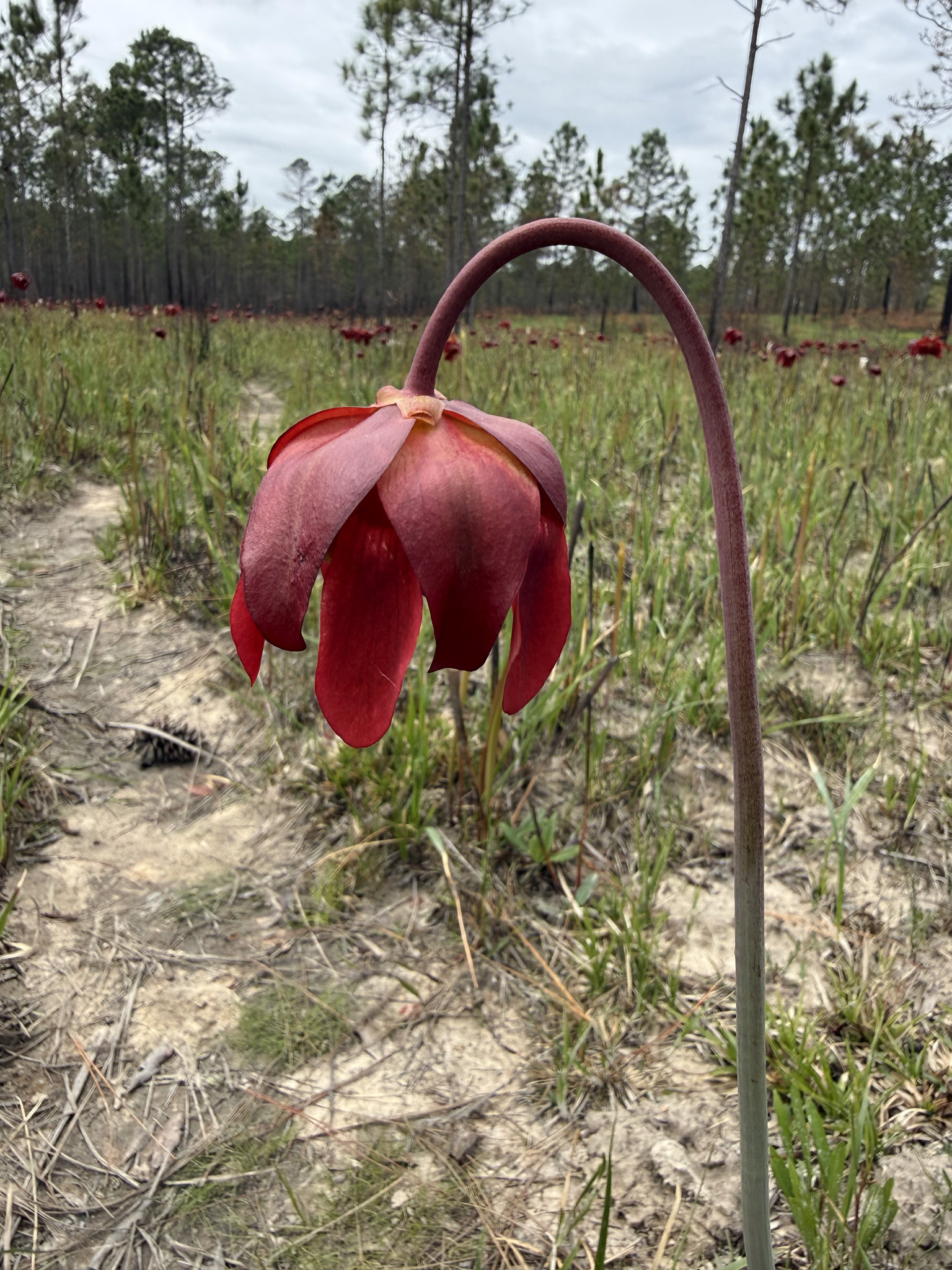
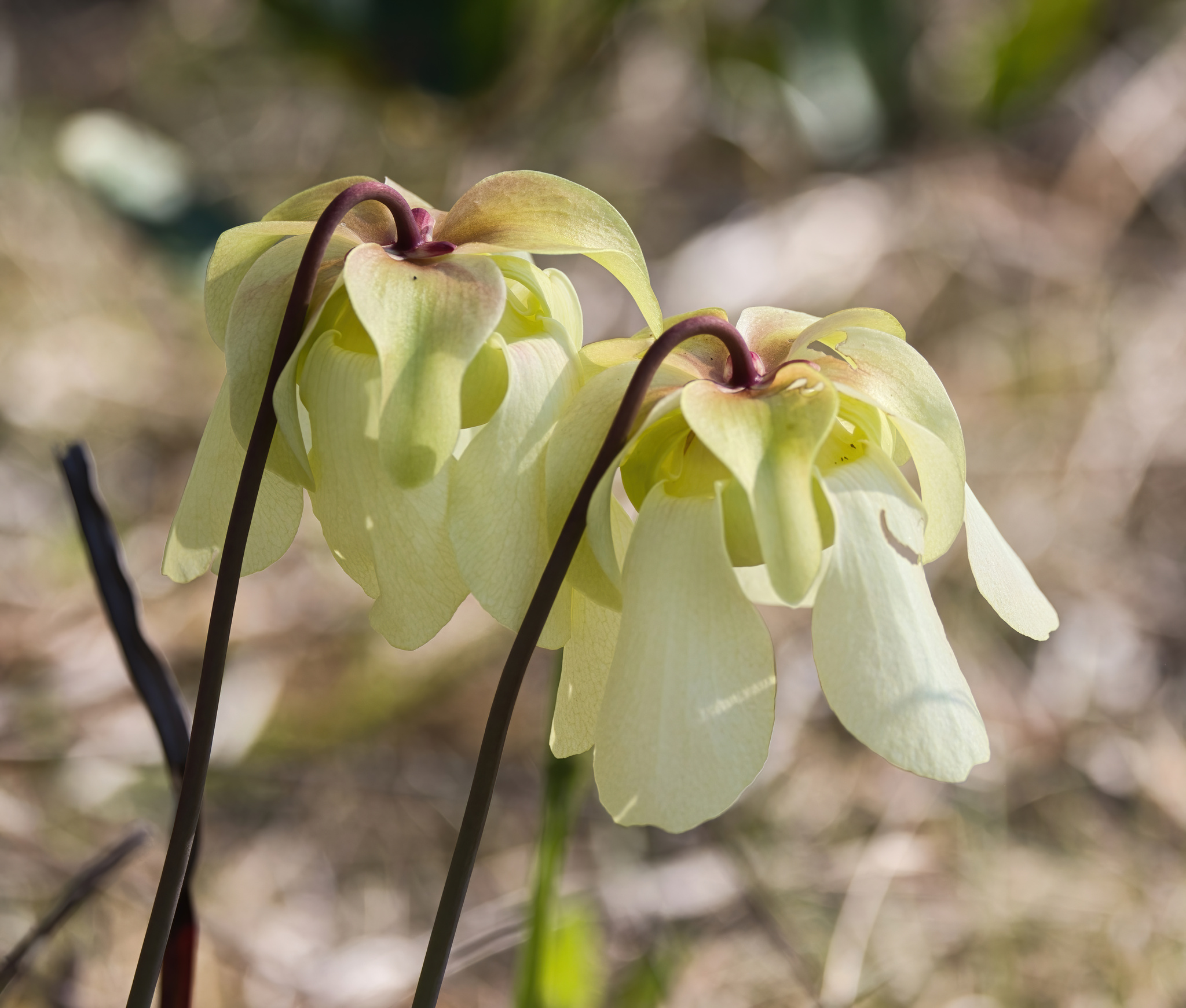
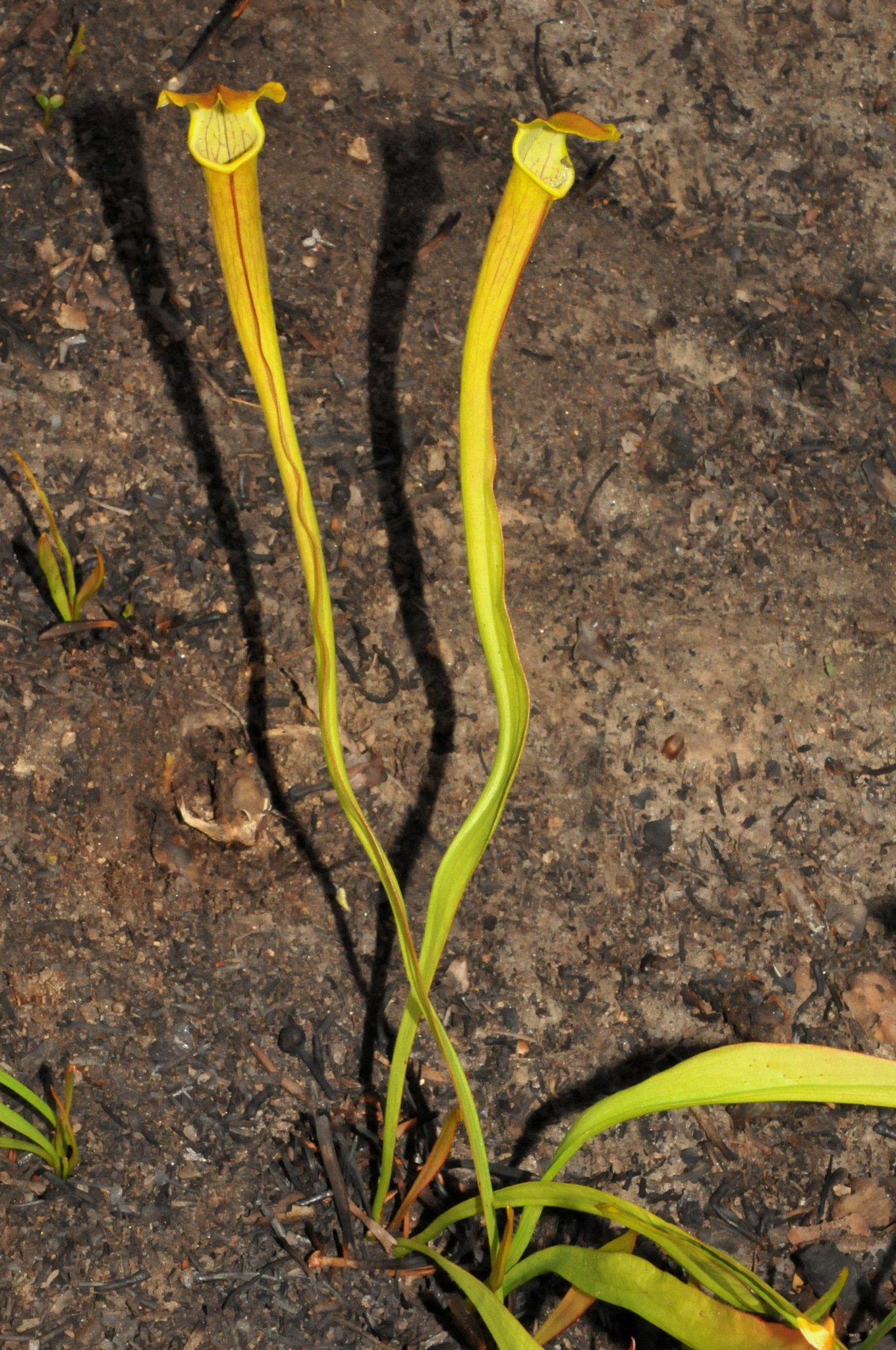
Photos of Parrot Pitcherplant (Sarracenia psittacina)
Where Parrot Pitcherplant (Sarracenia psittacina) is found

Density
Tap map to explore
Common names and botanical synonyms
Botanical classification
| Rank | Name |
|---|---|
| Kingdom | Plantae |
| Division | Tracheophyta |
| Class | Magnoliopsida |
| Order | Ericales |
| Family | Sarraceniaceae |
| Genus | Sarracenia |
| Species | Sarracenia psittacina |
Similar in genus Sarracenia
Answers based on plant encyclopedia data