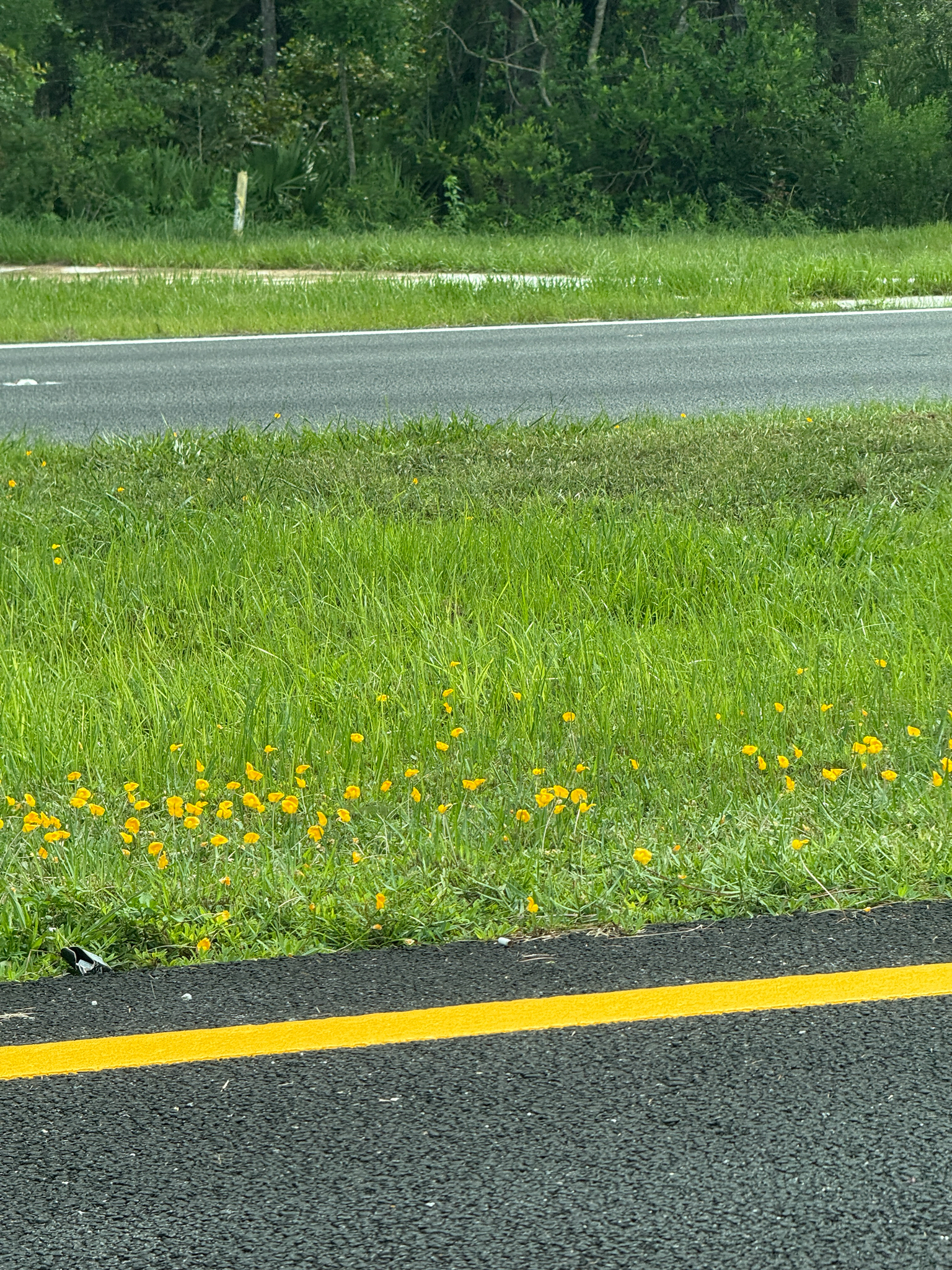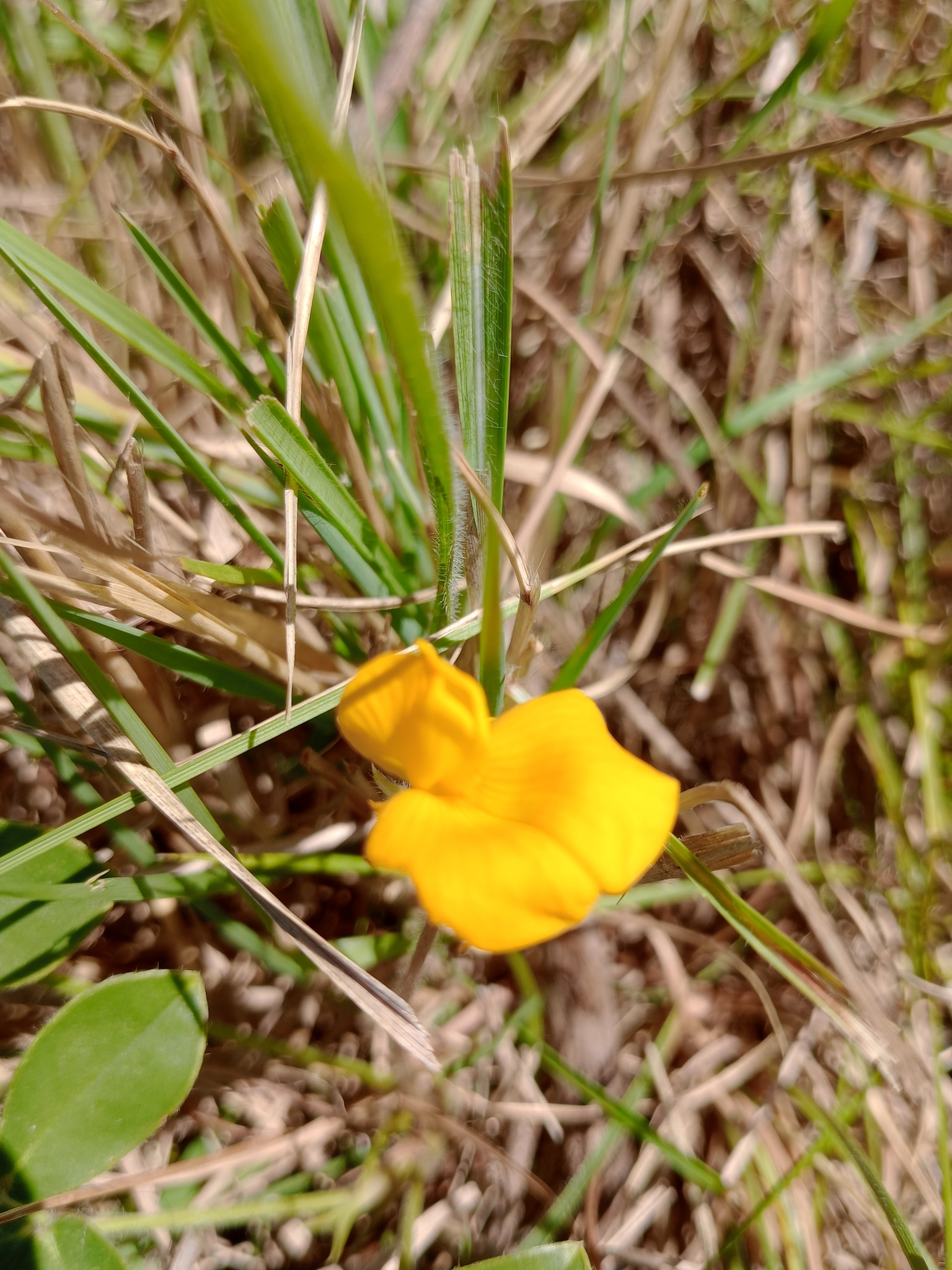
Peanut (Arachis hypogaea)

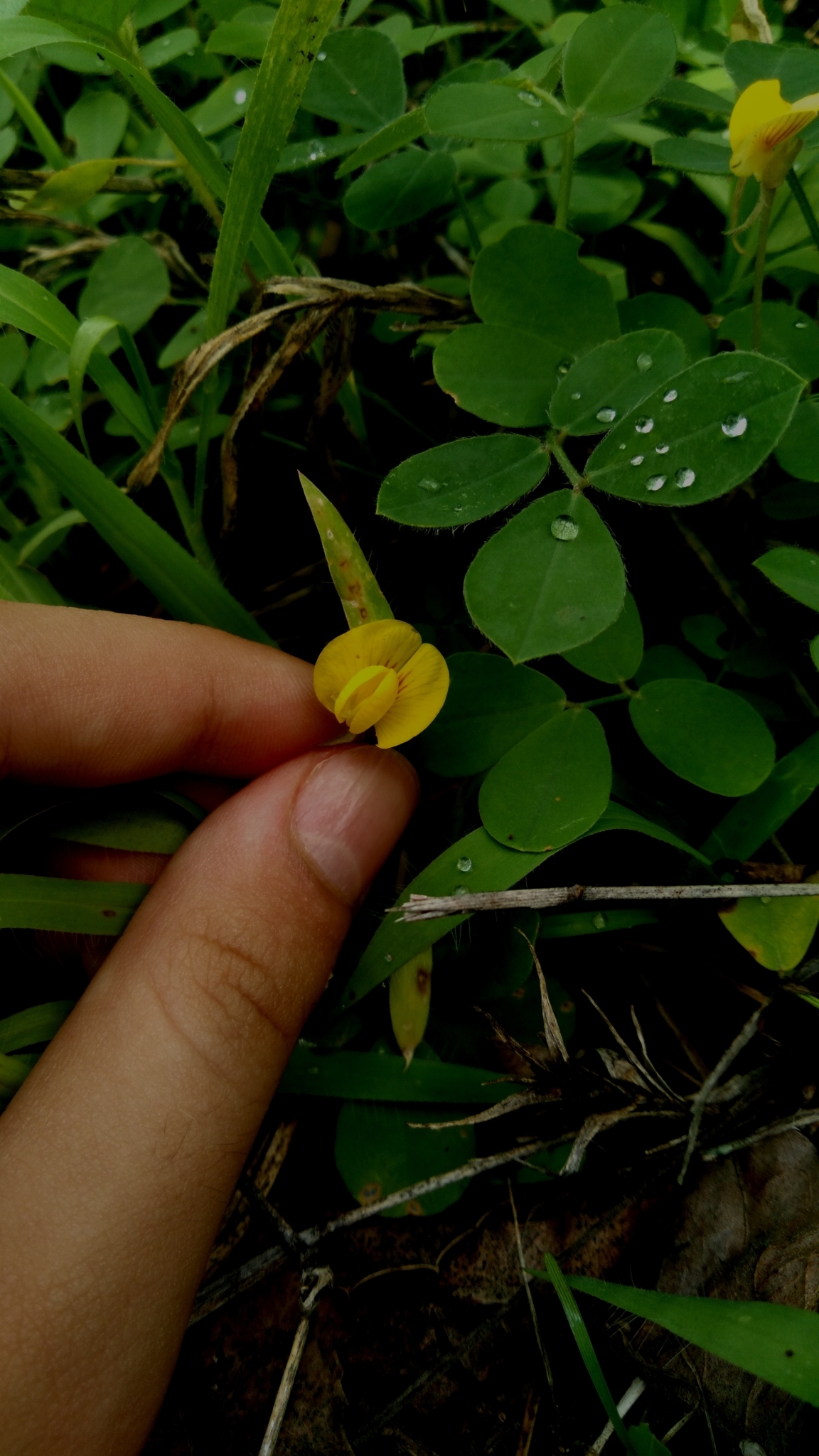
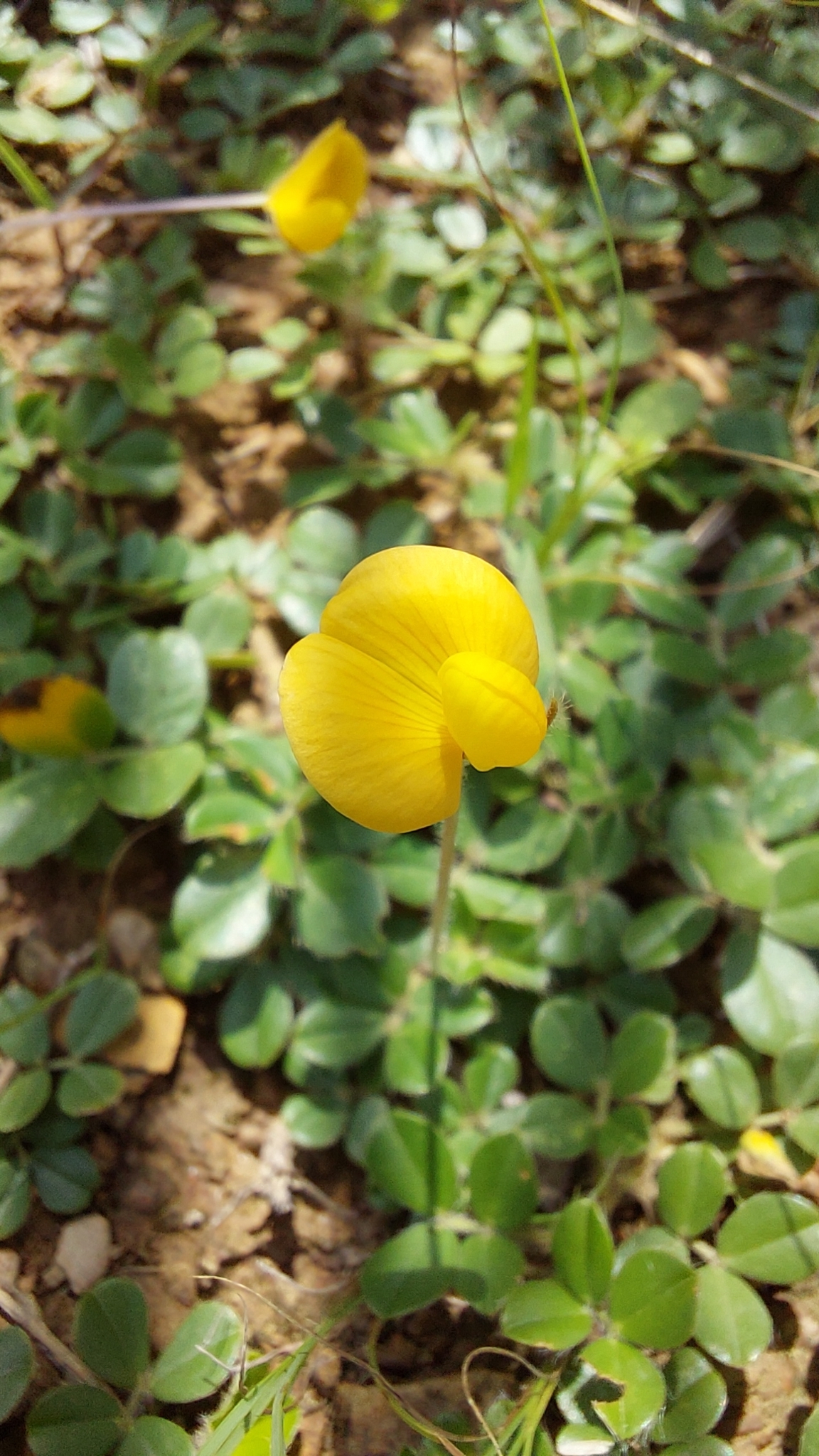
Peanut (Arachis hypogaea) is an annual herbaceous legume cultivated worldwide for its edible seeds. It is unique for its geocarpic development, where flowers above ground

Above information is sourced from Wikipedia

Sunlight

Full sun (6-8+ hours direct sunlight daily).

Watering

Consistent moisture, especially during flowering and pod development. Avoid waterlogging.

Soil

Well-draining, loose, sandy loam soil with a pH of 5.9-6.5. Good aeration is crucial for pod development.

Temperature

Warm temperatures, ideally 20-30 °C.

Habitat

Outdoor

Fertilizer

Low nitrogen, higher phosphorus and potassium. Supplement calcium if needed.

Care Requirements

Light

Full sun (6-8+ hours direct sunlight daily).

Water

Consistent moisture, especially during flowering and pod development. Avoid waterlogging.

During growing season

Soil

Well-draining, loose, sandy loam soil with a pH of 5.9-6.5. Good aeration is crucial for pod development.

Temperature

Warm temperatures, ideally 20-30 °C.

Growing season

Habitat

Outdoor

Fertilizer

Low nitrogen, higher phosphorus and potassium. Supplement calcium if needed.

Before planting and early growth

Plant Overview

Plant Type

Herb

Plant Category

Vegetable, Fruit

Plant Place Type

Ground, Garden

Plant Environment

Outdoor

Lifespan

Annuals

Plant Height

0.3-0.6 m

Spread

0.3-0.9 m

Growth Rate

Fast

Leaf Color

Green

Leaf Type

Pinnately compound

Flower Size

0.8-1.5 cm

Optimal Sunlight Lux

80000

Image Gallery

Synonyms
Arachidna hypogaea (L.) Moench
Arachis americana Ten.
Arachis asiatica Lour.
Arachis guaraniana Bertoni
Arachis nambyquarae Hoehne
Arachis oleifera A.Chev.
Taxonomy
  • kingdomPlantae
  • divisionTracheophyta
  • classMagnoliopsida
  • orderFabales
  • familyFabaceae
  • genusArachis
  • speciesArachis hypogaea
Toxicity

Toxic for humans

No

Rating: 0/5

Toxic for pets

No

Rating: 0/5

Edible

Yes

Not toxic to humans or pets. The seeds (peanuts) are a common allergen for some individuals.

Additional Care Tips

FAQs