Water
Water consistently, especially when young and during dry periods. Allow the top few centimeters of soil to dry out between waterings. Avoid waterlogging, as this can lead to root rot.
Reduce watering during winter dormancy.
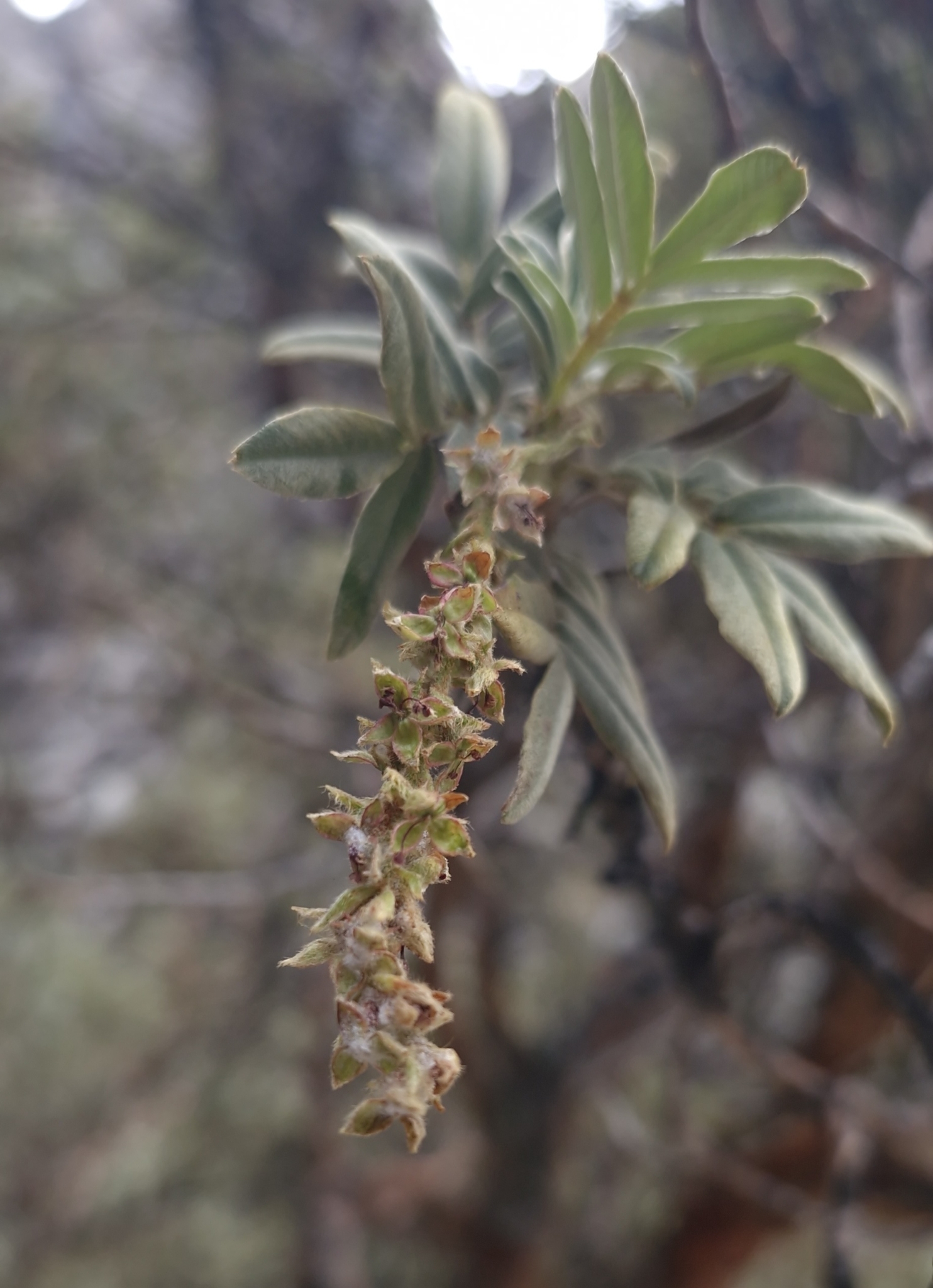
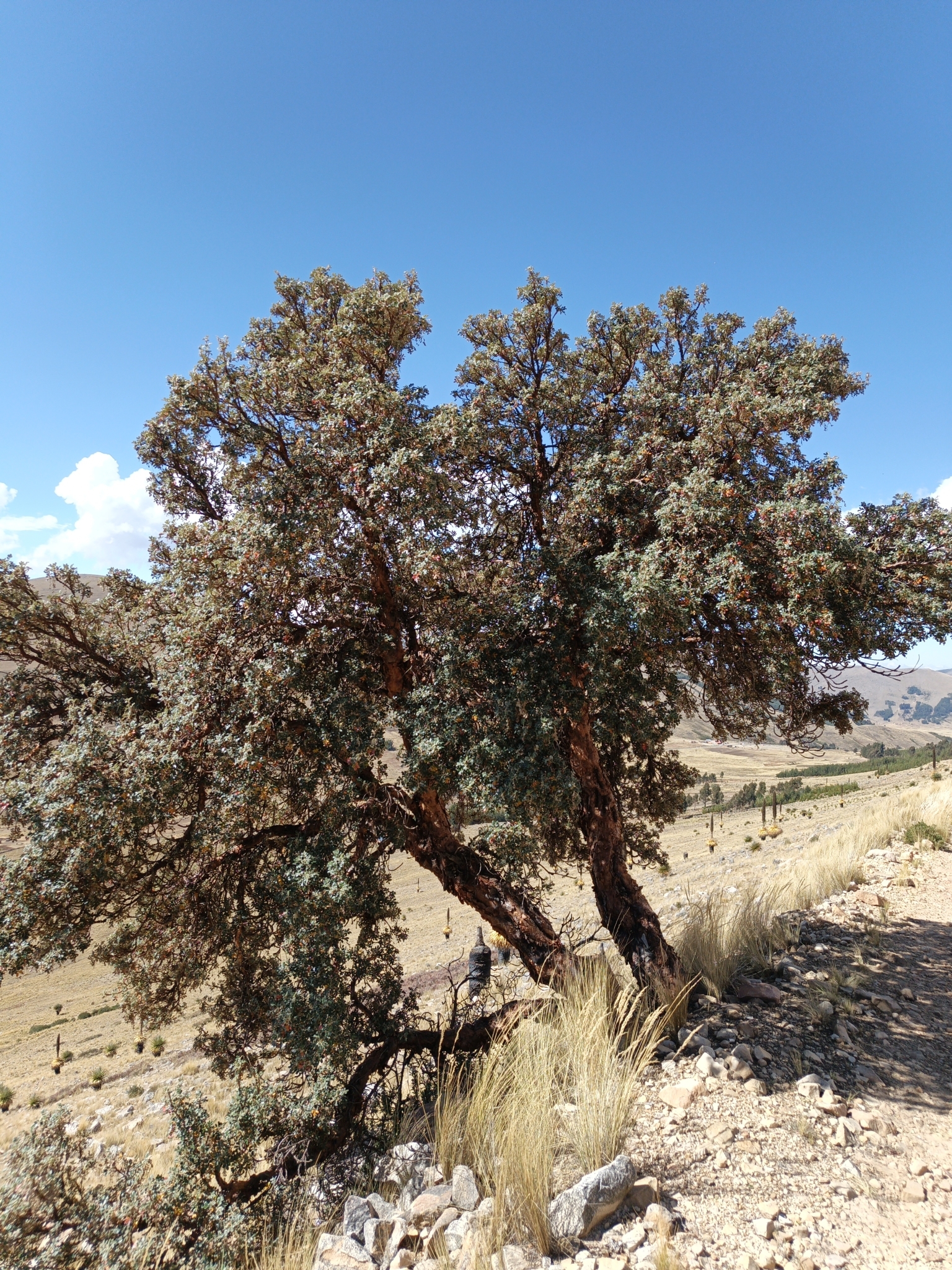
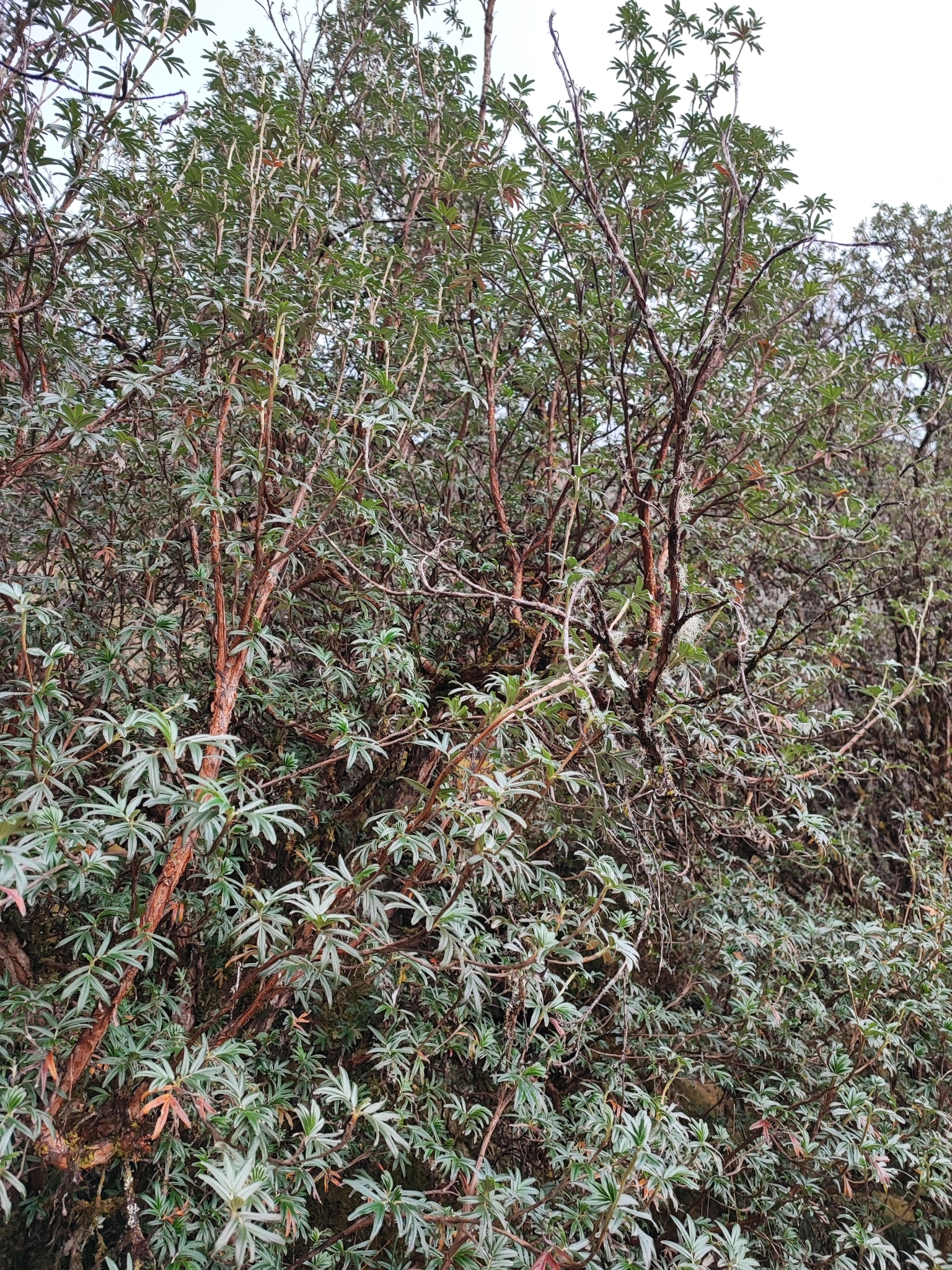
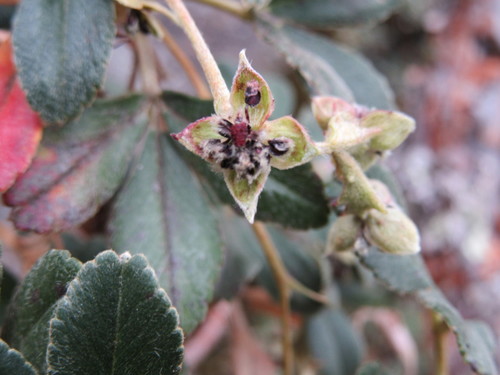
Polylepis australis is a critically endangered tree native to the high Andes of Argentina. Its unique bark and ecological importance are vital for its survival.
At-a-glance light, water, soil, and growing conditions from plant data
Full Sun
100% intensity
Prefers full sun for optimal growth and flowering.
Moderate
50% intensity
Allow soil to dry slightly between waterings. Avoid overwatering.
Well-drained
50% intensity
Moderate
50% intensity
Adaptable to a range of temperatures, prefers cool to temperate climates. Protect from extreme heat.
Low
25% intensity
Requires infrequent feeding; over-fertilization can be harmful.
Key traits and growing stats from plant data
Watering, pruning, propagation, and repotting details from plant data
Water consistently, especially when young and during dry periods. Allow the top few centimeters of soil to dry out between waterings. Avoid waterlogging, as this can lead to root rot.
Reduce watering during winter dormancy.
Prune to remove dead, damaged, or crossing branches. Light pruning can be done to shape the tree and improve air circulation. Avoid heavy pruning, as it can stress the plant.
Best to prune in late winter or early spring before new growth begins.
Propagation is primarily done from seeds, which require stratification (a period of cold, moist conditions) to germinate. Cuttings are difficult to root and generally not recommended for home gardeners.
Sow seeds in well-draining soil in spring.
Repot young plants every 2-3 years in spring to provide fresh soil and space for root growth. Mature trees are best left undisturbed. Use a well-draining potting mix, such as a mix of peat, sand, and loam.
Ensure the new pot has drainage holes.
Identify plants like this with ePlant AI
Snap a photo to get care tips and match similar species on the go.
Monthly activity intensity for bloom and fruit across both hemispheres.
Flowering & fruiting calendar
Flowering & fruiting calendar
Photos of Polylepis Australis (Polylepis australis)
Botanical classification
| Rank | Name |
|---|---|
| Kingdom | Plantae |
| Division | Tracheophyta |
| Class | Magnoliopsida |
| Order | Rosales |
| Family | Rosaceae |
| Genus | Polylepis |
| Species | Polylepis australis |
Similar in genus Polylepis
Answers based on plant encyclopedia data