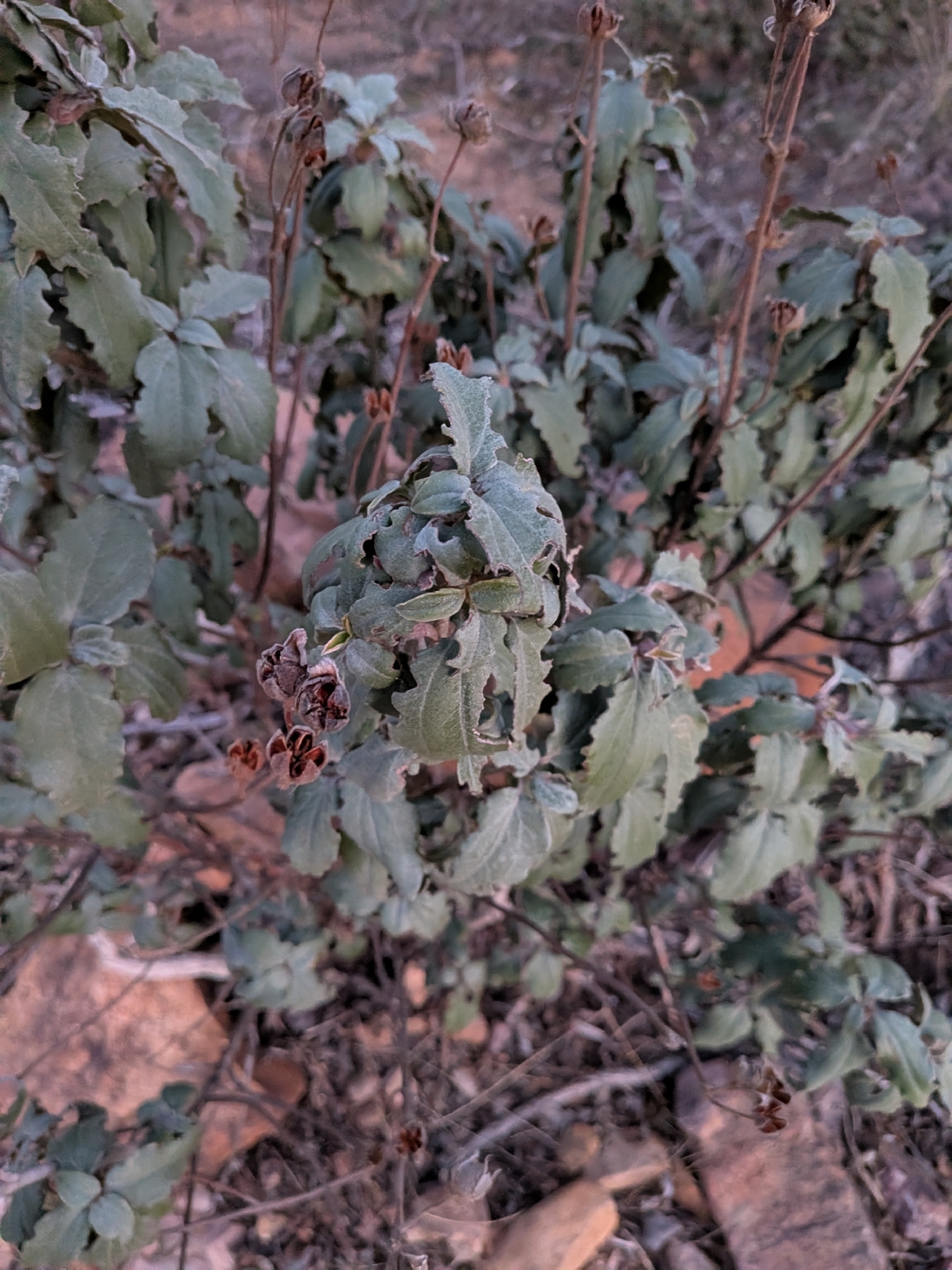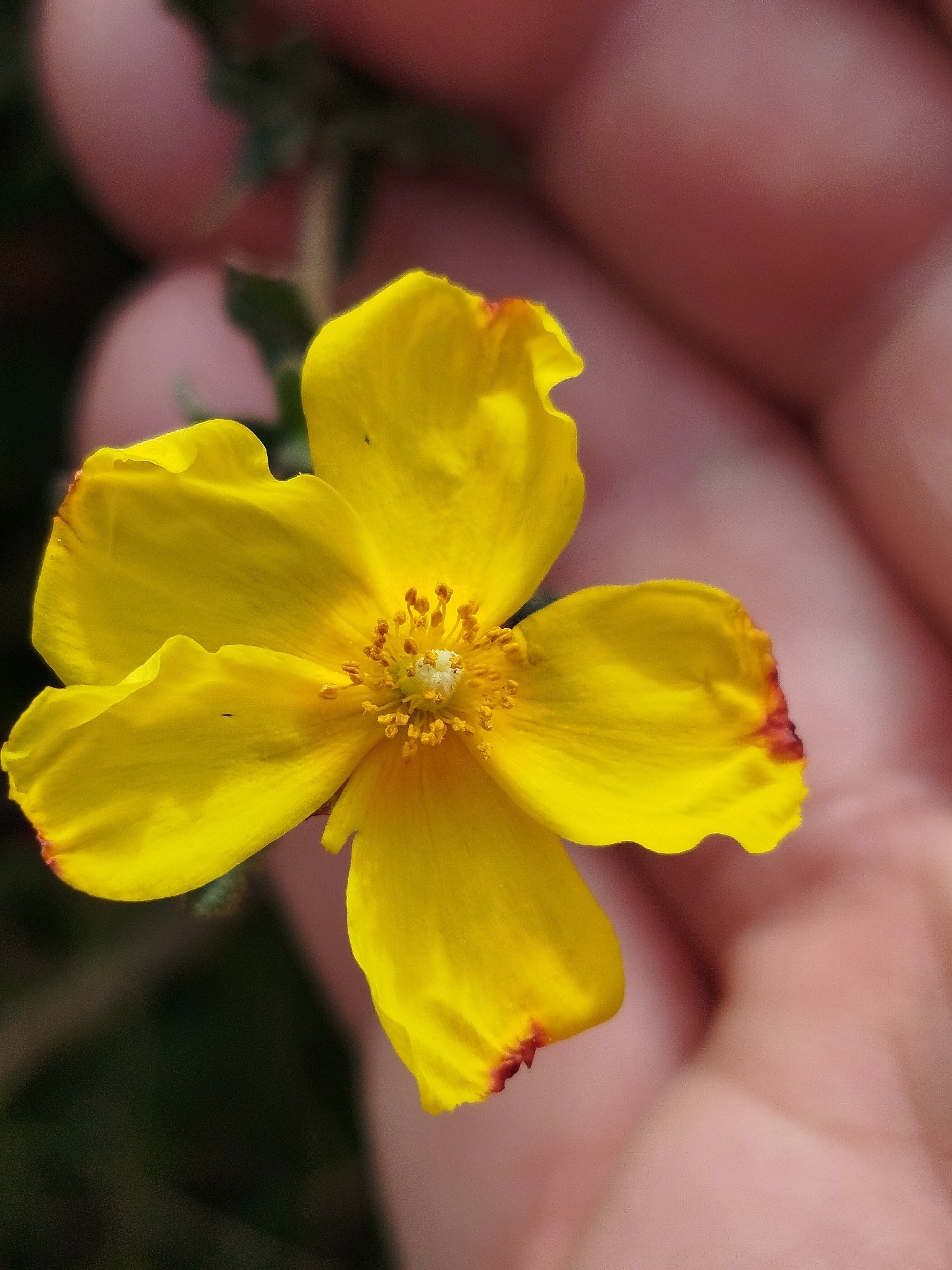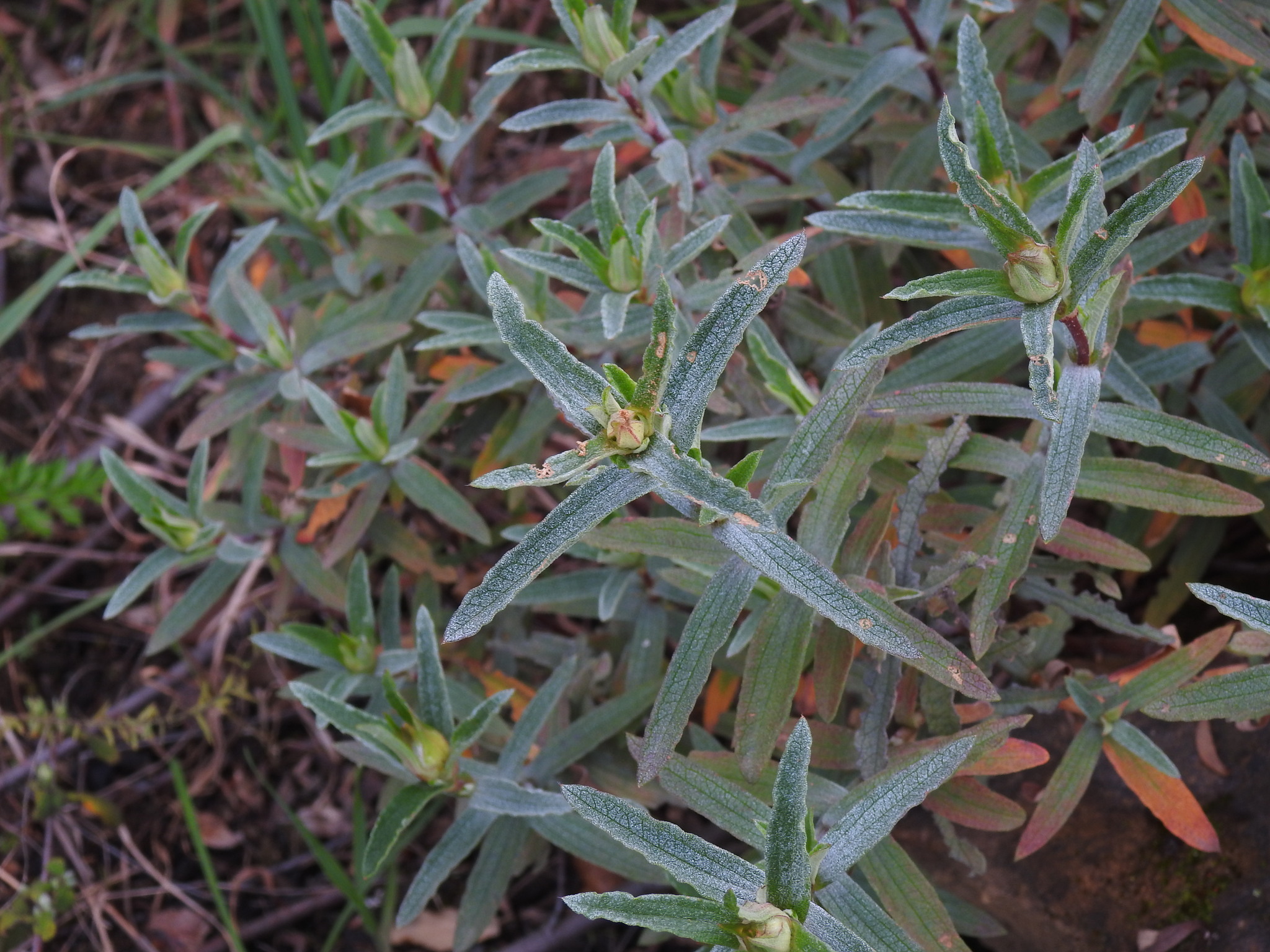
Grey-Leaved Cistus (Cistus albidus)

Grey-leaved Cistus (Cistus albidus) is a Mediterranean shrub with attractive grey foliage and large, papery pink flowers, blooming in late spring.

Above information is sourced from Wikipedia

Sunlight

Full Sun

Watering

Drought Tolerant

Soil

Well-drained, sandy, loamy, chalky

Temperature

Mild to Warm

Fertilizer

Low Feed

Care Requirements

Light

Full Sun

Prefers full sun exposure for best flowering and compact growth. Tolerates partial shade but may become leggy.

Watering

Drought Tolerant

Allow soil to dry out completely between waterings. Reduce watering significantly once established.

Soil

Well-drained, sandy, loamy, chalky

Temperature

Mild to Warm

Prefers mild to warm temperatures. Can tolerate some frost once established but may suffer damage in prolonged, harsh winters.

Fertilizer

Low Feed

Requires minimal fertilization. A light feeding in spring is sufficient if needed. Avoid high-nitrogen fertilizers.

Plant Overview

Plant Type

Shrub

Plant Category

Ornamental

Plant Place Type

Garden, Pot

Lifespan

Perennial

Plant Height

0.5-1.5 m

Spread

1-2 m

Growth Rate

Moderate

Dormancy

Evergreen

Leaf Color

Grey, Green

Leaf Type

Simple

Flower Size

5-7 cm

Optimal Sunlight Lux

60000

Image Gallery

Flowering & Fruiting Cycles

Monthly activity intensity for bloom and fruit across both hemispheres.

Northern hemisphere

Flowering & fruiting calendar

Peak bloom · MayPeak fruit · Jul
FloweringFruiting
02468JanFebMarAprMayJunJulAugSepOctNovDecActivity intensityMonths98
Southern hemisphere

Flowering & fruiting calendar

Peak bloom · SepPeak fruit · Oct
FloweringFruiting
02468JanFebMarAprMayJunJulAugSepOctNovDecActivity intensityMonths98
Synonyms
Cistus albereensis Gaut. ex Rouy & Foucaud
Taxonomy
  • kingdomPlantae
  • divisionTracheophyta
  • classMagnoliopsida
  • orderMalvales
  • familyCistaceae
  • genusCistus
  • speciesCistus albidus
Toxicity

Toxic for humans

No

Rating: 0/5

Toxic for pets

No

Rating: 0/5

Edible

No

Generally considered non-toxic to humans and pets.

Additional Care Tips

Water moderately when young to establish. Once mature, Grey-leaved Cistus is highly drought-tolerant. Allow the soil to dry out completely between waterings, especially during summer. Overwatering can lead to root rot, so ensure excellent drainage.

Prune lightly after flowering to maintain shape and encourage bushier growth. Remove any dead, damaged, or crossing branches at any time of year. Avoid hard pruning into old wood, as Cistus albidus may not regrow from it.

Propagation is typically done from seed or semi-hardwood cuttings. Sow seeds in spring and keep moist. Take cuttings in late summer or early autumn, treat with rooting hormone, and plant in well-draining soil in a protected location.

Grey-leaved Cistus generally dislikes being disturbed once established and prefers to be in the ground. If growing in a container, repot only when absolutely necessary, typically every 2-3 years, in spring. Use a gritty, well-draining compost mix.

FAQs

What are the soil requirements for Cistus albidus?

Cistus albidus prefers well-drained soil. It thrives in poor, stony, or sandy soils and dislikes waterlogged conditions.

How much sun does Grey-leaved Cistus need?

This plant requires full sun to thrive and produce abundant blooms. It is very tolerant of hot, dry conditions.

Is Cistus albidus drought tolerant?

Yes, Cistus albidus is highly drought tolerant once established, making it an excellent choice for water-wise gardening.

When does Cistus albidus typically bloom?

The Grey-leaved Cistus usually flowers in late spring to early summer, with large, showy pink blossoms.

Does Cistus albidus require much pruning?

Pruning is generally not essential. Light trimming can be done after flowering to maintain shape, but avoid heavy pruning into old wood.